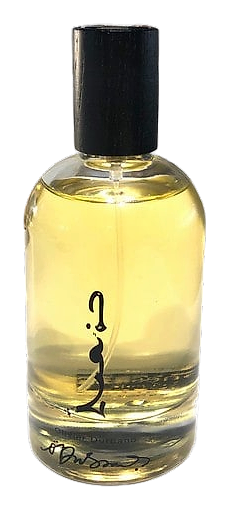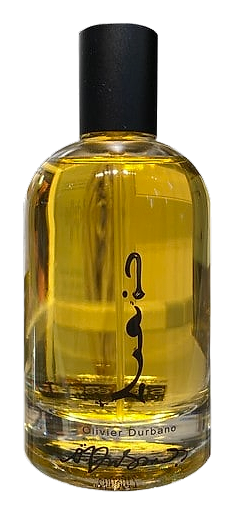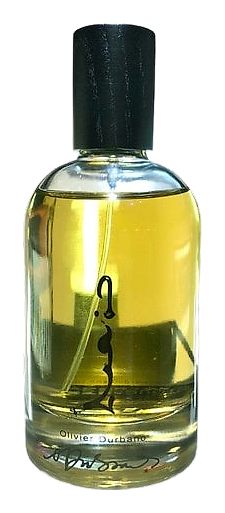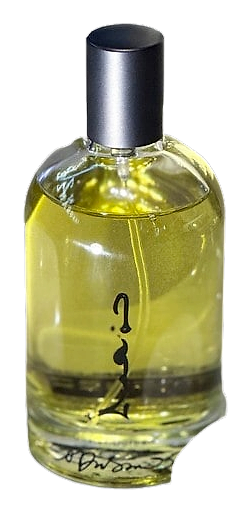

The Story
Why it exists.
The beginning
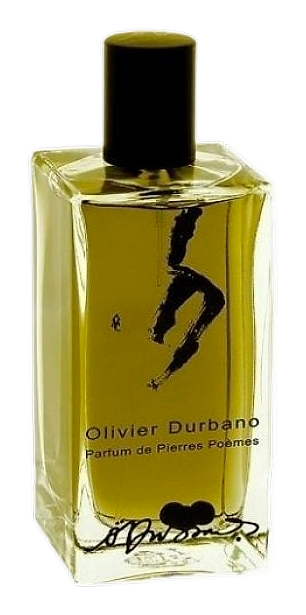
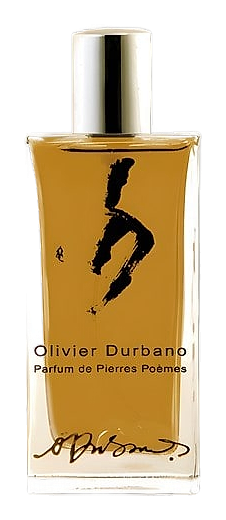
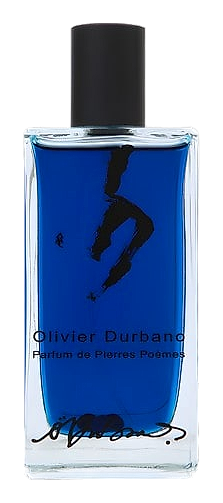
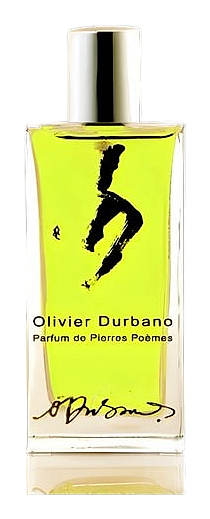
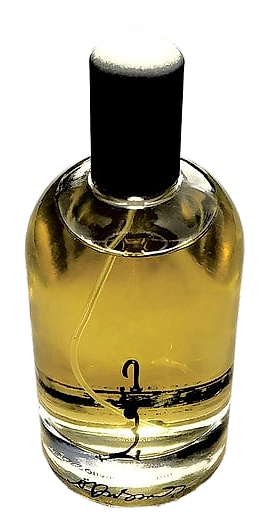
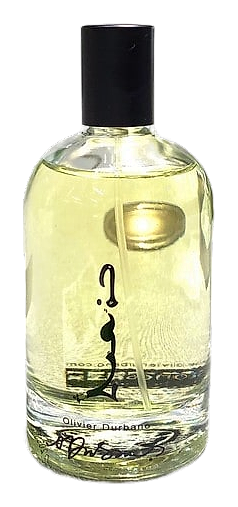
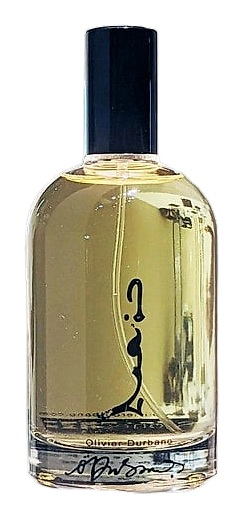
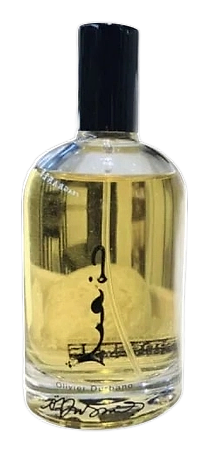
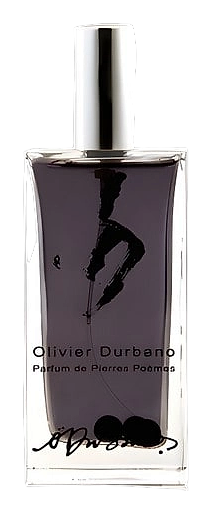
Black Tourmaline is the second chapter in Olivier Durbano's stone-obsessed lexicon, a follow-up to the crystalline transparency of Cristal de Roche that turns toward something darker and more elemental. The stone itself carries weight: in crystal healing traditions, it's the stone of protection, said to shield against negative energy and ground the wearer in moments of transition. Durbano works with that mythology deliberately, treating the mineral not as a mere namesake but as a conceptual anchor. The fragrance opens with an almost aggressive clarity, frankincense smoke and black pepper pricking the air. As it settles, the darkness deepens, revealing smoked wood, leather, and an animal warmth that feels ancient and resolute. He's not naming a scent after a rock.
What makes Black Tourmaline structurally interesting is the way it moves from brightness to density without a clean break. The top accord, frankincense, cardamom, cumin, coriander, arrives with an almost medicinal sharpness, like the first breath of incense in a cold room. But pepper cuts through before you settle into comfort. The heart then does the real work: smoked wood and oud don't wait politely to be invited. They arrive. Leather follows. By the time moss and patchouli anchor the base, the fragrance has taken you somewhere you didn't necessarily choose to go, which is precisely the point of a stone associated with transformation.
The evolution
The opening announces itself with an almost aggressive clarity, frankincense smoke and black pepper that prick the air rather than ease into it. Thirty minutes in, the cardamom and cumin emerge as a middle voice, warm and slightly animal, before the smoked wood overtakes everything. The leather is the turning point: it doesn't smell like a jacket or a car interior. It smells like the idea of leather, the texture of age, the memory of something that was once alive. This dense, unapologetic phase defines the fragrance's character, a moment where the composition feels heavy and deliberate. The drydown doesn't soften so much as settle: moss and patchouli arrive late, earthy and dry, with amber and musk holding everything together like sediment at the bottom of a river.
Cultural impact
Black Tourmaline occupies a specific corner of niche perfumery: it's for the wearer who wants smoke and resin without the sweetness that often accompanies those notes. The fragrance stays resolutely dry, avoiding the syrupy tendencies of heavier Orientals in favour of something more austere. Community ratings indicate strong longevity, suggesting the scent attracts people who appreciate a composition that demands commitment rather than offering casual appeal. It's the kind of fragrance that appears in conversations about oud and smoked wood, positioned alongside harder-hitting niche compositions.
The House
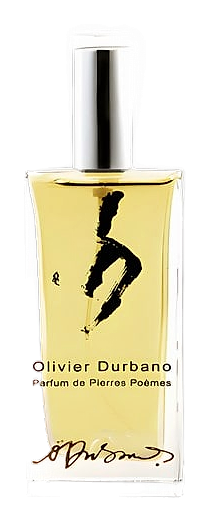
Olivier DurbanoOlivier Durbano translates the language of semi‑precious stones into scent. The Paris‑based designer launched his first perfume, Cristal de Roche, in 2005 and has since built a modest catalogue that references minerals such as black tourmaline, pink quartz and amethyst. Each fragrance unfolds like a quiet meditation on colour, texture and memory, offering collectors a tactile link between jewellery and perfume.
The Creator
Olivier DurbanoOlivier Durbano builds his scents like an architect builds a façade. He starts with a mineral accord—often a fine powder of crushed quartz or a trace of volcanic ash—then layers natural absolutes such as Bulgarian rose, Sicilian bergamot, and Indian sandalwood.