    Brand Profile

    Olivier Durbano translates the language of semi‑precious stones into scent. The Paris‑based designer launched his first perfume, Cristal de…More

    France·Est. 2004·Site

    2

    Fragrances

    3.3

    Rating

    Just Landed

    New Arrivals

    The latest additions to the Olivier Durbano collection.

    21
    Heliotrope by Olivier Durbano – Eau de Parfum
    3.9

    Heliotrope

    Eau de Parfum

    La Pierre De l'Eau Jaillissante by Olivier Durbano
    2.7

    La Pierre De l'Eau Jaillissante

    Cristal de Roche (Rock Crystal) by Olivier Durbano
    Best Seller
    4.3

    Cristal de Roche (Rock Crystal)

    Black Tourmaline by Olivier Durbano
    Best Seller
    4.2

    Black Tourmaline

    Aram by Olivier Durbano
    Best Seller
    4.2

    Aram

    Q.uart.z Quantic 17:8 by Olivier Durbano
    4.2

    Q.uart.z Quantic 17:8

    Pink Quartz by Olivier Durbano
    4.1

    Pink Quartz

    Chrysolithe by Olivier Durbano
    4.0

    Chrysolithe

    Lapis Philosophorum by Olivier Durbano
    3.9

    Lapis Philosophorum

    Amethyst by Olivier Durbano
    3.9

    Amethyst

    Citrine by Olivier Durbano
    3.8

    Citrine

    Jade by Olivier Durbano
    3.8

    Jade

    1 of 2

    The Heritage

    The Story of Olivier Durbano

    Olivier Durbano translates the language of semi‑precious stones into scent. The Paris‑based designer launched his first perfume, Cristal de Roche, in 2005 and has since built a modest catalogue that references minerals such as black tourmaline, pink quartz and amethyst. Each fragrance unfolds like a quiet meditation on colour, texture and memory, offering collectors a tactile link between jewellery and perfume.

    Heritage

    Olivier Durbano began his career as an architect before turning to jewellery design in the early 2000s. Trained in Paris, he quickly earned a reputation for setting semi‑precious stones in sleek, modern settings. In 2004 he announced an experimental side project: a line of niche perfumes that would echo the visual qualities of his stones. The debut scent, Cristal de Roche (Rock Crystal), arrived in 2005 and was praised for its clear, mineral‑driven opening that recalled the translucence of quartz. Two years later he released Black Tourmaline, a darker composition that paired smoky woods with a subtle metallic edge, reinforcing his commitment to stone‑inspired storytelling. Between 2006 and 2015 he expanded the range with Amethyst, Pink Quartz, Citrine, Heliotrope, Lapis Philosophorum and Chrysolithe, each named after a specific gem and designed to capture its hue and perceived energy. By 2020 the brand introduced Aram, a fragrance that blended warm resins with a soft amber glow, followed in 2021 by Q.uart.z Quantic 17:8, a more experimental scent that explored the intersection of geometry and aroma. Throughout this period Durbano kept production small, favouring boutique distribution and direct dialogue with collectors. The brand’s evolution reflects a steady dialogue between material culture and olfactory art, anchored in the founder’s architectural sensibility and his belief that scent can act as a silent ornament.

    Craftsmanship

    Production takes place in small batches within France, using traditional French perfumery techniques. Durbano sources natural essential oils and absolutes from established suppliers in Grasse, Madagascar and the United States, then blends them under controlled temperature to preserve volatile top notes. The mineral inspiration does not involve actual stone extracts; instead the team studies the stone's colour palette and perceived texture to choose complementary aromatic families. For example, the pink quartz line pairs soft florals with a powdery musk that mirrors the stone's gentle blush. Quality control includes a sensory panel that evaluates each batch against a reference sample kept in a climate‑controlled vault. The bottles are hand‑filled, sealed with a screw cap, and inspected for visual consistency. Durbano’s background in architecture informs the spatial arrangement of the fragrance within the bottle, ensuring that the scent unfolds in a measured, layered progression that mirrors the way light moves across a cut gem. The brand limits annual production runs, which helps maintain concentration of raw materials and reduces the need for large‑scale storage.

    Design Language

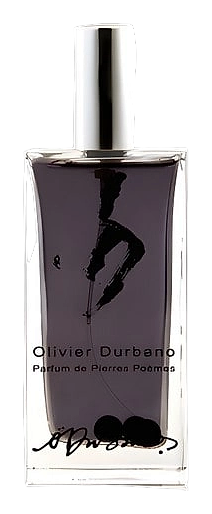
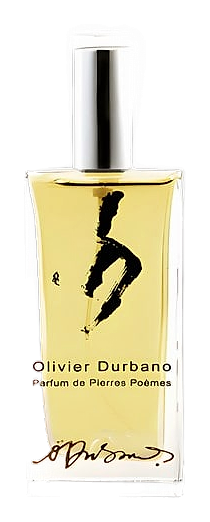
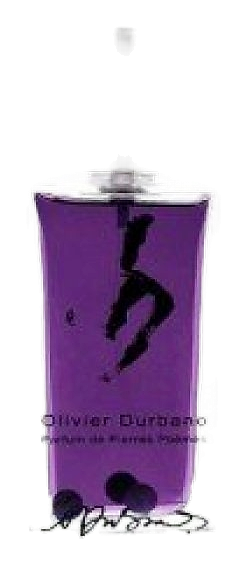
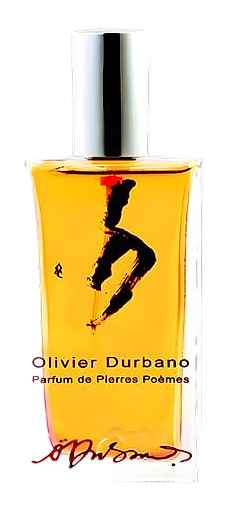
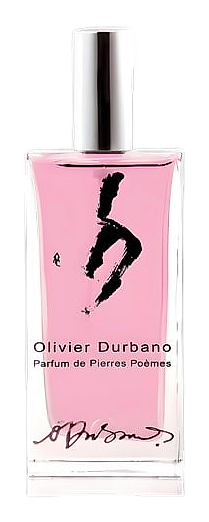
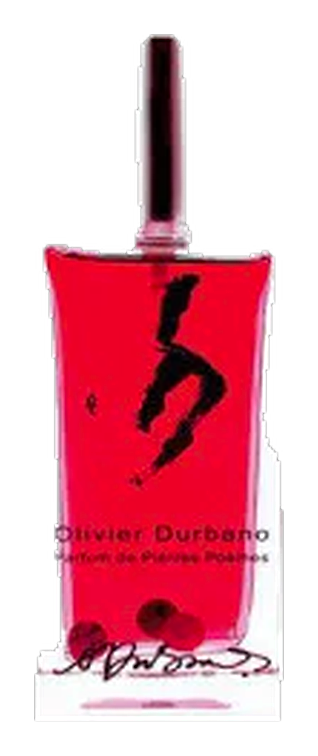
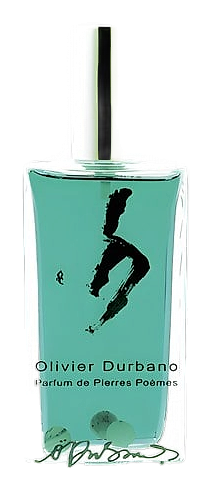
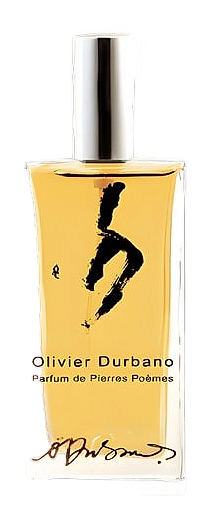
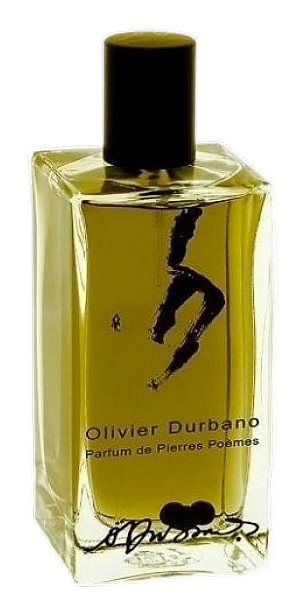
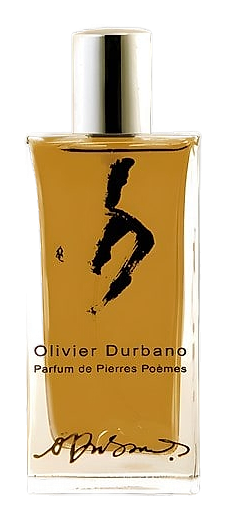
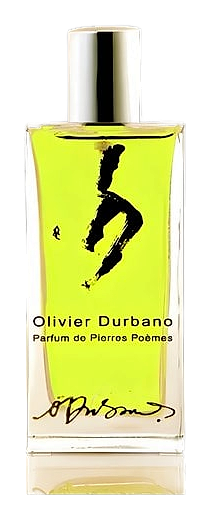
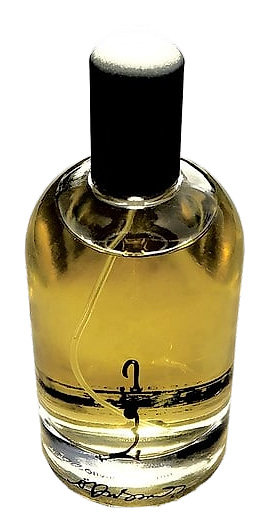
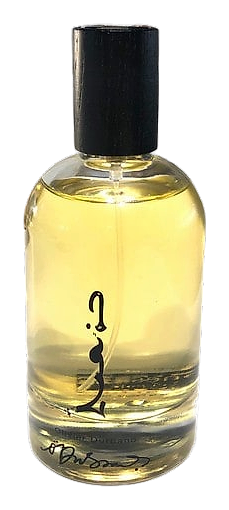
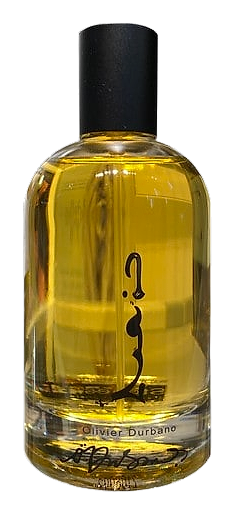
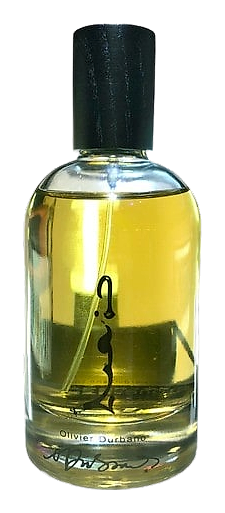
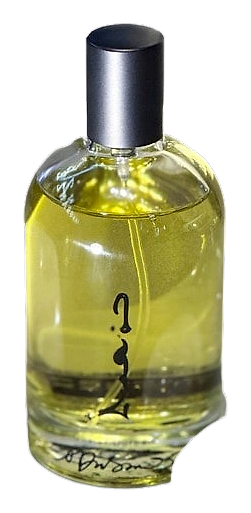
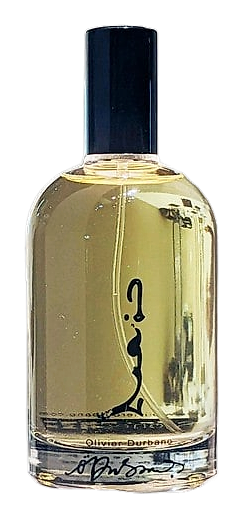
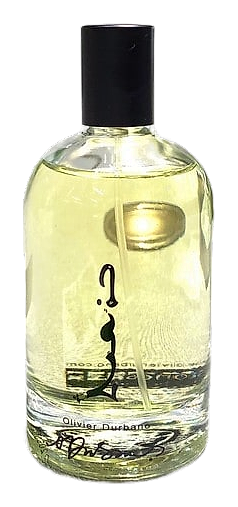
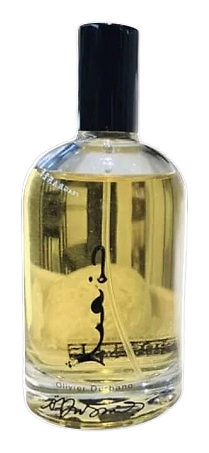
    Visual identity draws directly from the geometry of gemstones. Bottles feature clean, rectangular silhouettes with subtle bevels that catch light much like a polished facet. Labels are minimal, using a thin sans‑serif typeface and a muted background that echoes the stone's colour rather than overwhelming it. The packaging often includes a small vellum card that describes the stone's history and its aromatic translation, reinforcing the educational aspect of the brand. Colour palettes stay true to the mineral theme: deep black for tourmaline, soft pink for quartz, rich violet for amethyst, and muted teal for lapis. The overall image is understated yet purposeful, appealing to collectors who appreciate design as much as scent. Marketing materials avoid flamboyant language, instead presenting each release as a quiet invitation to explore a specific mineral memory.

    Philosophy

    The house frames perfume as an extension of jewellery, a philosophy Olivier Durbano describes as "the way of stones". He treats each mineral as a character with a colour, weight and vibration, then translates those attributes into notes that can be worn. The brand avoids broad claims of innovation; instead it focuses on clarity, balance and a quiet reverence for the source material. Durbano selects stones that hold cultural or metaphysical associations and lets those stories guide the scent structure. He works with perfumers who respect the brief, encouraging them to build around a single mineral motif rather than layering unrelated accords. Sustainability appears in the choice of responsibly sourced raw materials and in the limited‑edition nature of each release, which reduces waste and encourages mindful consumption. The brand also values transparency, providing collectors with information about the stone that inspired each perfume and the key ingredients that support its character.

    Key Milestones

    2004

    Olivier Durbano announces a perfume project inspired by semi‑precious stones

    2005

    Launch of Cristal de Roche (Rock Crystal), the brand's first fragrance

    2007

    Release of Black Tourmaline, expanding the stone‑themed line

    2015

    Introduction of Chrysolithe, marking the eighth fragrance in the collection

    2020

    Debut of Aram, a warm resin‑based scent that broadens the palette

    2021

    Launch of Q.uart.z Quantic 17:8, a composition that experiments with geometric concepts

    At a Glance

    Brand profile snapshot

    Origin

    France

    Founded

    2004

    Heritage

    22

    Years active

    Collection

    2

    Fragrances released

    Avg Rating

    3.3

    Community sentiment

    Release Rhythm

    2025
    1
    2024
    1
    2023
    1
    2022
    1
    2021
    1
    2020
    1
    2019
    1
    2018
    1
    olivier-durbano.com

    Did You Know?

    Interesting Facts

    Distinctive details and defining moments that shape the house personality.

    01

    The founder trained as an architect before becoming a jeweller and perfumer.

    02

    Each fragrance is named after a specific mineral and aims to capture that stone's perceived energy.

    03

    Bottles are designed with subtle bevels that mimic the facets of a cut gem.

    04

    The brand limits annual production runs to maintain ingredient concentration and reduce waste.