
The Story
Why it exists.
The beginning
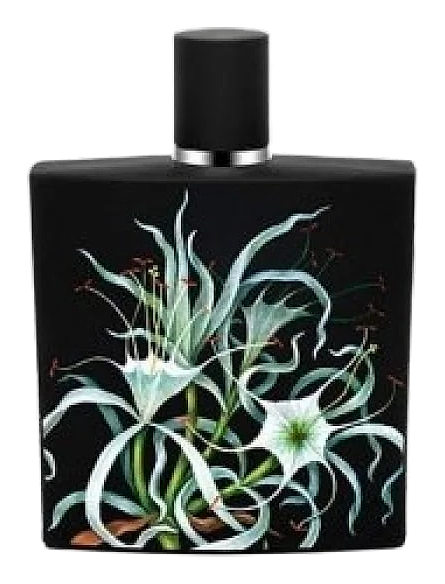
Amazon Lily arrived in 2012. The lily in the name is more mood than botanical reference, a ghost in the structure rather than the thing itself. What leads is citrus: bergamot, lime, tangerine at the top, sharp enough to read outdoors. The bergamot brings a rounded, almost candied warmth, while the lime slices through with a brightness that feels closer to rind than juice. Tangerine softens the edges between them, adding a juicy sweetness that keeps the opening from feeling austere. It's a scent built for someone who wants freshness without the green-apple shower gel association. Simple, deliberate, almost architectural in its restraint. The citrus trio settles quickly but doesn't vanish, leaving a faint pithy echo that bridges into the heart.
The heart of Amazon Lily treats florals with a kind of editorial restraint. The lily reads as cool and aqueous, more impressionistic than literal, never tipping into the dense, humid sweetness that heavier white florals tend to bring. Instead, white musk and driftwood anchor the composition, giving it a clean, slightly saline structure that feels open and ventilated. The musk provides a soft, skin-like transparency without ever turning soapy or powdery, while the driftwood adds a pale, almost sun-bleached grain underneath.
The evolution
The first ten minutes are all citrus snap. Bergamot and tangerine give it roundness while lime cuts through with a sharp, almost mineral edge, the kind of brightness that actually lifts off skin rather than sitting on it. The bergamot has a faintly bitter rind quality, the tangerine leans sweeter and more diffuse, and the lime threads between them with a clean acidity that keeps the opening from collapsing into fruit salad. Around the thirty-minute mark, the lily surfaces, but barely. It arrives as a cool, watery impression, more the idea of a flower than the smell of one, supported by a faint green wetness that reads more like morning air than any specific botanical. There's something almost metallic in the coolness, a clean ozonic feel that keeps the floral from ever feeling pretty in a conventional way.
Cultural impact
Amazon Lily arrived in 2012, and its pale citrus-to-woods structure gave it an immediate utility that suited the era's shifting preferences toward cleaner, more restrained compositions. The fragrance reads as light without feeling disposable, professional without skewing severe, and warm-weather friendly without resorting to the usual aquatic tropes that dominate the season. It's the kind of scent that slots easily into a workweek rotation, close-projecting and unobtrusive in open offices or shared transit.