The Story
Why it exists.
The beginning
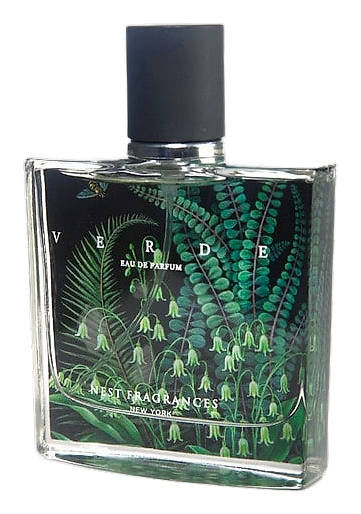
Verde, green in Italian and Spanish, a mandate rather than a description. The idea: build a fragrance around what green actually smells like, not just green-sounding notes. Fern, vetiver, and verbena compose the core trio, each contributing a distinct facet of botanical green. Fern adds a crisp, living-plant quality that reads as both fresh and grounded. Vetiver brings an earthy, slightly smoky undertone that grounds the composition. Verbena lifts with its citrus-adjacent herbal brightness, creating movement in the top layers. Himalayan cedar anchors the base, adding dry woodiness that evolves over hours. The result is green first, unisex by design, the kind of presence that announces itself without shouting, lingering long after the initial impression fades into memory.
Verde represents a deliberate choice by perfumer Jérôme Epinette to work with materials that define green in its truest form. Fern and vetiver sit at the heart of this construction, two ingredients that most modern perfumers handle cautiously, too distinctive, too particular in their character. When Epinette positioned these botanical materials at the center of Verde's architecture, the decision communicated intent. This was not a fragrance built to appeal universally without reservation. The verbena element adds a complicating layer.
The evolution
The opening establishes itself immediately through the fern and verbena combination, creating a crisp botanical jolt that announces presence without apology. The vetiver arrives shortly after, bringing its characteristic earthy depth alongside the bright verbena, softening the initial sharpness into something more textured and alive. Within the first hour, the sharp edges begin their natural evolution. The fern asserts itself more fully alongside the vetiver, the composition rounding into something more cohesive, the green deepening rather than disappearing, becoming shadow rather than pure signal. By the late drydown, the Himalayan cedar becomes dominant. The fern and vetiver have faded to their essential character, leaving only the dry, woody persistence of the cedar base.
Cultural impact
Verde occupies an interesting position in the fragrance landscape. Wearers describe it as a sophisticated green character, the kind of presence that arrives with quiet confidence. The green-to-woody arc, built from fern, vetiver, verbena, and Himalayan cedar, gives it an earthy, complex quality that stands apart from brighter, more linear green compositions. Community reception reflects the polarized nature of any distinctive fragrance: either the botanical character appeals or it doesn't, but consensus on the drydown tends toward appreciation for its staying power and depth.