The Story
Why it exists.
The beginning
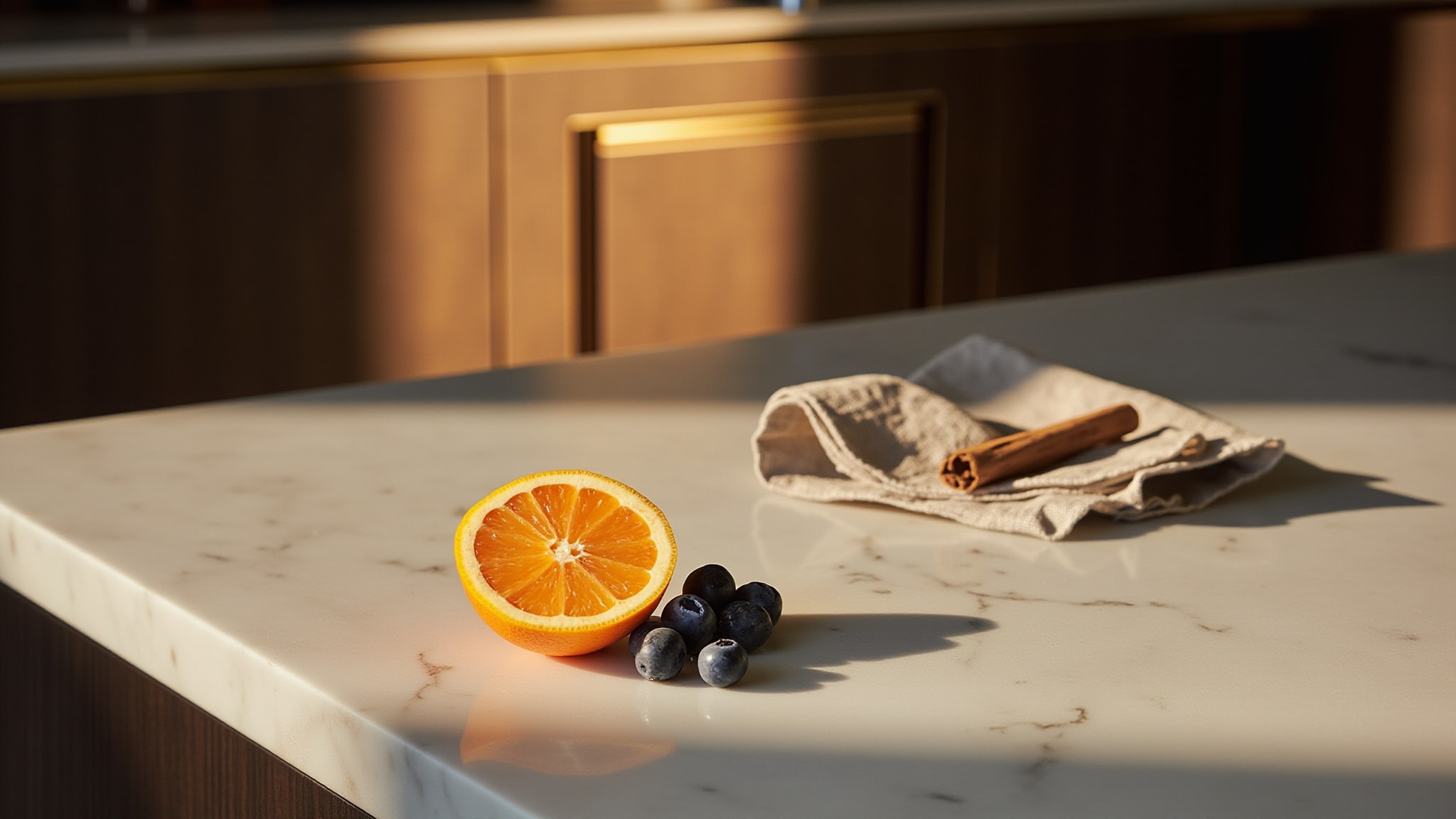
MI opens with a bright phrase of orange, lemon and bergamot, lifted by the rounded sweetness of blueberry. The citrus has a clean, sparkling freshness, while the fruit adds a soft, juicy quality that keeps the introduction lively rather than sharp. As the opening settles, the heart develops through rose and saffron, joined by cumin, anise, cinnamon, daisy and ylang-ylang. The floral notes give the composition a graceful center, while the warmer spice elements add texture and depth. In the closing notes, oud and sandalwood create a smooth woody foundation, enriched by amber, patchouli, caramel, tonka bean and musk. The result is a fragrance that moves from brightness to warmth with a clear sense of continuity between its different note families.
What makes MI worth paying attention to is the handoff between families that usually stay apart. Citrus and berry give it lift, but the heart brings in cumin and anise, which push the composition toward something spicier and more textured than a typical bright floral. Then the base lands with oud, patchouli and caramel, adding depth and a softly resinous quality that lingers close to the skin. The house's own description frames it as a fine floral, with neroli, jasmine and rose at the front, softening into sweet osmanthus, tuberose and amber, with earthy cedar and white musk at the base.
The evolution
The first minutes are the loudest part, a sparkling mix of orange, lemon and bergamot with the rounded sweetness of blueberry, bright enough to feel like cold air on skin. As that fades, the heart opens up: rose softens the citrus, while saffron, cumin and anise bring a dry, gently aromatic warmth that the floral notes keep from becoming sugary. The combination develops a textured middle, with the fruit-like opening giving way to the softer florals and the more distinctive spice notes. Cinnamon adds another layer of warmth within the heart. Then the composition settles into its slowest, densest phase. Oud and sandalwood bring smooth wood, patchouli brings damp earth, and amber, caramel and tonka bean add a low sweetness that clings. Musk and cedar stay close to the skin.
Cultural impact
MI wears like a record you'd put on without thinking about the order. The bright citrus and berry opening suits the listener who notices structure in music and structure in perfume alike, while the oud and patchouli base keeps the floral from reading as decorative. As the fragrance develops, the opening fruit and citrus give way to a more textured heart of florals, cumin and anise, then settle into a warm base of woods, sweetness and musk. Its appeal comes from this changing character, offering a fragrance that can feel fresh, spicy and softly wooded as the day moves around it.
The House
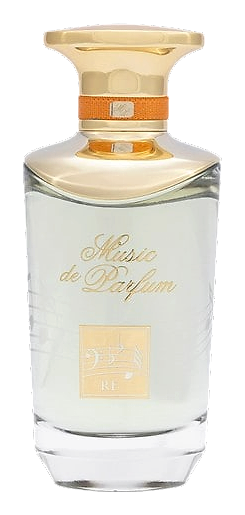
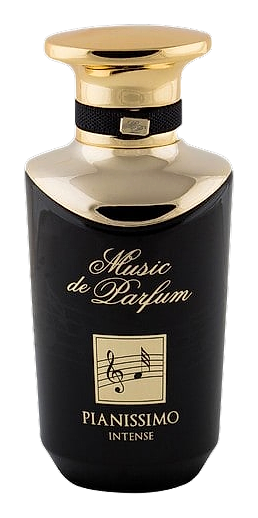
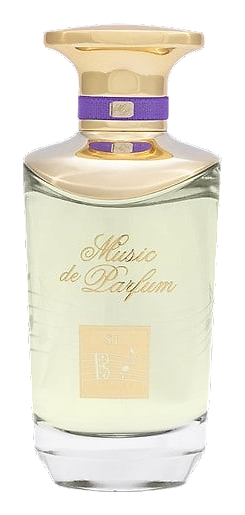
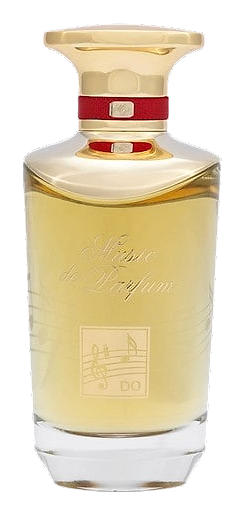
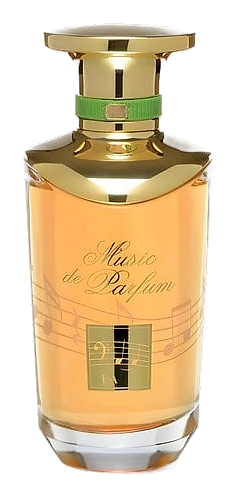
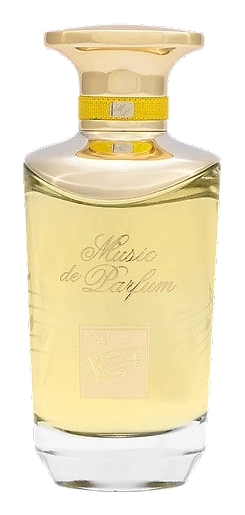
Music de ParfumMusic De Parfum is a niche French fragrance house built on the conviction that perfume and music share the same creative grammar. The house structures its collection around musical notation, with each fragrance named after a note in the solfège scale: DO, RE, MI, SI, SOL. This systematic approach extends beyond nomenclature into the very composition of each scent, where accords function like musical phrases, building and resolving in deliberate sequences. Christian Provenzano, the house's founder and perfumer, approaches fragrance creation as a compositional act, translating olfactory materials into something that unfolds across time on the skin. The house has released multiple iterations of its core compositions, including Pianissimo (2016) and its 2022 eau de parfum counterpart, along with orchestral pairings like Sinfonia and Concerto, both released in 2022. Based in France, the house occupies a distinctive position in the niche fragrance landscape by treating its musical framework not as mere branding but as an organizational principle for how it conceptualizes and constructs scent.
The Creator
Christian ProvenzanoFrom the fragrances attributed to him, a penchant for rich, opulent compositions emerges. He's likely drawn to warm, sensual notes like amber, musk, and vanilla, often paired with exotic spices and precious woods.