

The Story
Why it exists.
The beginning
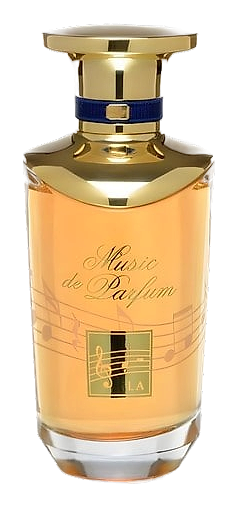
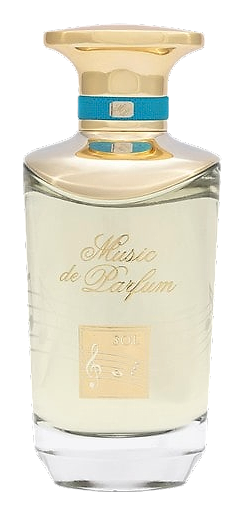
Sol opens with the polished depth of agarwood, its woody character grounded by Gurjan balsam. A resinous, slightly medicinal texture gives the composition a composed presence rather than a rough edge. As the opening settles, jasmine and rose introduce a smooth, powdery floral radiance. Patchouli adds an earthy countermovement, while sandalwood and vetiver lend the heart weight, texture, and a steady woody center. Amber, musk, and vanilla gather at the base, giving Sol a full-bodied character that feels warm and rounded without becoming heavy. The fragrance wears in layers: woods and balsams first, soft florals through the middle, and a gentle sweetness close to the skin. Sol is delicate in manner, but never thin.
The striking part of Sol is the handoff between materials that don't usually share the same emotional register. Oud and Gurjan balsam bring resinous depth; jasmine and rose soften that architecture with light, polished florals. Patchouli then adds an earthy edge, keeping the composition from drifting toward overt sweetness. Sandalwood smooths the transition into the base, where amber and vanilla add warmth while musk softens the edges. The result isn't a simple woody floral. It's a deliberate tension between radiance and density, made legible through the note arrangement.
The evolution
Sol begins with a dark, woody edge. Agarwood gives the opening a polished depth, and Gurjan balsam adds a resinous, slightly medicinal texture that feels composed rather than rough. As those materials recede, jasmine and rose come forward with a smooth, powdery floral light. Their softness tempers the darker opening without erasing its depth. Patchouli introduces an earthy countermovement, while sandalwood and vetiver give the middle a composed, woody center. As the fragrance wears on, the floral facets gradually settle into the surrounding woods, and the composition takes on a warmer, more enveloping character. The drydown gathers amber and vanilla around musk, leaving a soft trail of skin, wood, and gentle sweetness. The lasting impression is measured rather than loud, with a clear structure that stays present without taking over the room.
Cultural impact
Sol is defined less by a single statement than by the way its materials relate to one another. Resinous woods meet powdery florals, while patchouli and vetiver deepen the space between them. Amber, musk, and vanilla settle the composition into a warm base, making it inviting to explore note by note. For wearers who notice the structure beneath a fragrance, Sol offers a balanced character built around texture, contrast, and gradual reveal.
The House
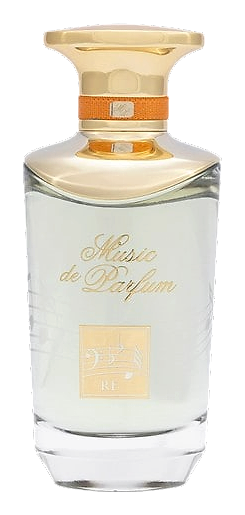
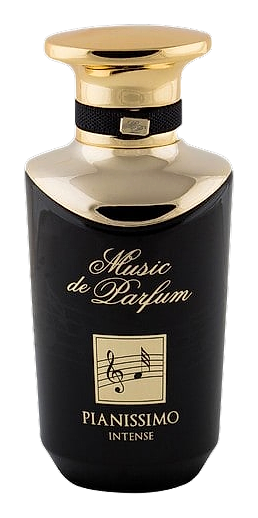
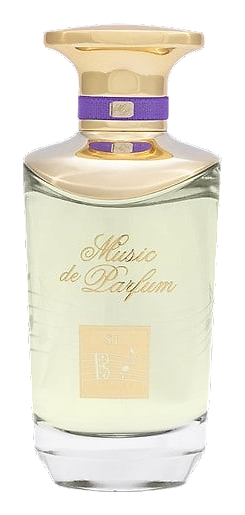
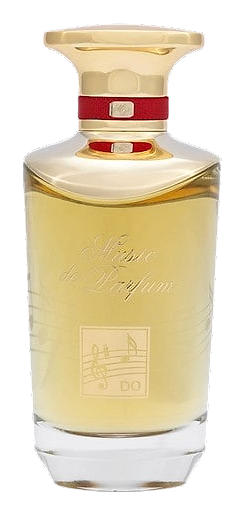
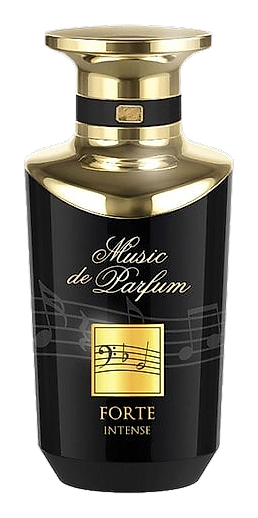
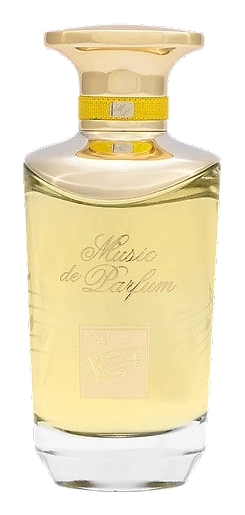
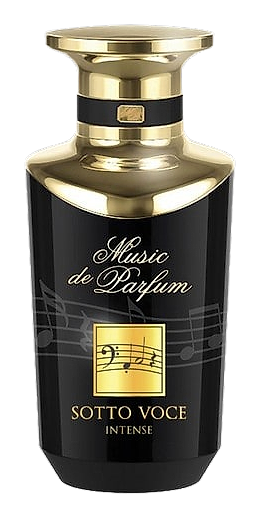
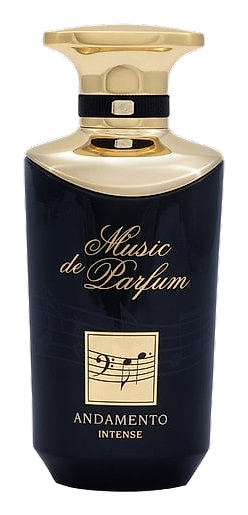
Music de ParfumMusic De Parfum is a niche French fragrance house built on the conviction that perfume and music share the same creative grammar. The house structures its collection around musical notation, with each fragrance named after a note in the solfège scale: DO, RE, MI, SI, SOL. This systematic approach extends beyond nomenclature into the very composition of each scent, where accords function like musical phrases, building and resolving in deliberate sequences. Christian Provenzano, the house's founder and perfumer, approaches fragrance creation as a compositional act, translating olfactory materials into something that unfolds across time on the skin. The house has released multiple iterations of its core compositions, including Pianissimo (2016) and its 2022 eau de parfum counterpart, along with orchestral pairings like Sinfonia and Concerto, both released in 2022. Based in France, the house occupies a distinctive position in the niche fragrance landscape by treating its musical framework not as mere branding but as an organizational principle for how it conceptualizes and constructs scent.
The Creator
Christian ProvenzanoFrom the fragrances attributed to him, a penchant for rich, opulent compositions emerges. He's likely drawn to warm, sensual notes like amber, musk, and vanilla, often paired with exotic spices and precious woods.