
The Story
Why it exists.
The beginning
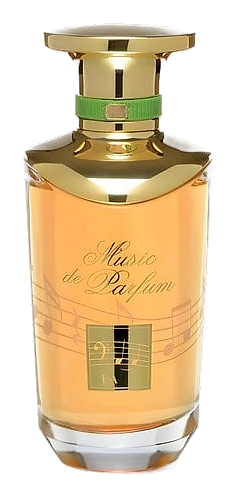
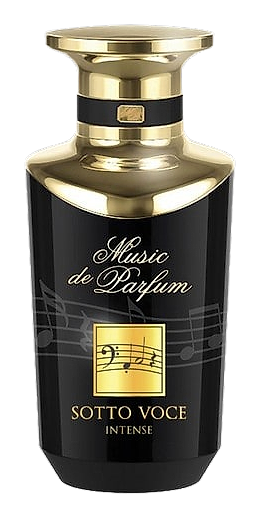
Sotto Voce opens with fruit that demands attention, then spends the rest of its arc pulling back, hiding in the register between sweetness and leather, asking the wearer to lean in rather than project outward. The name itself comes from the musical instruction to play quietly, to let the instrument speak without raising the volume. de France took that directive seriously in the bottle design and the olfactory composition alike, building a scent around restraint and implication from the outset. Blackcurrant and pineapple lead with bright tropical sweetness, lemon and orange brightening the edges, and the whole thing announces itself with the kind of confidence that suggests it's not going to shout. Then it does the opposite.
What makes Sotto Voce structurally interesting is how it balances opposing forces without choosing a side. Blackcurrant and pineapple at the opening carry bright tropical sweetness, each note amplifying the other's juiciness rather than competing for attention. Lemon and orange sharpen the top, adding a citric zest that makes the fruit read brighter and more lifted than it would alone. Leather, vetiver, and patchouli in the base counter that brightness with something grounded and slightly raw, a rougher texture beneath the polished surface.
The evolution
The first ten minutes belong to the fruit. Blackcurrant leads, tart and almost jammy, with pineapple underneath adding something that reads more like canned-than-fresh sweetness. Lemon and orange brighten the edges, pulling the whole top into something sharper and more lifted. It smells, briefly, like a cocktail with an umbrella in it, all bright and sweet and a little bit playful. Then the iris arrives. That's the turn. The fruit doesn't vanish, but it retreats into the background, and iris takes over with its powdery, root-beer-adjacent quality, cooler and drier than what came before. Jasmine shows up quietly in the middle stretch, adding a soapy warmth without becoming heady or overwhelming. An hour in, the composition has settled into something that smells more like suede than sugar.
Cultural impact
Sotto Voce reads as a composition built for wearers who want something with presence but not volume, something intentional rather than trendy. The fruit on top gives it an accessible, contemporary sweetness that keeps it from feeling dated or overly classical, while the leather and patchouli in the base ground it in something with more weight and texture. It manages to feel fruity enough to wear without thinking and leathery enough to reward closer attention.
The House
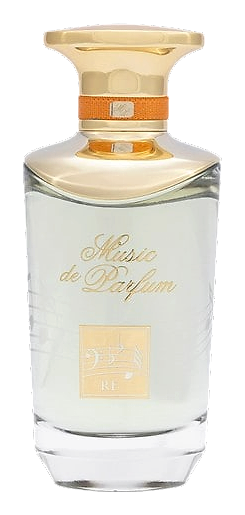
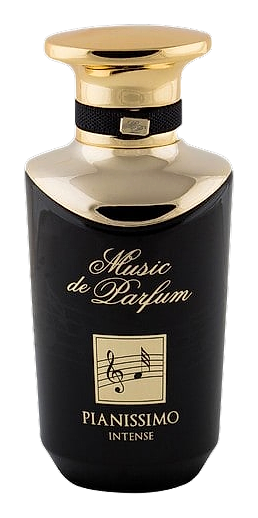
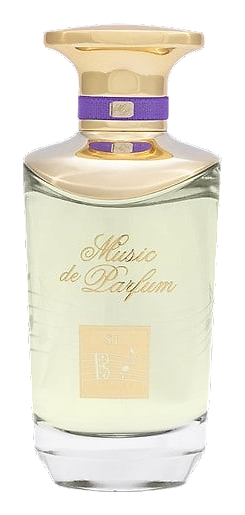
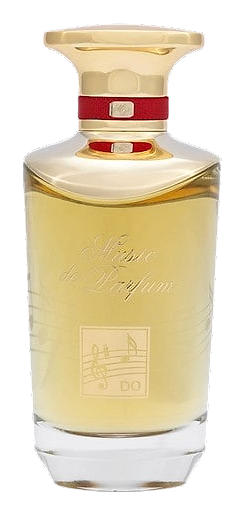
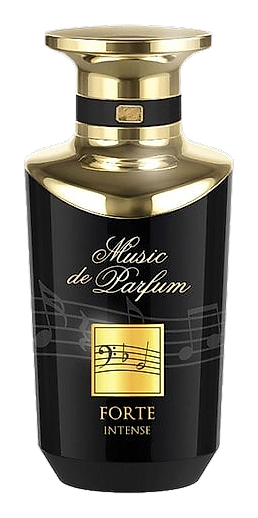
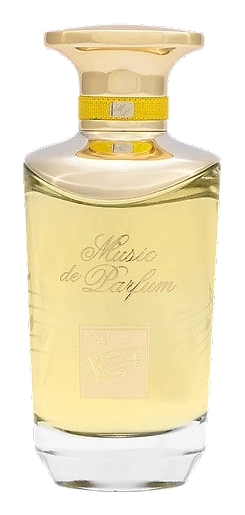
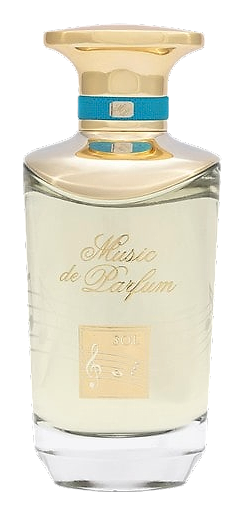
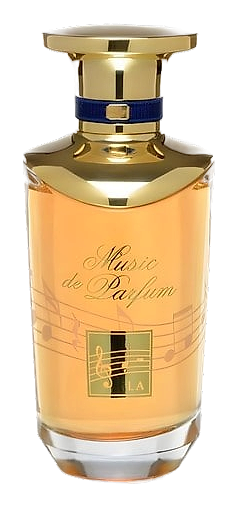
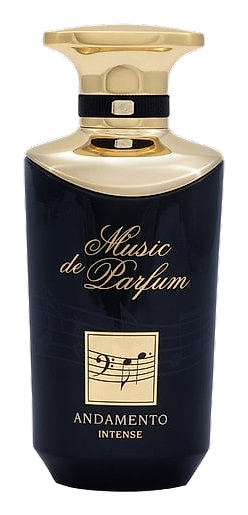
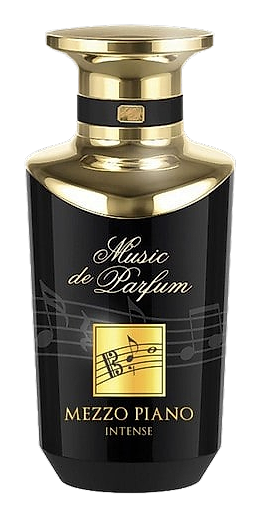
Music de ParfumMusic De Parfum is a niche French fragrance house built on the conviction that perfume and music share the same creative grammar. The house structures its collection around musical notation, with each fragrance named after a note in the solfège scale: DO, RE, MI, SI, SOL. This systematic approach extends beyond nomenclature into the very composition of each scent, where accords function like musical phrases, building and resolving in deliberate sequences. Christian Provenzano, the house's founder and perfumer, approaches fragrance creation as a compositional act, translating olfactory materials into something that unfolds across time on the skin. The house has released multiple iterations of its core compositions, including Pianissimo (2016) and its 2022 eau de parfum counterpart, along with orchestral pairings like Sinfonia and Concerto, both released in 2022. Based in France, the house occupies a distinctive position in the niche fragrance landscape by treating its musical framework not as mere branding but as an organizational principle for how it conceptualizes and constructs scent.
The Creator
Sylvie de FranceHer signature leans toward the chypre and floral families, with a particular fondness for materials that carry both freshness and depth. Rose de mai, vetiver, iris, and various mosses appear to anchor her work, while citrus accents lift her compositions into something brighter…