The Story
Why it exists.
The beginning
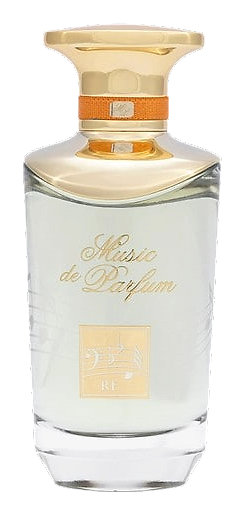
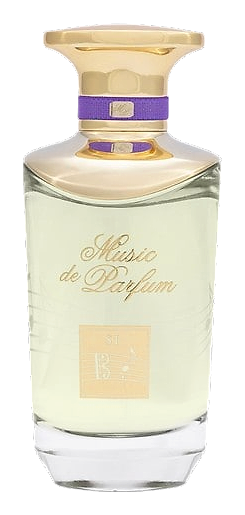
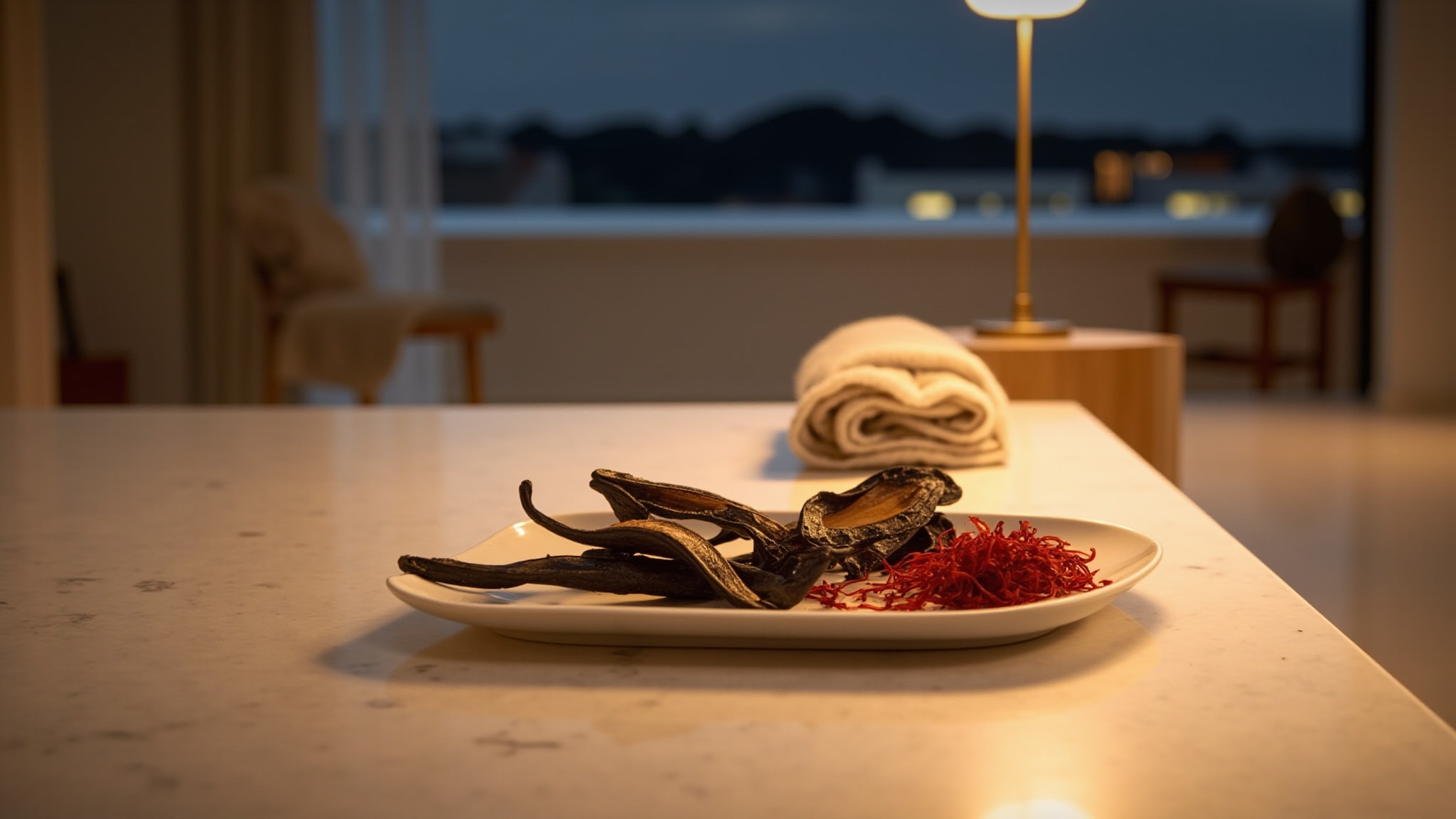
SI comes from Music De Parfum, a French niche house that names each composition after a musical note from the solfège scale. Christian Provenzano is the nose behind this fragrance, and SI takes its place within a collection where DO, RE, MI, SOL, and SI correspond to the ascending notes of that scale. The naming convention isn't decorative; it's the organizing principle of the house. SI is built around an Oriental structure in the classical sense: bright at the threshold, floral at the center, resinous underneath. It opens with mandarin and lemon cut by saffron and anise, a pairing that gives the first impression its savory, spiced lift.
What makes SI structurally interesting isn't any single note. It's the density of the base layer and how it's handled. Seven materials sit underneath the florals, including both sandalwood and patchouli, vanilla and tonka, musk and amber. The choice to include both sandalwood and patchouli gives the foundation two distinct textures: one creamy and lactonic, the other earthy and slightly bitter. Vanilla and tonka layer sweetness in different registers, vanilla clean and edible, tonka closer to caramel and warm hay.
The evolution
The first fifteen minutes belong to the saffron and anise. They arrive almost before the citrus settles, giving SI a savory, slightly metallic sharpness that some people read as liquorice, others as warm spice. The mandarin and lemon work underneath, bright but subdued, their juiciness filtering through the spiced top notes rather than sitting on top of them. By the thirty-minute mark the heart opens. Rose and geranium take the lead, with iris giving the blend a powdery, suede-like quality that softens the edges of both florals. Gardenia adds a creamy white-floral weight, the kind of dense, waxy sweetness that anchors the bouquet and keeps it from feeling thin. Lily rounds the edges with a clean, almost green freshness that prevents the florals from collapsing into something too syrupy.
Cultural impact
SI fits into a niche world where structure matters as much as scent. Wearers tend to be people who read their fragrance collections like playlists, attentive to arrangement, register, and how materials resolve over time. It rewards that attention. The fragrance occupies a particular place within the solfège-naming convention that defines the house, where each composition is tied to a specific note in the scale. SI, named for the seventh degree, carries the weight associated with that position: the note that pulls a phrase toward its close.