






Heritage
A house, in its own words
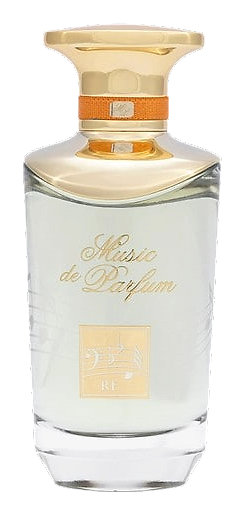
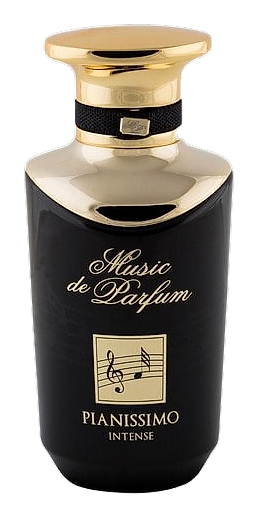
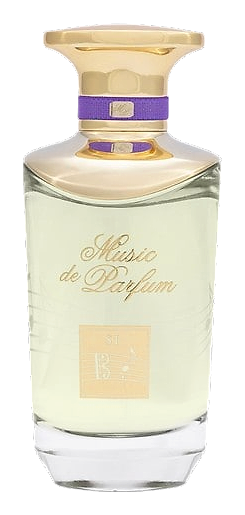
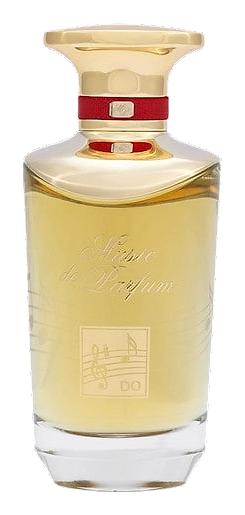
The story of Music De Parfum begins not in a perfumery but in a bookshop. In 1990, at age 16, Christian Provenzano acquired a copy of Le Parfum, the seminal work by Edmond Roudnitska, one of the 20th century's most respected perfumers. Roudnitska, creator of Diorissimo and Christian Dior's Eau Sauvage, wrote extensively about the art and philosophy of fragrance creation. For a teenager beginning to explore the possibilities of olfactory composition, this text reportedly served as both primer and inspiration. The influence of Roudnitska's methodical, almost architectural approach to scent would later manifest in how Provenzano structures his own compositions. The house officially launched in 2016 with five fragrance expressions corresponding to musical notes: DO, RE, MI, SI, and SOL. This initial collection introduced the house's core concept of translating musical structure into olfactory form. Mezzo Piano joined the lineup the same year, followed by the original Pianissimo. The house expanded its orchestral range in 2022 with Sinfonia and Concerto, both continuing the musical thematic while exploring richer, more complex compositions. The 2022 release of Pianissimo Eau de Parfum marked an evolution of an existing work, suggesting a house interested in revisiting and reinterpreting its own compositions rather than simply expanding outward. For Christian Provenzano, the act of composing a perfume mirrors the act of composing music. He has described working as if he were writing a score, where each material occupies a specific register and serves a specific function in the overall arrangement. This approach rejects the notion of fragrance as mere pleasant accident or intuitive mixture. Instead, it positions scent creation as a deliberate, structured practice where the perfumer functions as both architect and conductor, guiding individual elements toward a unified experience. The musical metaphor runs deeper than terminology. Where a musical composition moves through time in phases, a fragrance develops differently on each wearer as body chemistry, skin temperature, and environmental factors influence how notes emerge and recede. Provenzano appears to embrace this variability as a feature rather than a flaw, designing compositions that offer different impressions at different stages of wear. The solfège naming system serves a practical function beyond aesthetics. By using note names rather than evocative descriptors, the house signals that each fragrance occupies a specific place in an organized system. This makes the collection navigable for those who approach fragrance as a structured practice rather than a purely emotional one.