The Story
Why it exists.
The beginning
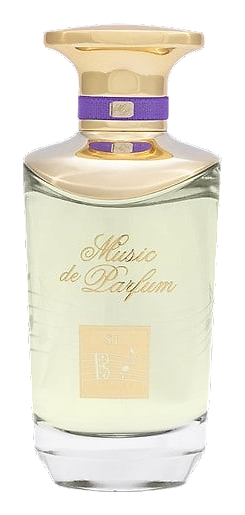
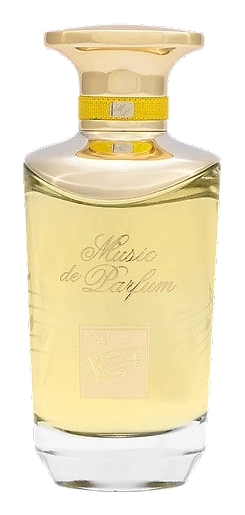
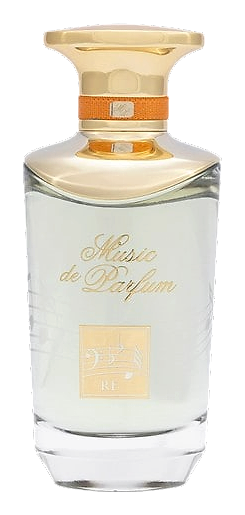
RE by Music de Parfum centers on a floral-amber dialogue. Bright jasmine and neroli open the composition, creating an immediate impression that is both crisp and inviting. These top notes lay the groundwork for a heart where osmanthus and amber work together, the amber pulling warmth from the petals and giving the florals something to rest against. White musk and cedar anchor the base, providing a clean foundation that prevents the overall effect from becoming diffuse or untethered. The result is a fragrance that feels intentional and cohesive, its transitions smooth rather than jarring. There is a sense of deliberation in how RE moves from its opening to its heart to its close. Every element has room to register without competing for attention, and the composition rewards patience.
The osmanthus-amber pairing in the heart is central to RE. Osmanthus occupies an unusual position in the floral spectrum, sitting between categories in a way that can unsettle expectations. It carries a velvety quality that responds distinctly to warmth, becoming more pronounced as the fragrance settles against the skin. When paired with amber, the effect is one of deepening rather than softening. The warmth from the amber does not dilute the osmanthus; instead, it coaxes out characteristics that might remain dormant in cooler conditions.
The evolution
The opening is bright and immediate. Jasmine and neroli arrive together, their combined presence creating a luminous first impression that draws attention without demanding it. Rose rests beneath these top notes, its presence felt as a softening agent that keeps the opening from becoming too sharp or fleeting. For a considerable stretch after application, this is what RE offers: a crisp, translucent floral that invites a closer look. Then the osmanthus arrives. Quietly, not with fanfare. It does not replace the jasmine; it layers beneath it, adding depth that changes the character of what you are smelling without making the transition feel abrupt. The jasmine remains present, but its quality has shifted. Amber follows, its warmth threading through the composition in a way that feels natural rather than imposed.
Cultural impact
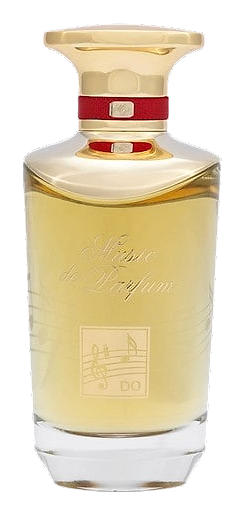
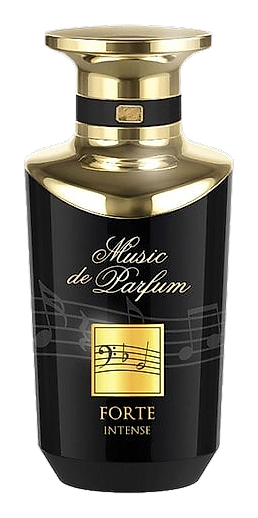
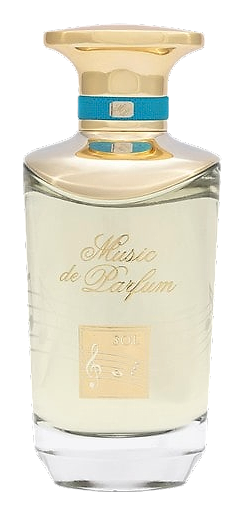
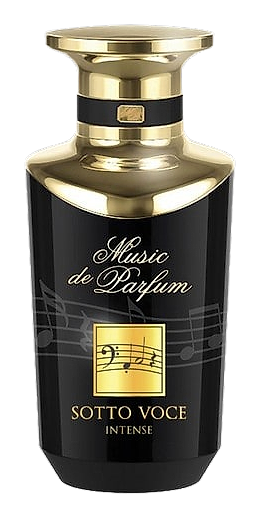
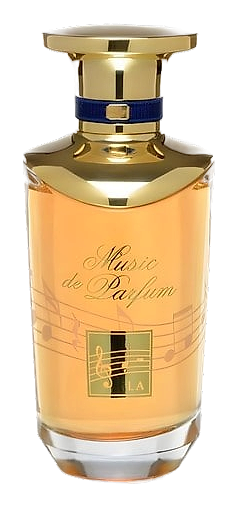
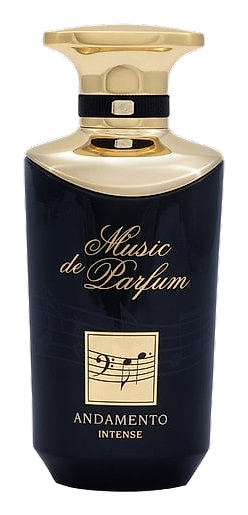
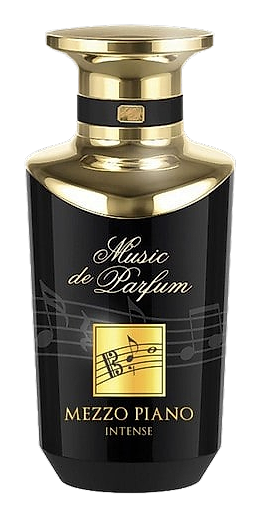
RE by Music de Parfum is part of a collection where each fragrance corresponds to a musical note. The concept behind this series reflects an approach to fragrance composition that treats scent as a structured, deliberate art form. Rather than creating perfumes that rely solely on commercial appeal, the house has developed a collection with a clear organizing principle, one that invites wearers to consider how different elements interact and evolve. The solfège framework provides a conceptual anchor, suggesting that each fragrance functions within a larger composition rather than standing in isolation.
The House
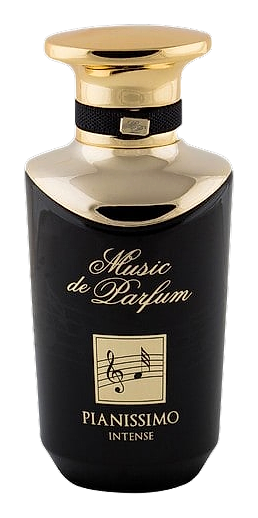
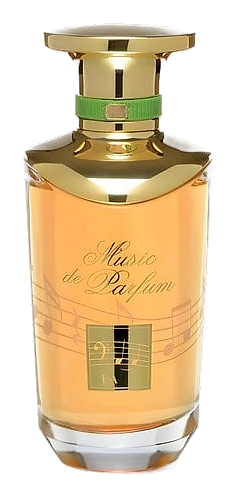
Music de ParfumMusic De Parfum is a niche French fragrance house built on the conviction that perfume and music share the same creative grammar. The house structures its collection around musical notation, with each fragrance named after a note in the solfège scale: DO, RE, MI, SI, SOL. This systematic approach extends beyond nomenclature into the very composition of each scent, where accords function like musical phrases, building and resolving in deliberate sequences. Christian Provenzano, the house's founder and perfumer, approaches fragrance creation as a compositional act, translating olfactory materials into something that unfolds across time on the skin. The house has released multiple iterations of its core compositions, including Pianissimo (2016) and its 2022 eau de parfum counterpart, along with orchestral pairings like Sinfonia and Concerto, both released in 2022. Based in France, the house occupies a distinctive position in the niche fragrance landscape by treating its musical framework not as mere branding but as an organizational principle for how it conceptualizes and constructs scent.
The Creator
Christian ProvenzanoFrom the fragrances attributed to him, a penchant for rich, opulent compositions emerges. He's likely drawn to warm, sensual notes like amber, musk, and vanilla, often paired with exotic spices and precious woods.