The Story
Why it exists.
The beginning
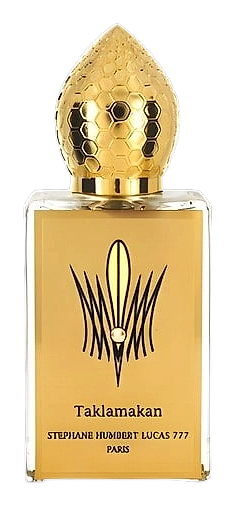
Taklamakan takes its name from one of the world's most unforgiving landscapes, a vast sand sea in China's Xinjiang region, where Silk Road caravans once moved between oasis cities carrying spices, resins, and aromatic woods. Stéphane Humbert Lucas drew from that geography of extremes: the merciless heat, the quiet vastness, the mingling of Eastern and Western cargo in transit. The fragrance translates the desert's logic, not its literal smell, but its mood. Dry, then warm. Empty, then full. Sparse materials made heavy through concentration and time.
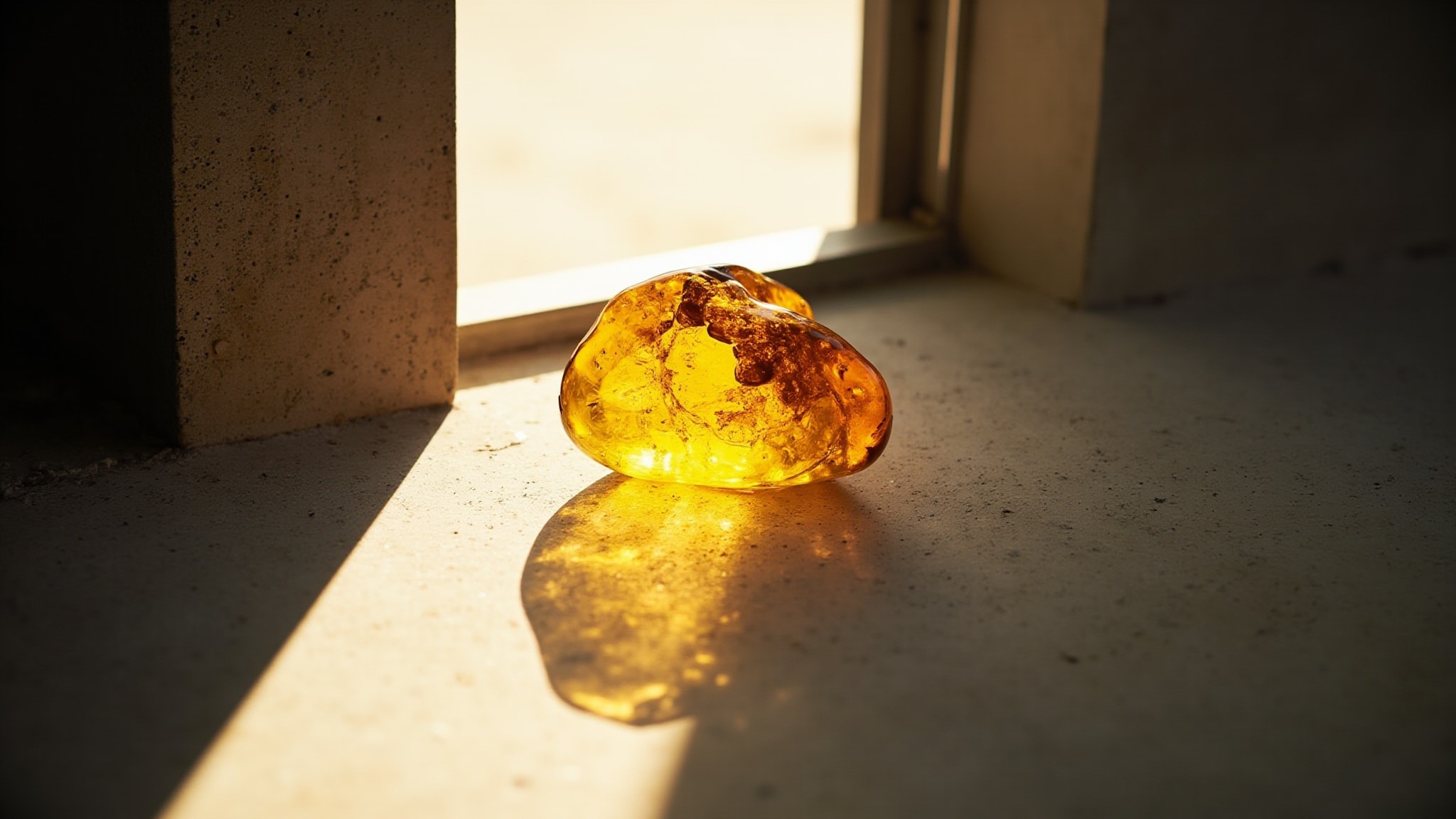
The note structure is deceptively spare: six materials in the official pyramid, yet it reads as richer than many fragrances listing twice as many. The combination of benzoin and labdanum creates a resinous loop where each amplifies the other. Patchouli does not arrive gently, it pushes through the opening as if the top notes are merely a courtesy before the real composition begins. The Chinese toon (Toona sinensis) adds an unusual vegetable-warm facet that most Western noses won't immediately place. Osmanthus brings a waxy, apricot-like sweetness that softens the resins without diluting them. The result is oriental in spirit but not in stereotype, it's hot, not sweet; resinous, not syrupy.
The evolution
The opening arrives fast: bergamot's citrus edge cuts across the skin for the first twenty minutes, sharp and declarative. Osmanthus softens the blow slightly with its apricot-warmth, but this is not a gentle beginning. Patchouli asserts itself by the thirty-minute mark, earthy and dark, displacing any lingering citrus. The resins begin their slow build underneath, benzoin's vanillic warmth pressing upward while labdanum adds a dry, herbaceous counterpoint. By the second hour, vanilla arrives not as a dessert note but as something smoky, almost leathery, woven through the patchouli. The osmanthus persists as a quiet thread throughout, adding a powdery-floral undertone that prevents the composition from becoming entirely dark. The drydown settles into a warm musk-resin loop that can persist into the next day on fabric. Taklamakan does not fade, it descends.
Cultural impact
Taklamakan occupies a specific space in the collector's wardrobe: the resin-heavy oriental that refuses to be polite. Community feedback positions it as a fragrance for those who want noticeable sillage, strong longevity, and a composition that earns its weight through material quality rather than volume. It sits comfortably among substantial niche orientals, fragrances that ask something of the wearer before offering their rewards.