The Story
Why it exists.
The beginning
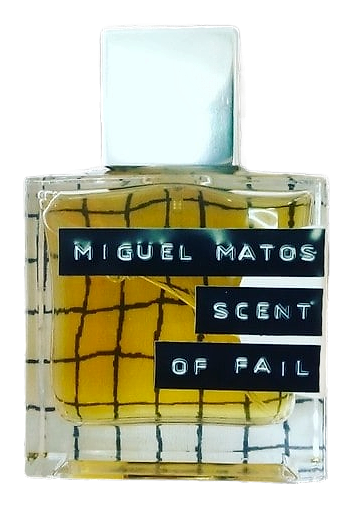
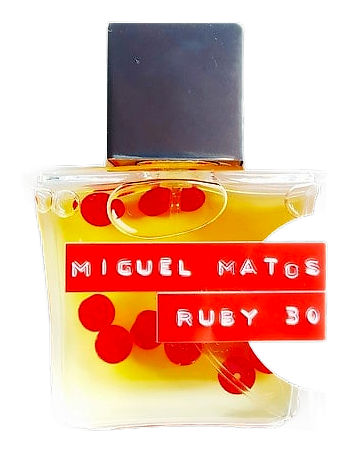
Ruby 30 was born from accident, then rescued by intention. The story starts in the lab where Miguel Matos was developing other fragrances. Each failed formula got poured aside, and over time those rejects accumulated into a raw, unfiltered blend, a powerful fruity-floral-woody that smelled like something worth keeping. Rather than discard the result, Matos decided to intervene, to shape what chance had begun. He amped the tuberose and added cumin and ginger, transforming the random outcome into a deliberate composition. Only 30 bottles were produced, made exclusively for the NicheScent boutique in Arad, Romania. Launched in 2020, the release remains one of the smaller productions tied to Matos's ongoing exploration of what happens when rejected materials are given a second life.
What makes Ruby 30 structurally unusual is its upcycled origin. Rather than building from a blank brief, Matos started with the residue of previous failures and edited them into cohesion. The animalic and honey accords in the heart add warmth and friction, preventing the white florals from collapsing into clean perfumery.
The evolution
The first fifteen minutes are cumin-forward, almost savory, with ginger slicing through like heat without flame. There's a brief window where the spice dominates and the florals are still gathering underneath, quiet but loaded. By the thirty-minute mark, the tuberose and jasmine have taken the stage, dense and creamy, with rose curling in around the edges and raspberry lending a dark fruit sweetness that reads almost like wine. The honey note emerges late in the heart phase, adding a golden warmth that thickens the texture. As hours pass, the white florals settle and the animalic and musky base materials rise, giving the composition a skin-like warmth that stays intimate. The sandalwood and woody notes anchor everything, and the cumin never fully disappears, reappearing in the drydown as a dry, almost mineral undertone.
Cultural impact
Ruby 30 is a limited, discontinued release with only thirty bottles ever produced, all of them made for the NicheScent boutique in Arad, Romania. The upcycling concept, rescuing failed formulas rather than discarding them, gives the project a story that sits outside the usual boutique-niche playbook. Most releases are built from a brief; this one was built from what was already on the bench, and that unusual starting point is part of what makes the small run memorable to anyone who tracks limited perfumery.