
The Story
Why it exists.
The beginning
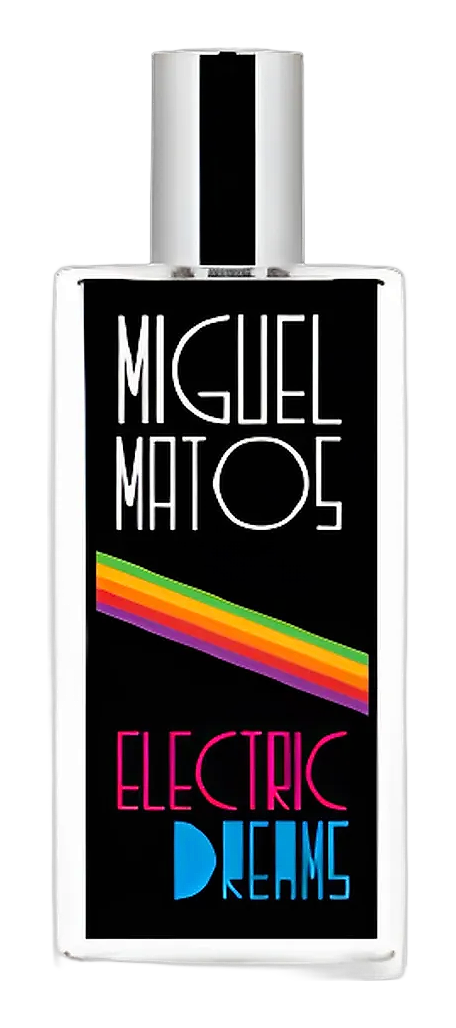
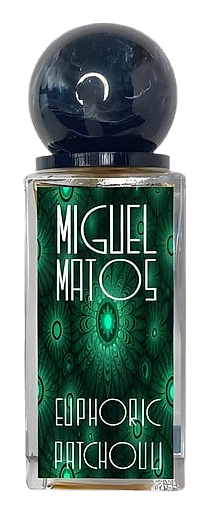
Euphoric Patchouly comes from Miguel Matos, the perfumer who has built a reputation for thoughtful, concept-driven compositions outside the mainstream release calendar. The premise is instantly readable: patchouli, the material that carries decades of baggage from incense shops and 1970s bedrooms, is here reworked in an unexpected register. Hazelnut and peach anchor the opening, a sweetened pairing that smells more like a confection counter than a perfume counter. Smoke and vanilla do the work after, darkening the edges without burying the fruit. Patchouli threads through both halves, holding the confectionery register and the ashy register together so they feel like a single statement rather than a juxtaposition.
Euphoric Patchouly operates in territory that most patchouli-led scents either oversimplify or actively avoid. Matos threads patchouli through hazelnut at the opening, letting the nutty sweetness soften the leaf's greener edges rather than fighting them. Smoke arrives early, lending an almost fireplace quality to the drydown that prevents the vanilla from going cloying. The result is a fragrance that holds two adjacent temperatures at once, warmth and intensity, both edible and a little solemn. It is neither the dusty, mineral chypre tradition nor an outright dessert composition.
The evolution
The first minutes belong to hazelnut and peach, sweetened slightly by bergamot, reading almost like a praline left near a lit candle. Gardenia and jasmine flicker through, adding a creamy floral softness that rounds the sweetness rather than sharpening it. Then the patchouli arrives, not as an earthy green note but as a dense, slightly bitter warmth, and smoke begins to rise from underneath. Galbanum adds a sharp, resinous edge right at the handoff, the green-pepper snap that prevents the composition from collapsing into pure dessert. As the fragrance settles, the smoke quiets, joined gradually by sandalwood and vanilla, and the peach recedes from a fruit to a lingering suggestion. Oakmoss anchors everything, earthy and close to the skin. In its latest stage, what remains is a warm, smoky, woody hum, still patchouli, still faintly sweet, still quietly smoldering.
Cultural impact
Euphoric Patchouly makes a strong case for patchouli as a luxury material rather than a relic. Where most modern interpretations either sand down the note into something neutered or lean into its hippie-era reputation for effect, Matos treats it as a serious protagonist. The hazelnut-and-peach opening reads as a deliberate reframing, softening the leaf's rougher associations without losing its identity. The smoke and vanilla in the base deepen that argument, suggesting that patchouli can carry weight and elegance alongside sweetness.