The Story
Why it exists.
The beginning
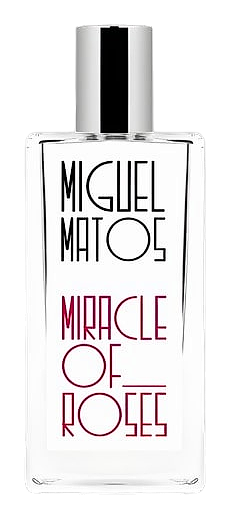
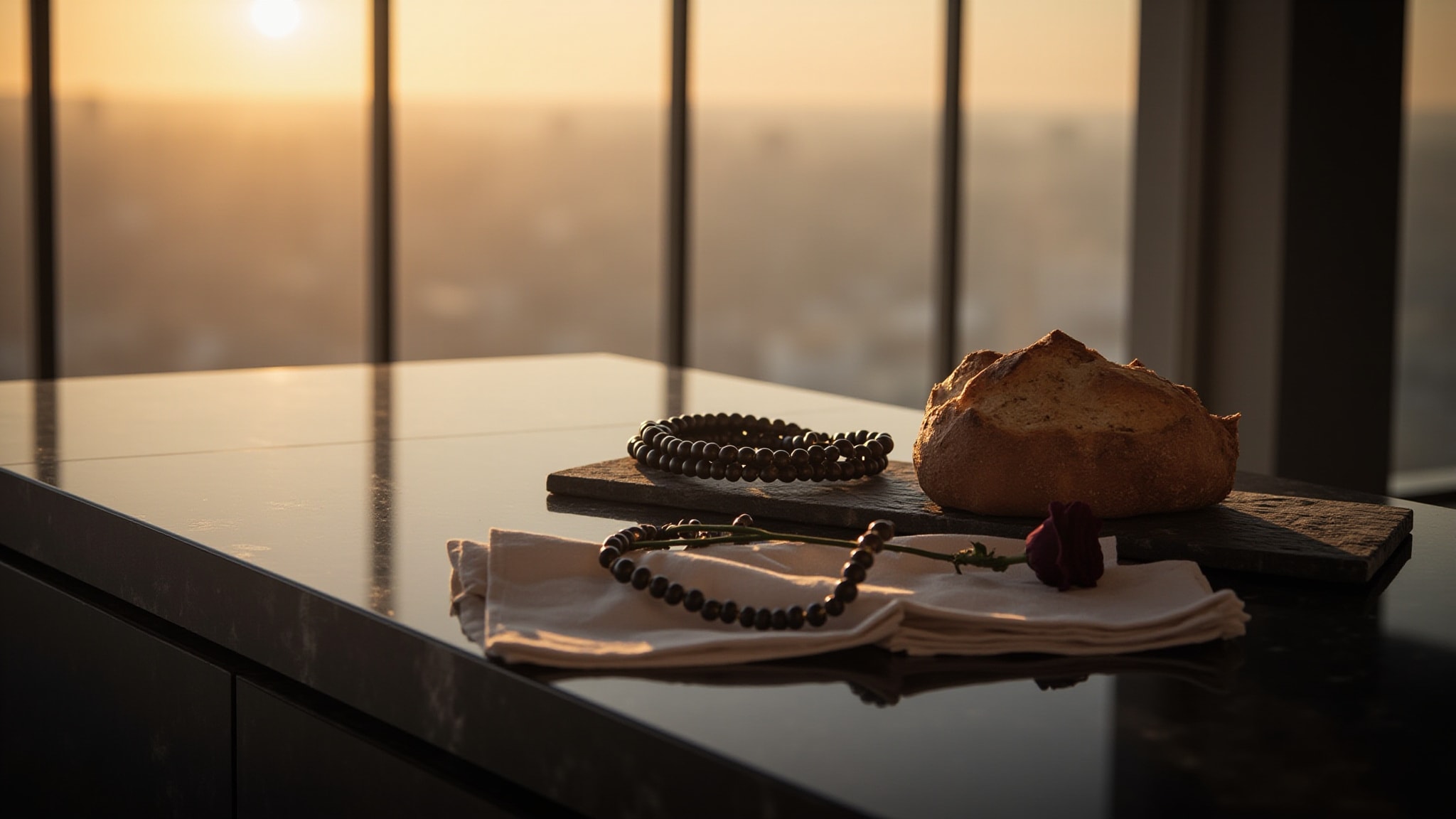
Miracle of Roses began as a deliberate pairing of two scents that rarely share the same bottle: bread and roses. Miguel Matos framed the composition around the idea of sanctified smells, drawing on conventual materials that carry both domestic and devotional weight. Released in 2019, it pulled from a palette that included milk, bread, incense, and honey, building toward something less a perfume than a quiet procession through a room that smells like it has been holding mass for centuries. The accord reads as a single, continuous gesture rather than a series of separate notes stacked on top of one another, with each material feeding into the next without interruption.
What separates this from the usual rose-forward release is the milk and bread opening that frames the flower before it ever shows itself. The rose arrives filtered, as if coming through incense and candle smoke and the faint warmth of a stone floor rather than presenting itself straight on. The immortelle does the heavy lifting in the middle, a material with an ambered, almost edible cast that lends the composition its sticky, resinous undertone. The cinnamon is generous but not aggressive, dusting the whole structure rather than announcing itself as a featured player.
The evolution
The opening minutes smell less like perfume and more like someone pulled a warm loaf out of the oven behind a velvet curtain dusted with cinnamon. The milk note doesn't register as dairy so much as a creamy sweetness that softens everything around it, almost blurring the edges of the composition and giving it a muffled, cushioned quality. As the early stage passes, the rose finally arrives, not dewy or jammy but powdery, almost dried, like petals pressed between devotional cards. Iris adds a soapy chill next to the cinnamon warmth, a strange and specific tension that holds through much of the wear. The immortelle blooms somewhere in the middle of the experience, pulling everything toward a burnt-sugar, almost-maple sweetness that makes the progression feel candlelit rather than floral.
Cultural impact
Miracle of Roses sits in an unusual niche: a rose fragrance that leads with bread and milk and never lets the flower take the spotlight. It functions less as a rose fragrance than as a meditation on materials that don't usually share a fragrance composition, the kind of accord that treats bread, roses, and incense as belonging to the same aromatic family. The scent occupies a space between gourmand and floral, between edible and sacred, between the kitchen and the chapel, refusing to commit to either category alone.