
The Story
Why it exists.
The beginning
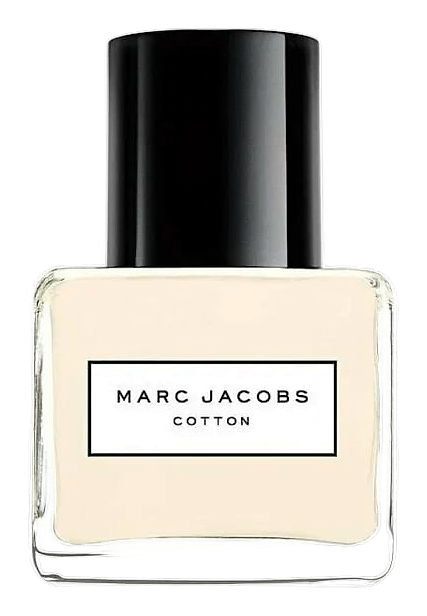
Marc Jacobs launched Cotton in 2006, the same year the brand was establishing its fragrance portfolio with Coty. Perfumer Carlos Viñals built the composition around a literal cotton flower heart, surrounded by familiar white florals, anchored in a soft suede and musk base. The result was a fragrance that didn't try to impress. It tried to comfort. That positioning was deliberate. By 2006, Daisy and its bold floral identity were still a year away from defining the brand's fragrance vocabulary. Cotton occupied a quieter lane entirely. The fragrance pyramid reflects this restraint: top notes of mandarin, bergamot, orange, and white peach give way to a heart of cotton flower, jasmine, lily of the valley, and lavender, settling into a base of suede, musk, sandalwood, and white woods.
What's interesting about the structure is the literal-to-abstract progression. The heart note isn't a fantasy or a mood, it's an actual botanical, cotton flower, rare in mainstream perfumery because it produces almost no extractable oil. What you smell isn't cotton essence so much as a recreation of cotton's sensory impression, that dry, slightly sweet, airy softness that perfumers achieve through combinations of musk, heliotrope-family florals, and sheer white florals.
The evolution
The first fifteen minutes belong to mandarin, bergamot, orange, and white peach. A bright, juicy citrus opening that reads almost like biting into fruit in summer light. Then something happens around the twenty-minute mark. The citrus recedes and the cotton flower accord starts to emerge. Not as a sharp note, but as a texture. The fragrance gets quieter, softer, almost tactile. Lily of the valley and jasmine lend a soapy sweetness, and lavender cools the whole thing down. There's a fabric-softener quality to this phase, intentional, not accidental. By hour two, you're in the suede and musk drydown. Warm, skin-close, faintly powdery. The sandalwood and white woods underneath keep it grounded without making it heavy. This isn't a scent that demands space.
Cultural impact
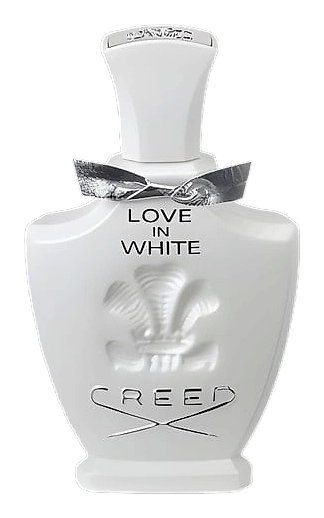
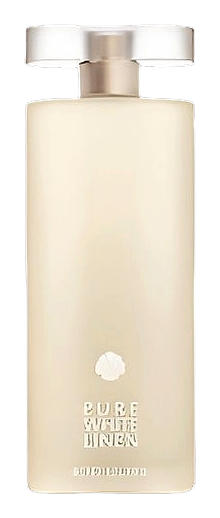
Cotton sits in a familiar territory, the clean-floral-comfort category that includes Emporio Armani White for Her and Jil Sander's Softly. Among those peers, Cotton reads softer and more fabric-evocative, thanks to the suede base. It's a fragrance that does well in warm weather and casual settings, the kind of scent that doesn't demand a moment but rewards proximity. The 2016 re-release as Cotton Splash extended its life without changing its core appeal. The comparison to other fragrances in this category helps frame where Cotton sits within the broader landscape of clean, comforting scents.
The House
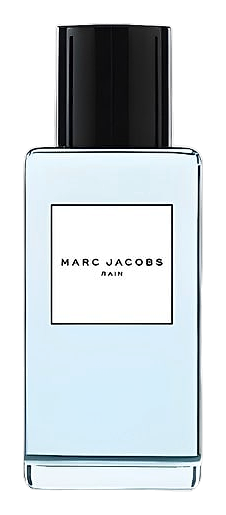
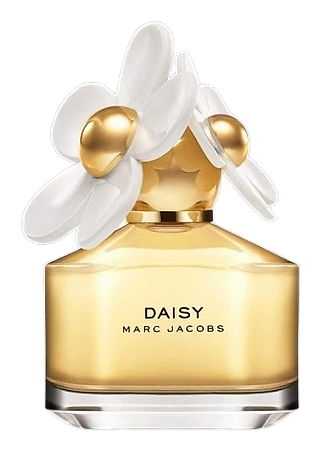
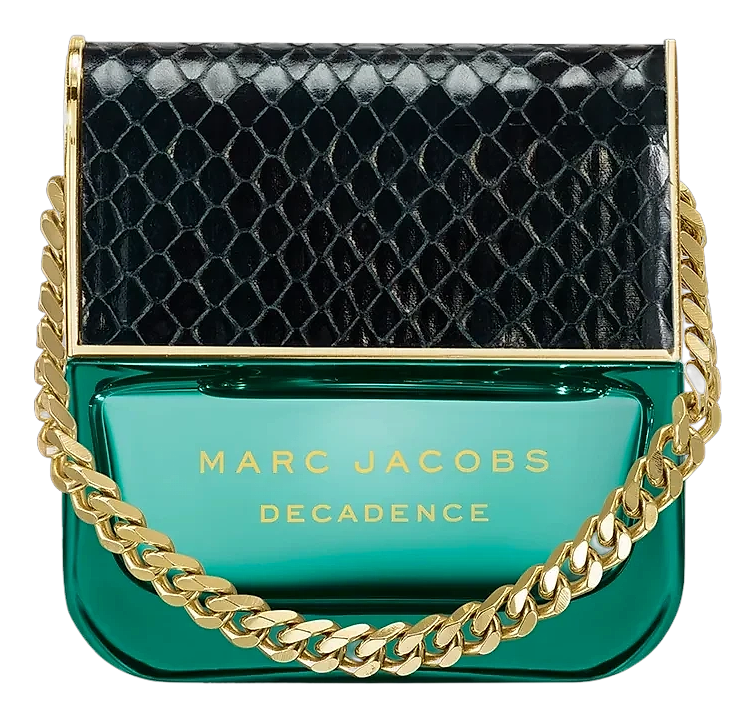
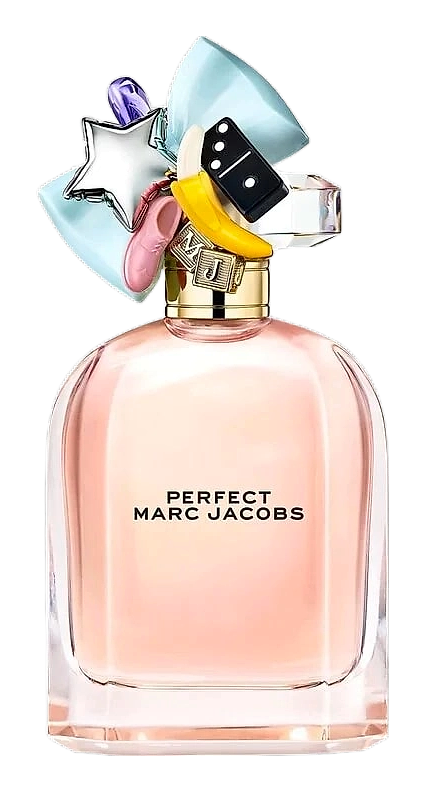
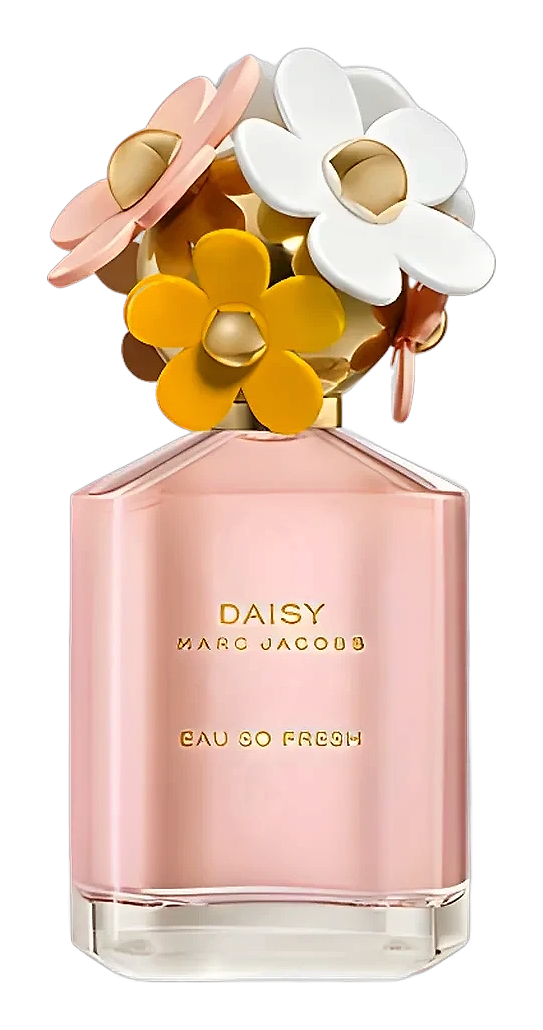
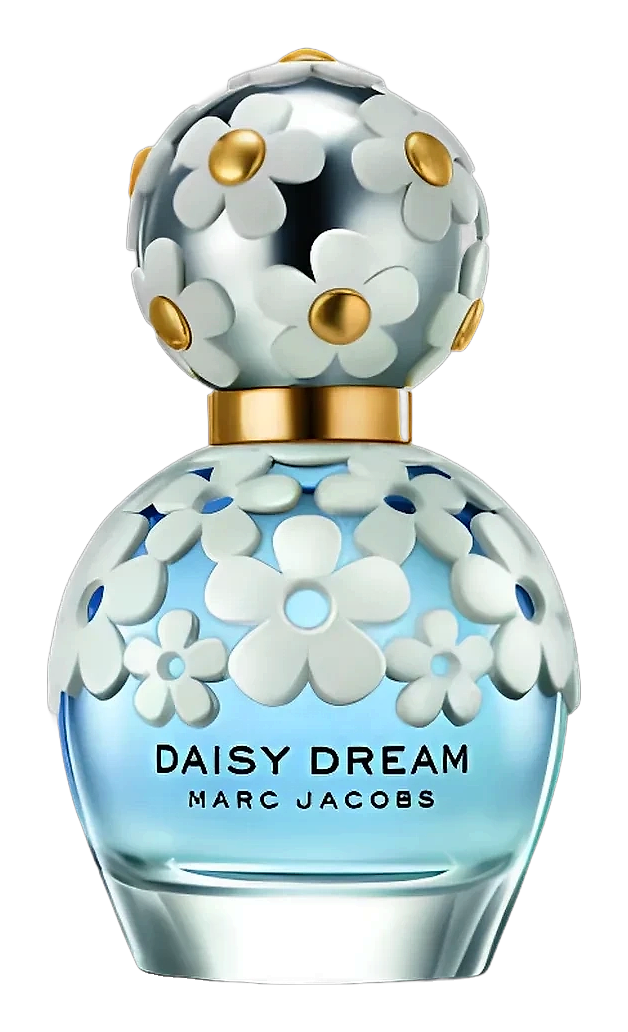
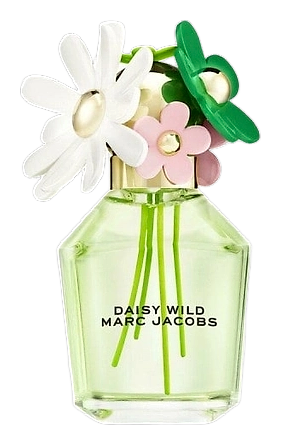
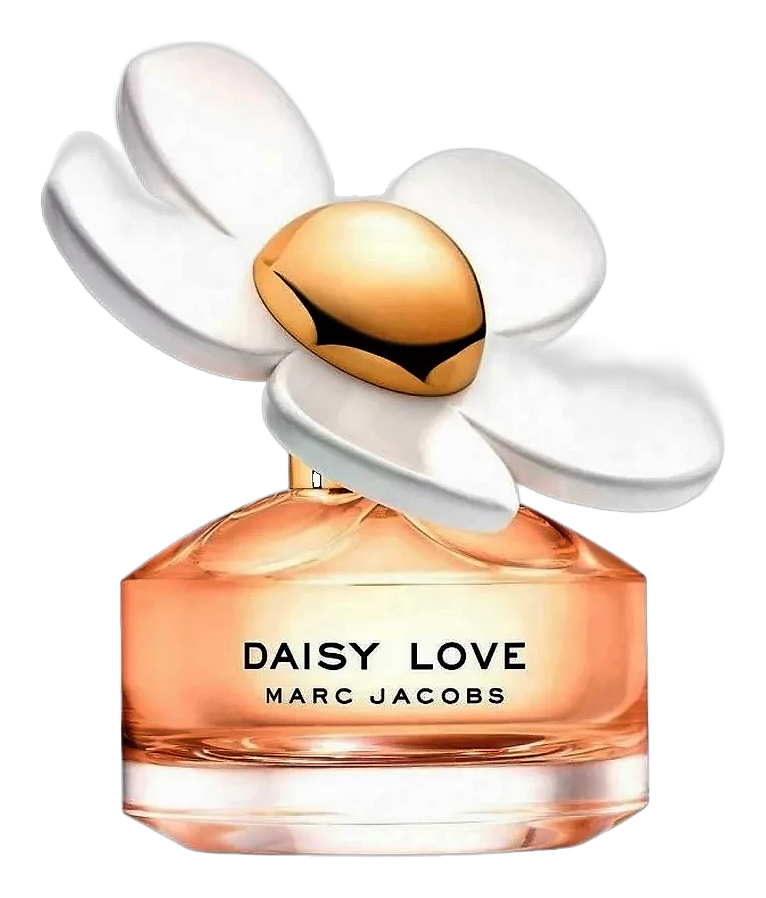
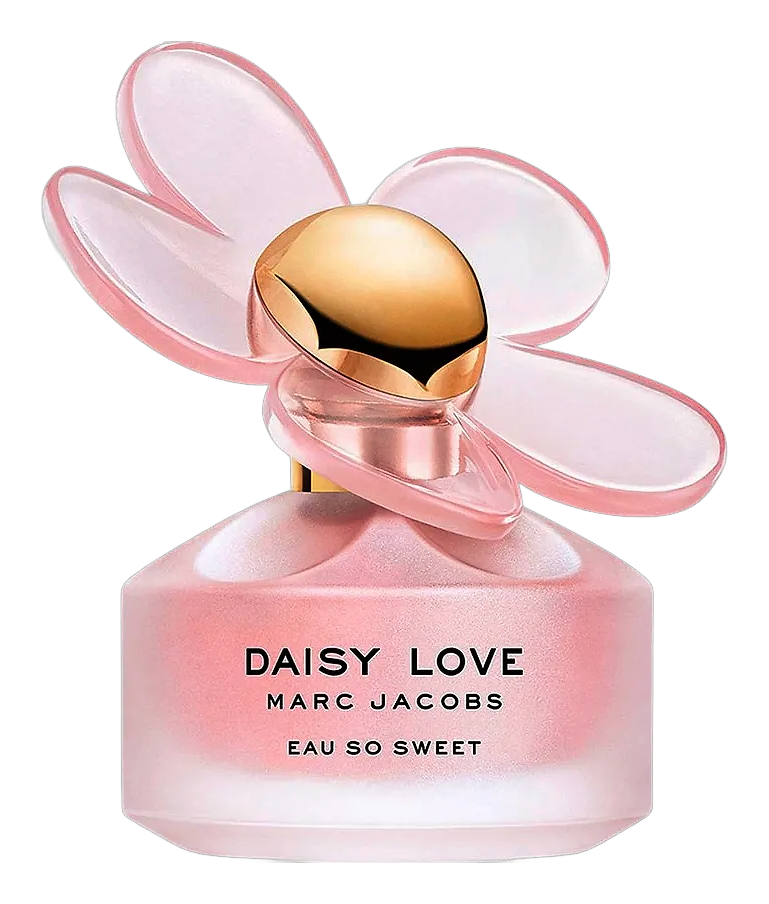
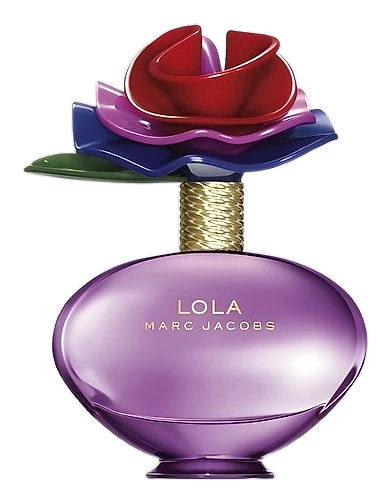
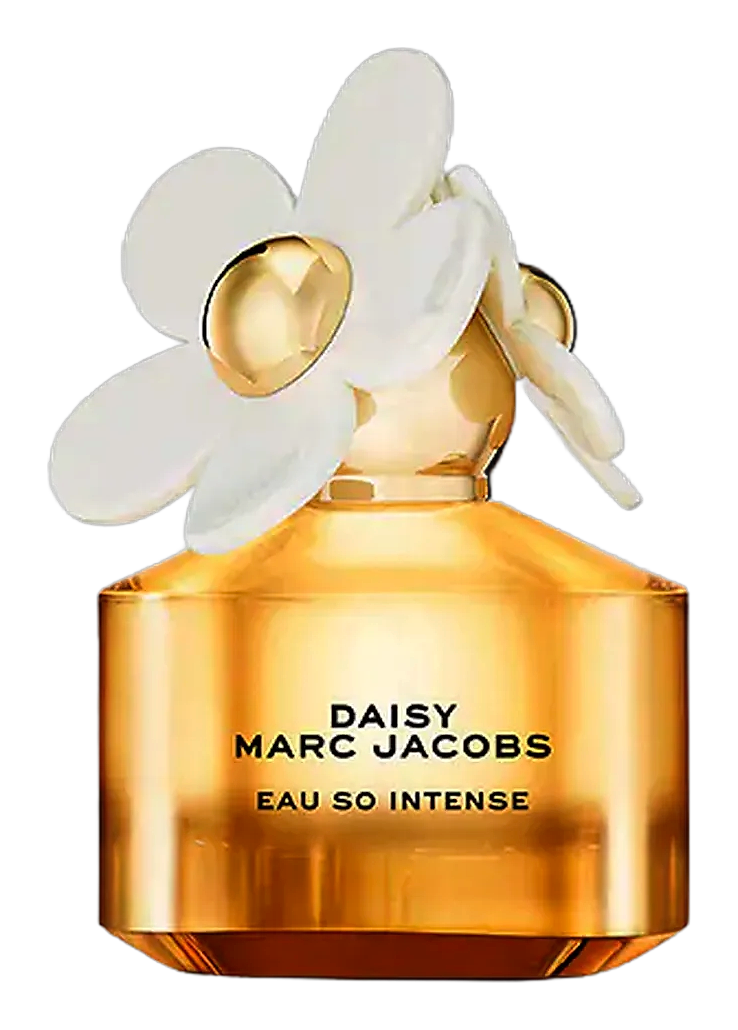
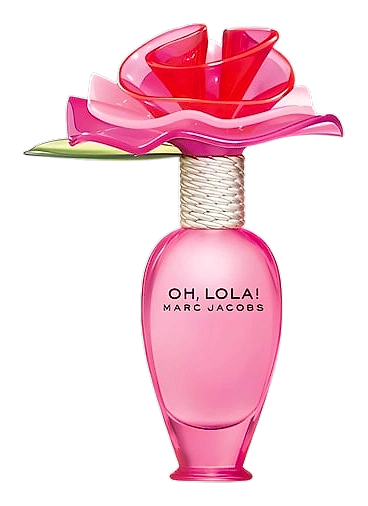
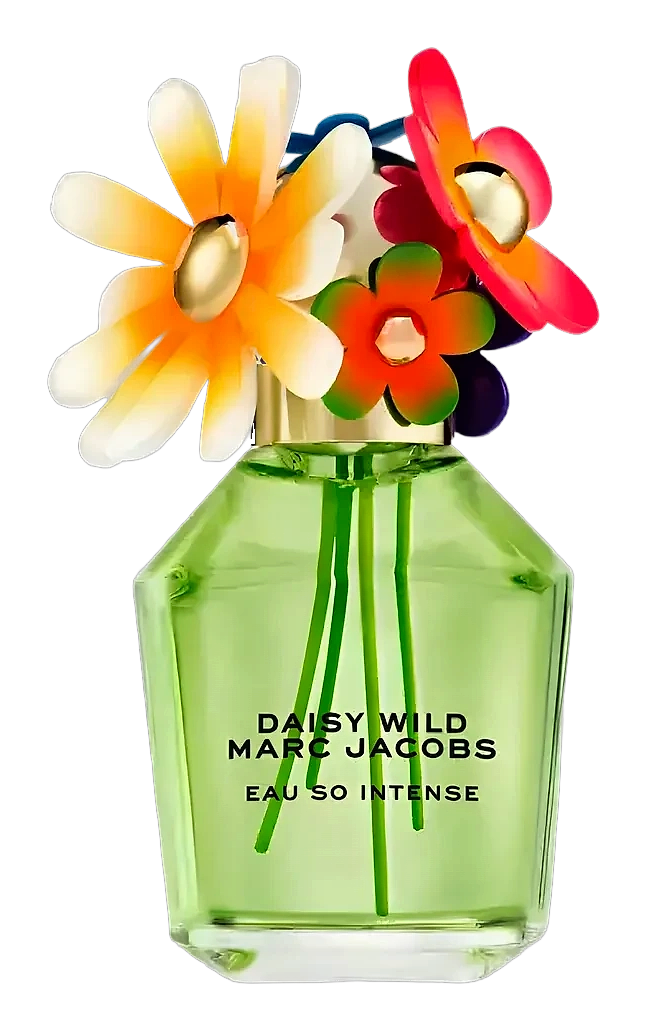
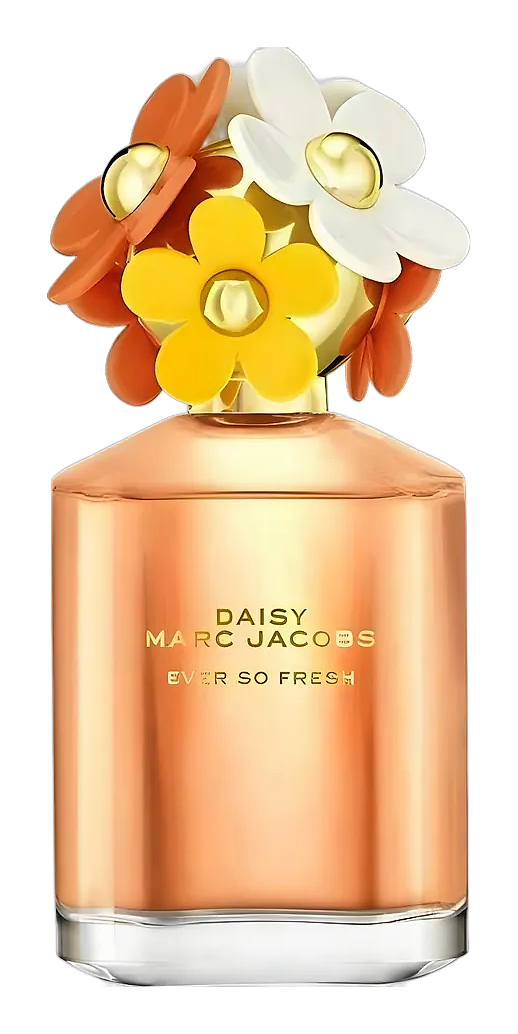
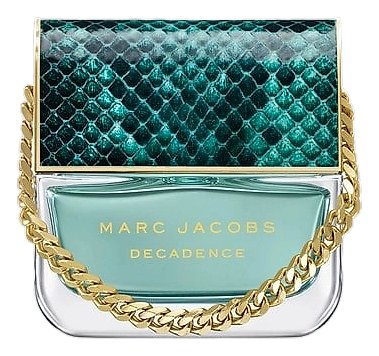
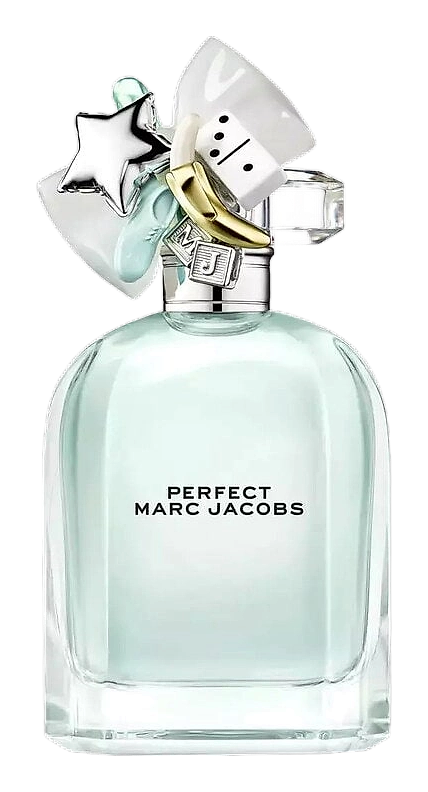
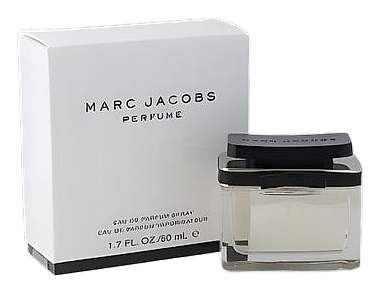
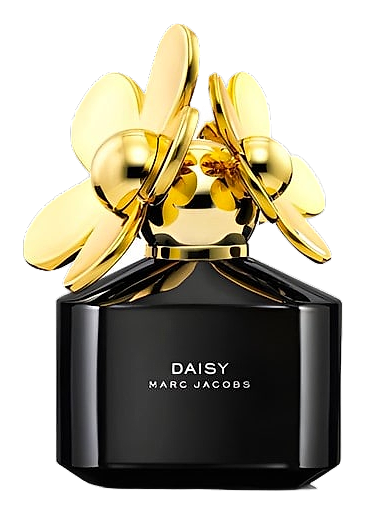
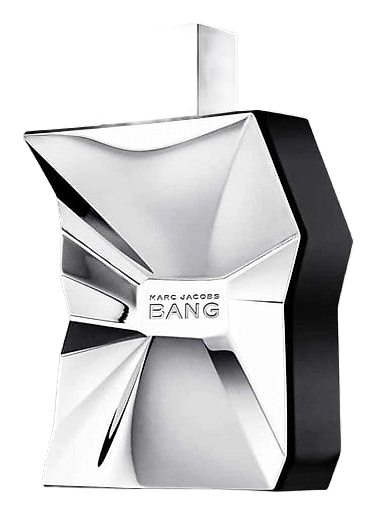
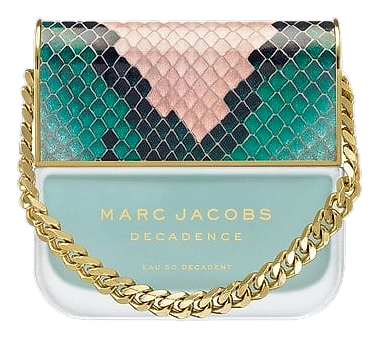
Marc JacobsMarc Jacobs fragrances, produced under license by Coty, launched in 2001 with Marc Jacobs for Women, followed by a companion men's scent in 2002. The brand has since built an extensive portfolio of fragrances anchored by signature lines including Daisy (2007), Lola (2009), Decadence (2015), and Perfect (2020). Daisy, named after Daisy Buchanan from F. Scott Fitzgerald's The Great Gatsby, quickly became a defining success for the brand, spawning numerous flankers and variations across multiple collections. The line's visual identity, with its oversized daisy cap atop a clean bottle, became one of the most recognizable silhouettes in contemporary perfumery. Decadence introduced a handbag-shaped bottle on a gold tasselled chain, a notably unconventional vessel for fragrance at the time of its launch. The brand has collaborated with a broad roster of perfumers over the years, including Annie Buzantian, Ann Gottlieb, Steve DeMercado, Loc Dong, Alberto Morillas, and Calice Becker, among many others. Marc Jacobs fragrances are available at major department stores worldwide and online.
The Creator
Carlos ViñalsViñals works across a wide range, from approachable mass-market scents to intricate fine fragrances. His compositions tend toward clarity and balance, with carefully considered construction.