
The Story
Why it exists.
The beginning
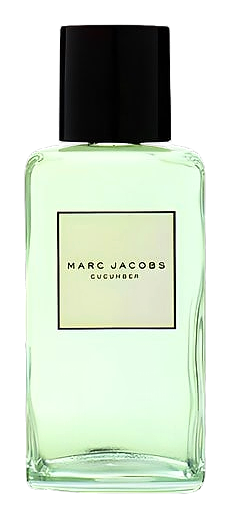
Cucumber as a fragrance concept is an unusual choice, not the herbs or tea greens that perfumers typically reach for, but the actual scent of something you'd find in a refrigerator. Vera Vanore and Mathieu Nardin built this composition around that specific strangeness: cucumber's mineral, almost synthetic freshness, the way it smells like cold water meeting something alive. Released in 2007, Splash Cucumber fits the Marc Jacobs pattern of doing exactly what it wants. Not every choice from that house is predictable. This is one of them.
The freshness here isn't aquatic in the conventional sense, no oceanic Ambroxan or salty drift. It's more literal. The cucumber gives the composition a watery, almost ozonic quality that reads as mineral rather than marine. Bamboo adds a dry green undertone that keeps everything grounded, while lotus leaf introduces a faint, slightly waxy softness beneath the cool surface. Together these three materials create an opening that is genuinely difficult to place, neither vegetable garden nor ocean breeze, but something in between that feels surprisingly clean and slightly synthetic, like the smell of cold water on a surface that isn't quite natural.
The evolution
The opening arrives fast, cucumber slicing through with that cold, watery punch, bamboo following close behind with a dry green edge. You get ten minutes of genuine chill before the florals start to ease in. Freesia and lily of the valley arrive quietly, almost reluctantly, settling over linden blossom in a muted, slightly powdery warmth that softens the initial sharpness without replacing it. The drydown is the real test, and here the fragrance makes its choice: white woods and musk keep things close, intimate, barely there. This is not a fragrance that fills a room. It rewards anyone who leans in.
Cultural impact
Marc Jacobs Splash Cucumber arrived at the peak of the aquatic fragrance boom in 2007, capitalizing on consumer appetite for fresh, watery scents that dominated that era. The Splash collection represented Marc Jacobs' entry into accessible designer fragrances, positioned alongside the brand's growing fashion empire. The cucumber note was relatively uncommon in perfumery at the time, making this a distinctive statement within the crowded fresh fragrance category. Its release coincided with broader cultural movements toward wellness, clean eating, and green living that would only grow stronger through the 2010s.
The House
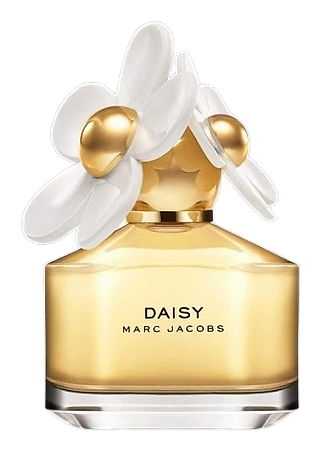
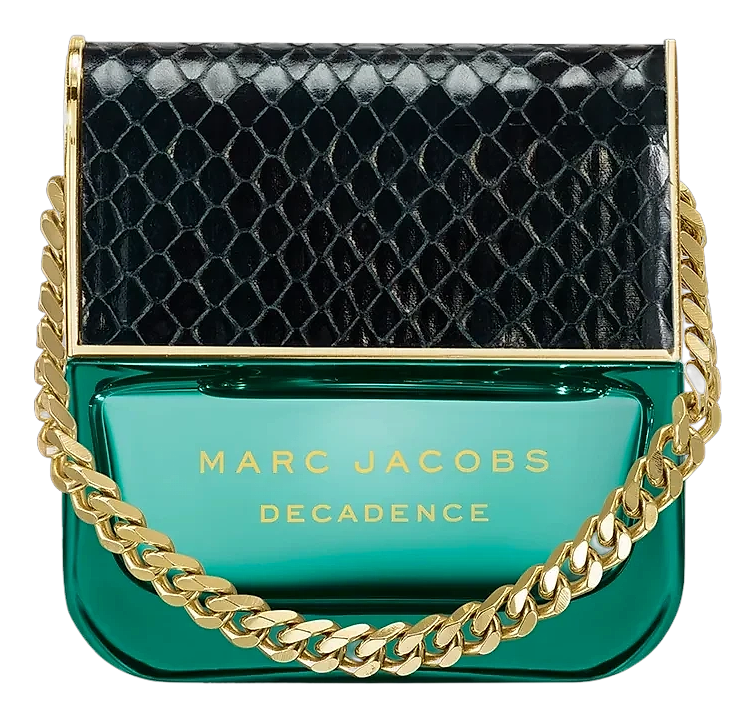
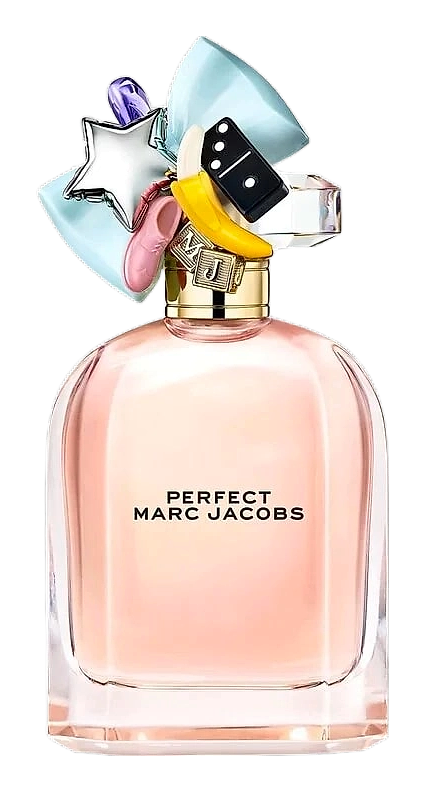
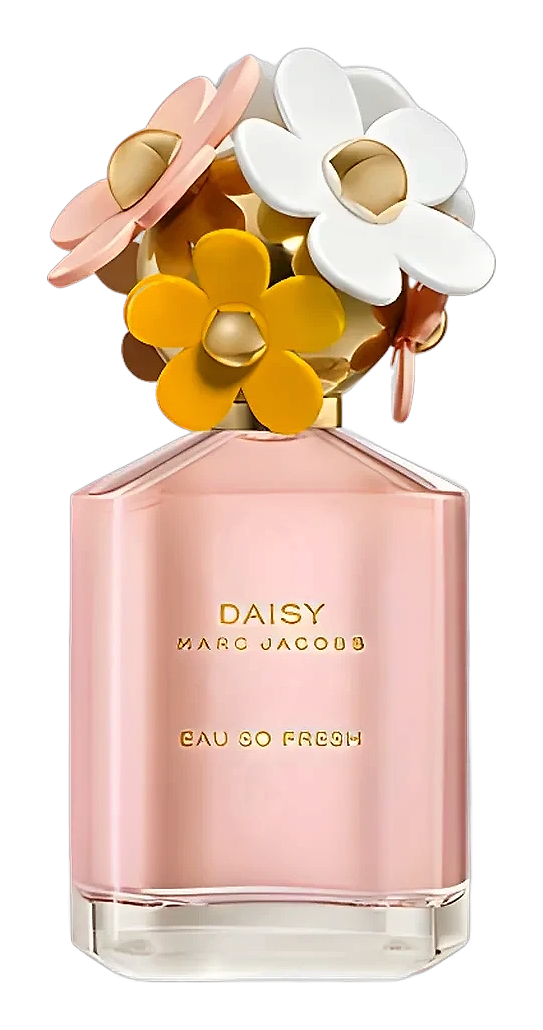
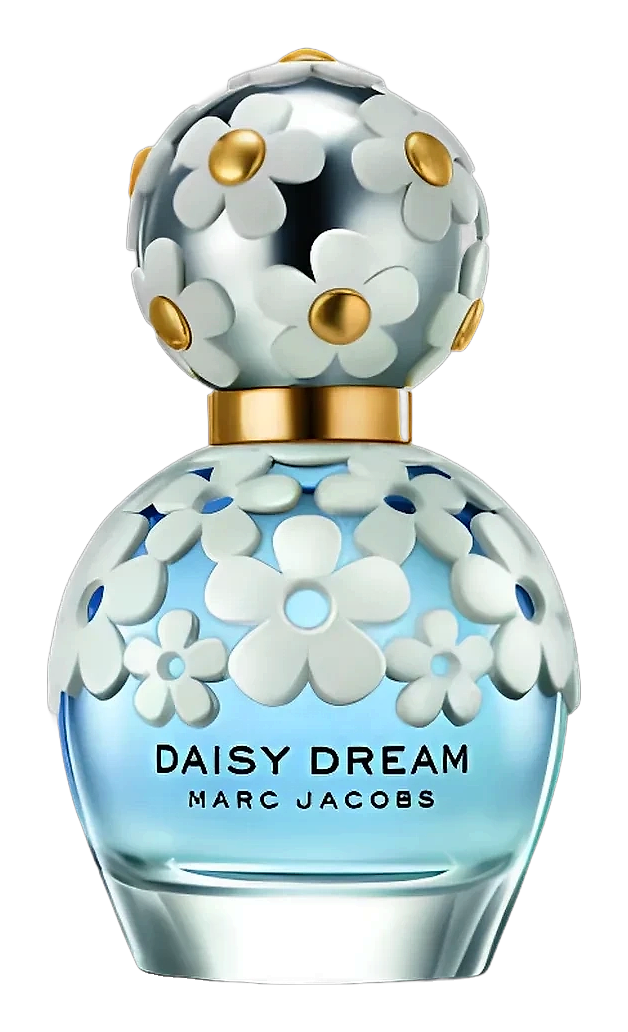
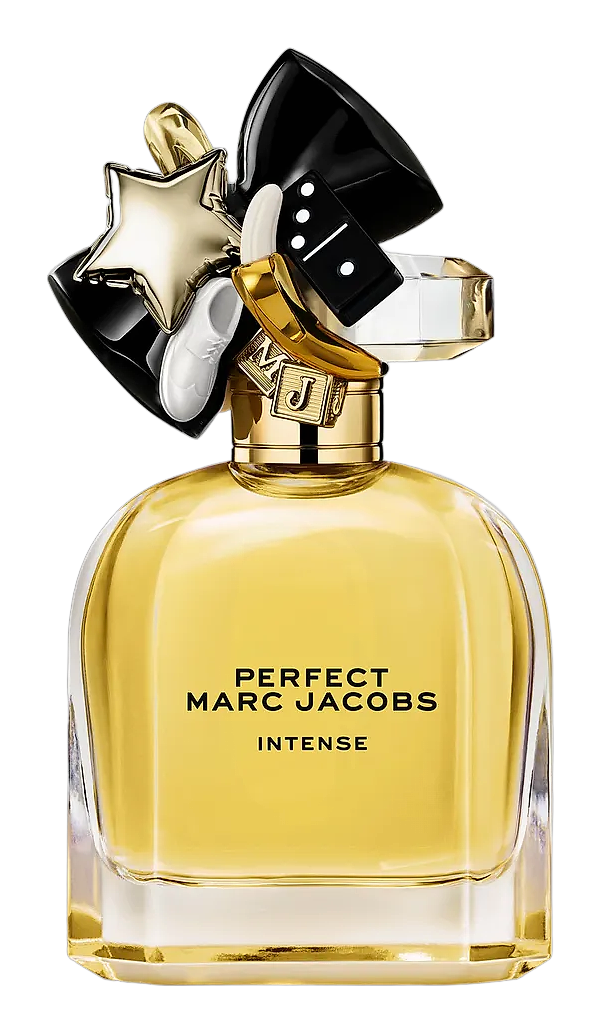
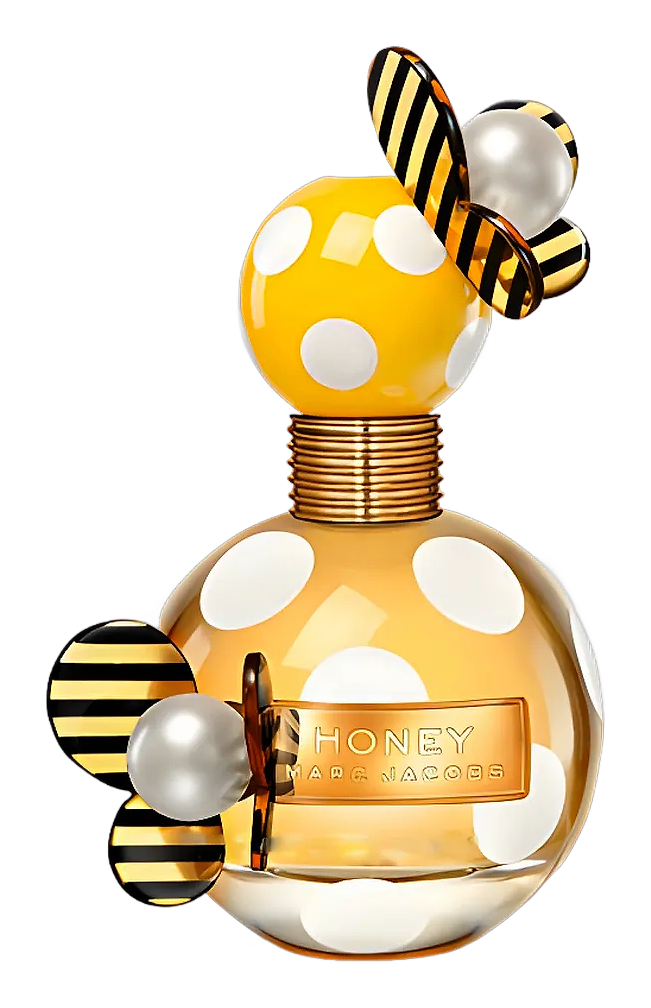
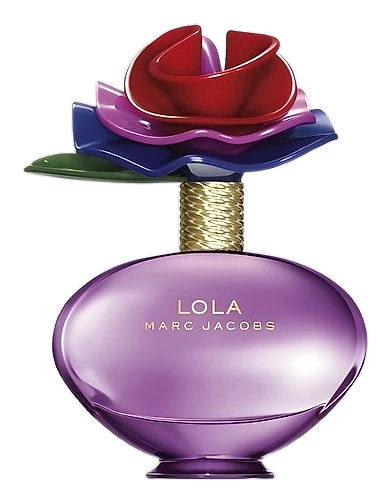
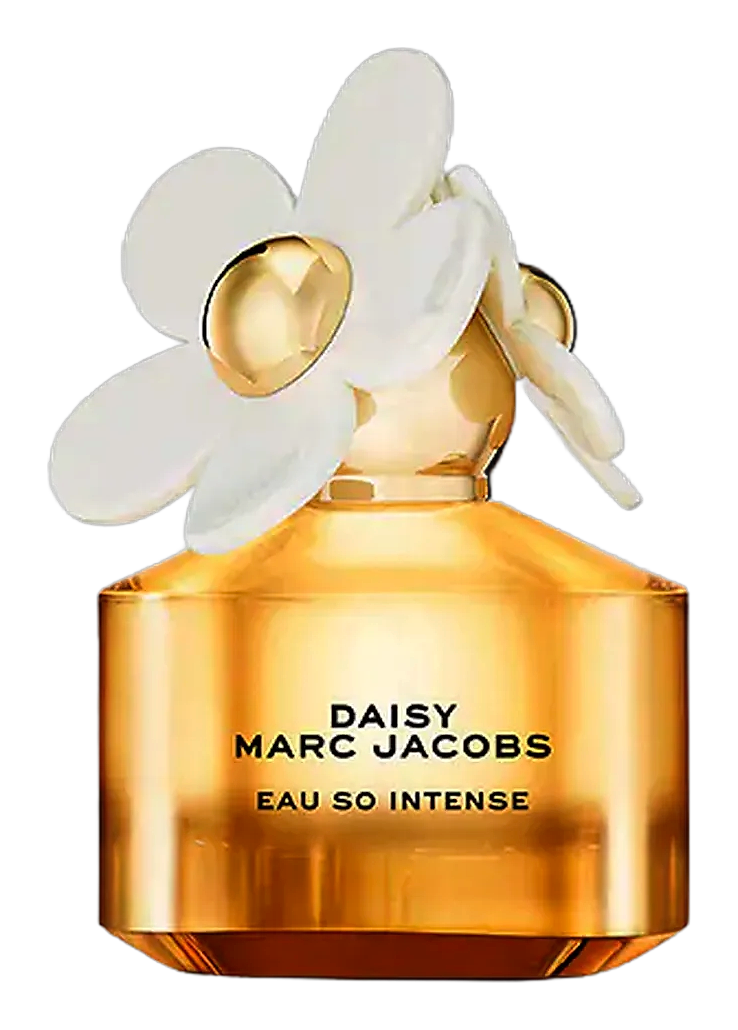
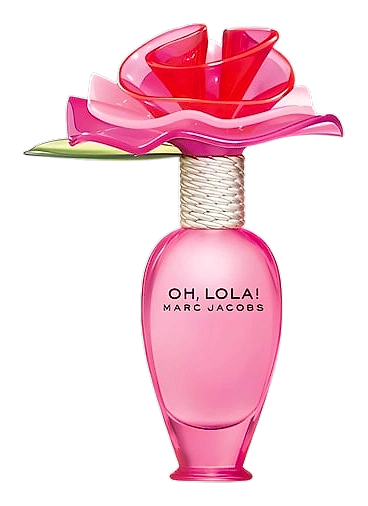
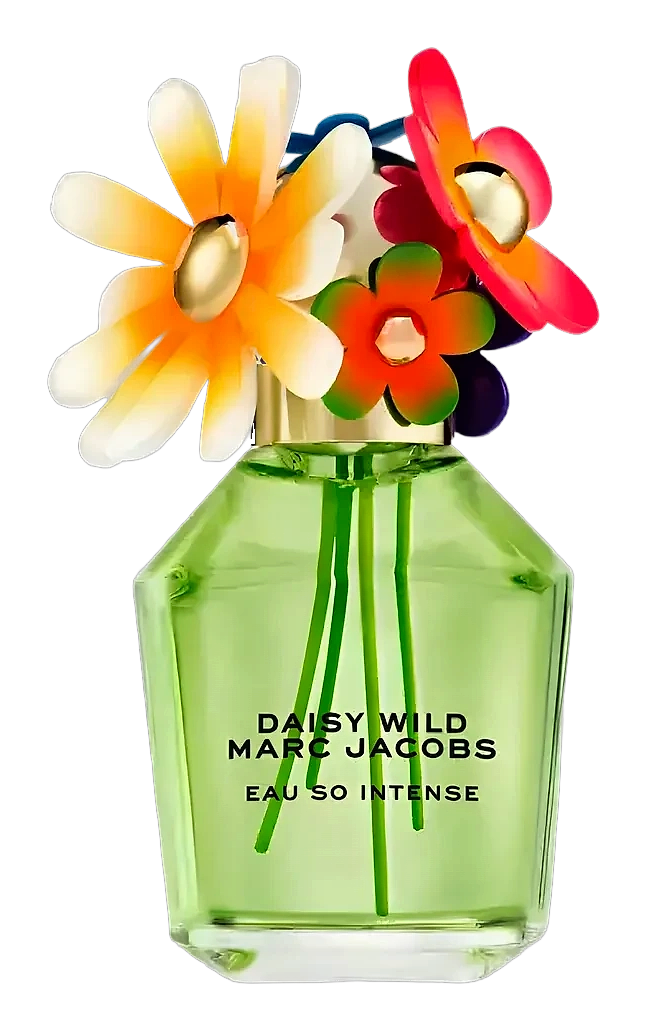
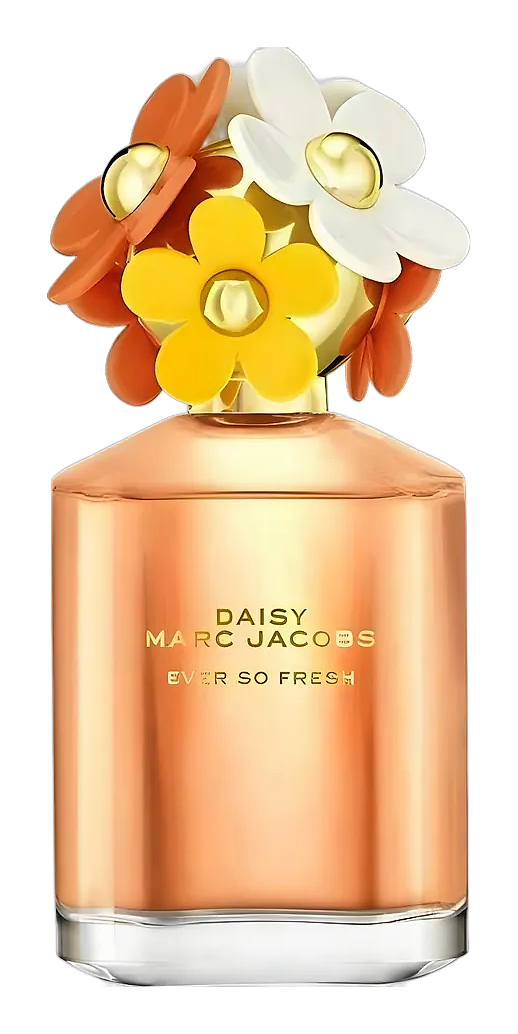
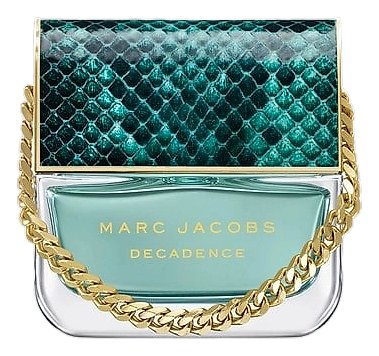
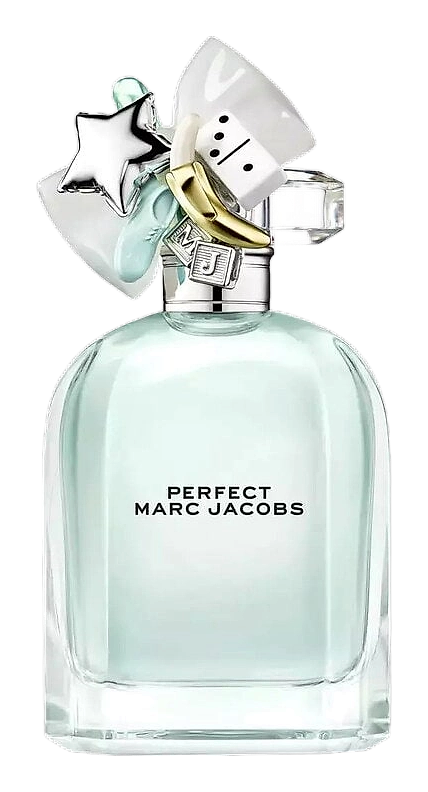
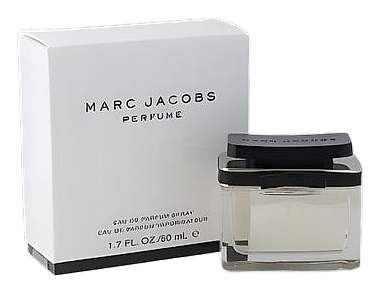
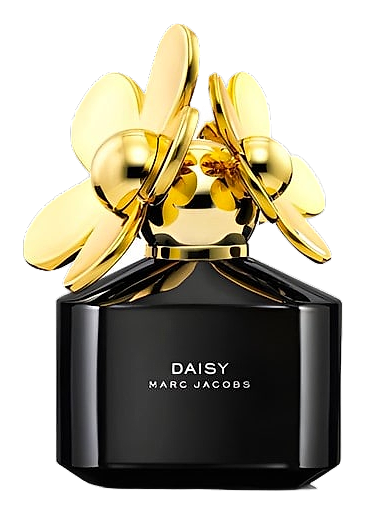
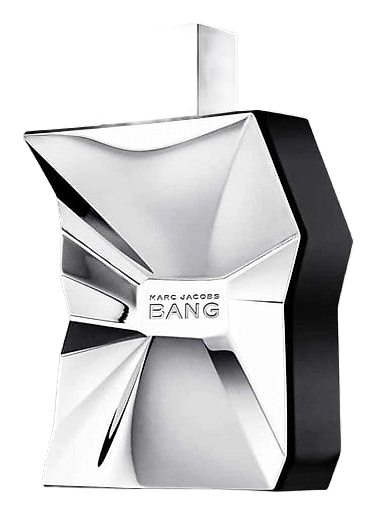
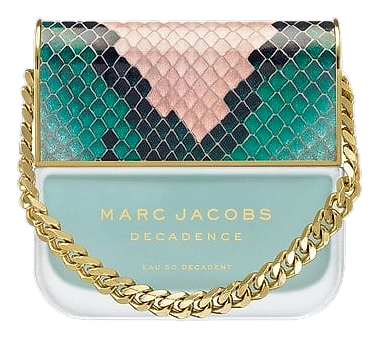
Marc JacobsMarc Jacobs fragrances, produced under license by Coty, launched in 2001 with Marc Jacobs for Women, followed by a companion men's scent in 2002. The brand has since built an extensive portfolio of fragrances anchored by signature lines including Daisy (2007), Lola (2009), Decadence (2015), and Perfect (2020). Daisy, named after Daisy Buchanan from F. Scott Fitzgerald's The Great Gatsby, quickly became a defining success for the brand, spawning numerous flankers and variations across multiple collections. The line's visual identity, with its oversized daisy cap atop a clean bottle, became one of the most recognizable silhouettes in contemporary perfumery. Decadence introduced a handbag-shaped bottle on a gold tasselled chain, a notably unconventional vessel for fragrance at the time of its launch. The brand has collaborated with a broad roster of perfumers over the years, including Annie Buzantian, Ann Gottlieb, Steve DeMercado, Loc Dong, Alberto Morillas, and Calice Becker, among many others. Marc Jacobs fragrances are available at major department stores worldwide and online.
The Creator
Vera Vanore & Mathieu NardinVanore's signature leans toward clarity and restraint. She has shown particular comfort with fresh, green accords, as seen in her Cucumber work for Marc Jacobs, where she translated something as simple as a cucumber into a wearable fragrance concept.