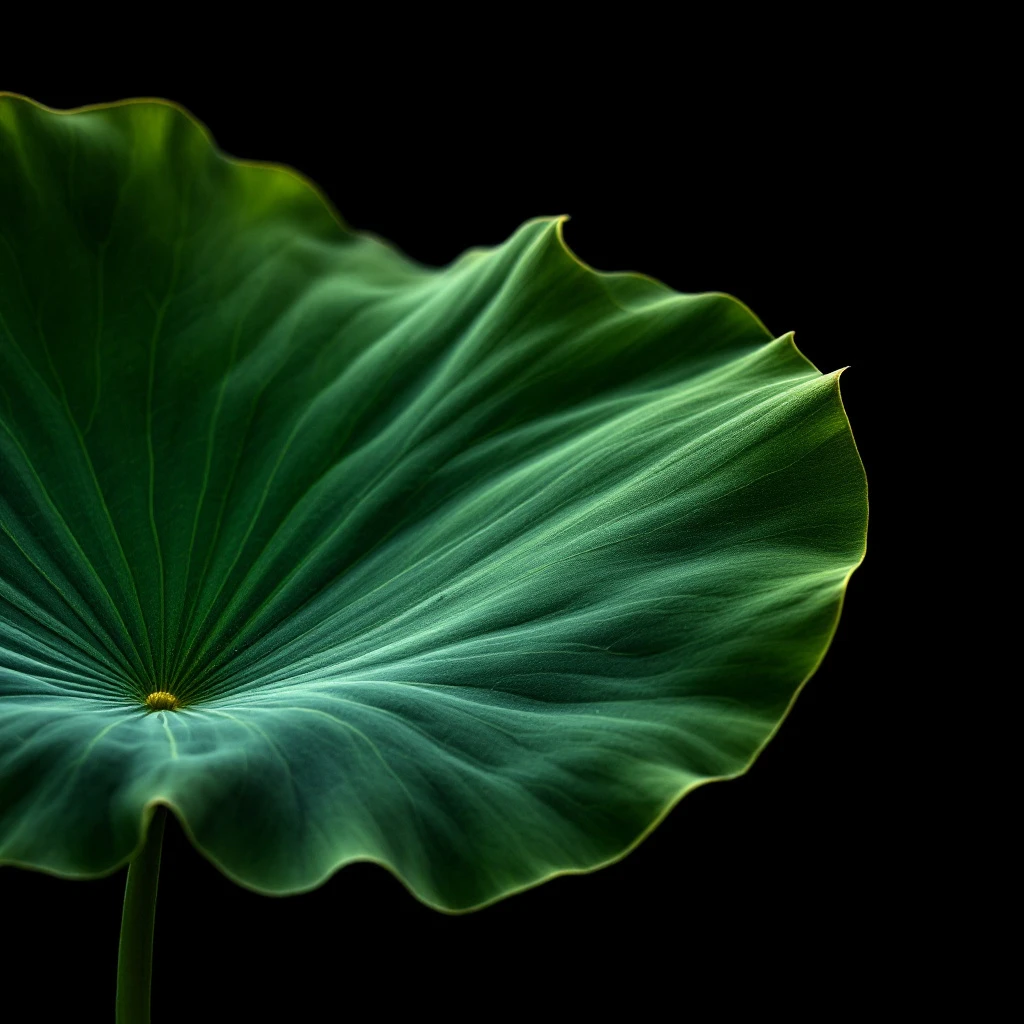
Lotus Leaf
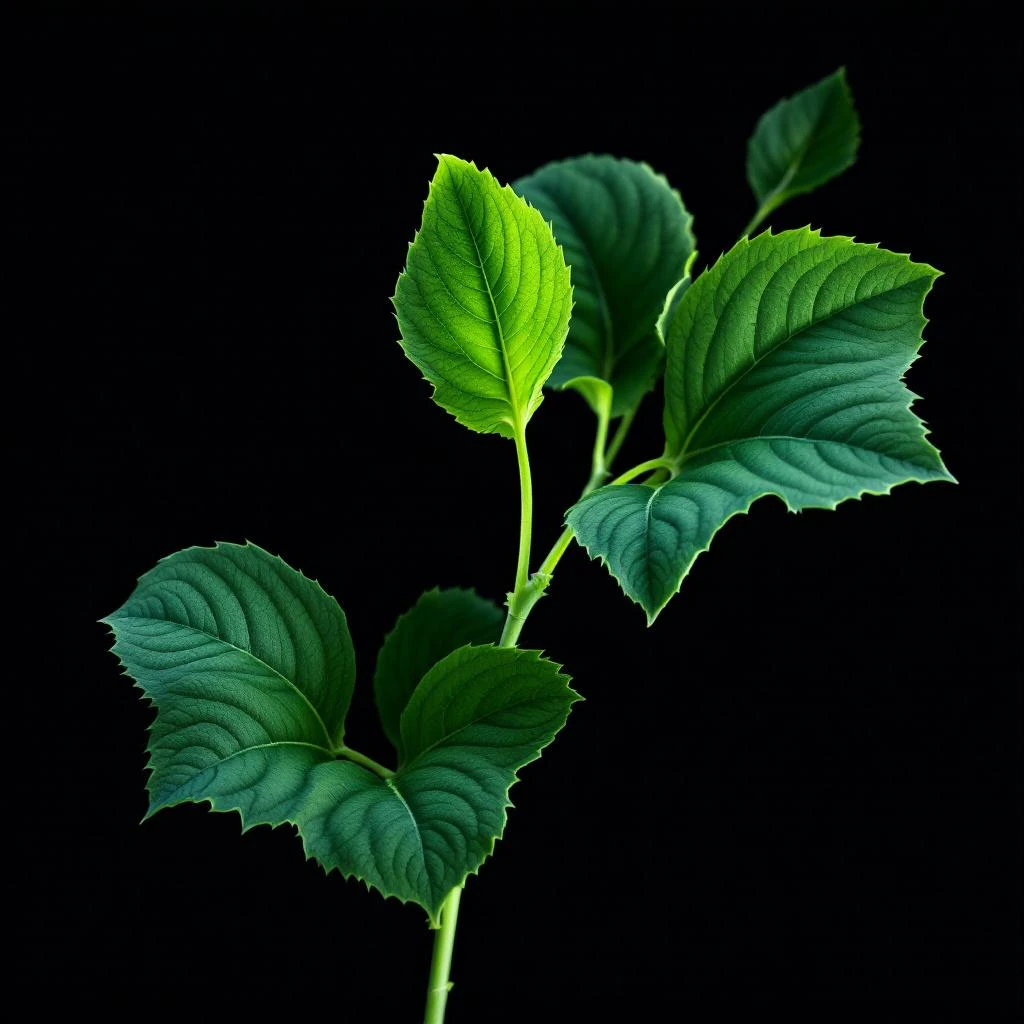
Fresh from the still surface of a pond, lotus leaf offers perfumers its crisp, green-aquatic character: the scent of clean water meeting living plant, captured in a bottle's opening notes.
Character
How it smells
Fresh, green, aquatic. Pond meets plant.
Lotus leaves repel water so effectively that droplets bead up and roll off entirely, carrying dust with them in a phenomenon called the lotus effect, which engineers study for self-cleaning surfaces.






Origin
India
Nelumbo nucifera, the sacred lotus, has anchored Asian spiritual practice for over 3,000 years, particularly in India where it symbolizes purity and divine emergence from muddy water. While perfumers traditionally favored the flower, traditional medicine systems used all parts of the plant, including leaves brewed for their cooling properties. The lotus leaf's reputation for purity stemmed partly from how water beads and rolls off its surface, leaving it apparently dry and clean.
Perfumery adopted lotus leaf as a distinct ingredient only in the late 20th century, when the quest for fresh, aquatic fragrance notes led formulators to explore beyond the traditional flower. Today, lotus leaf occupies a specific niche: the perfumer's tool for conveying pristine, just-opened freshness in aquatic and green compositions.
Wears it best
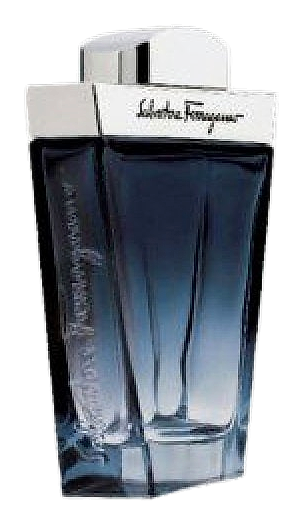
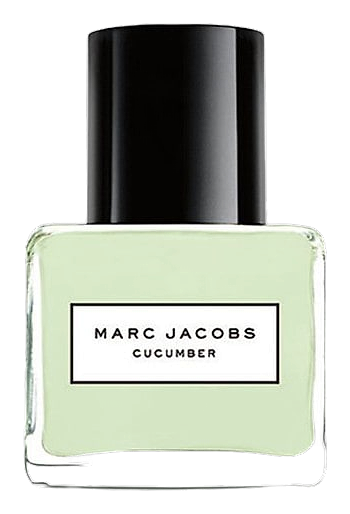
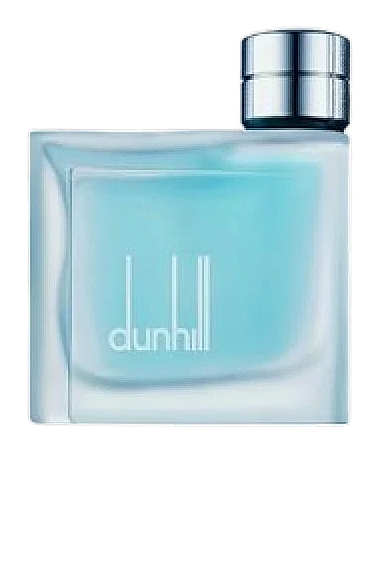
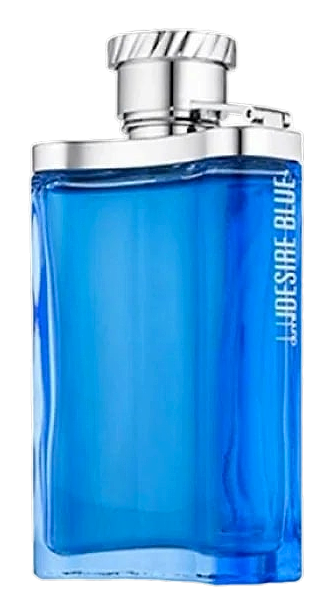
Fragrances featuring Lotus Leaf
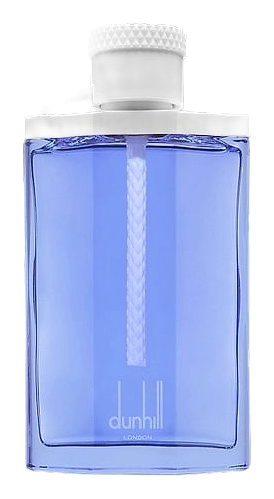
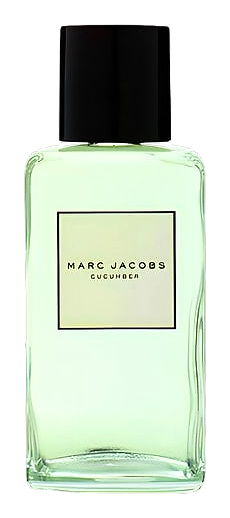
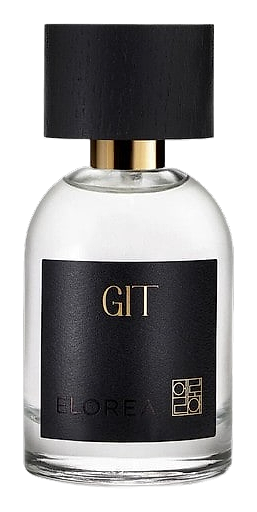
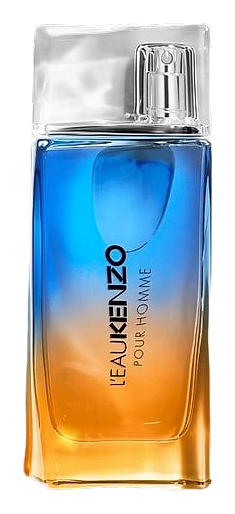
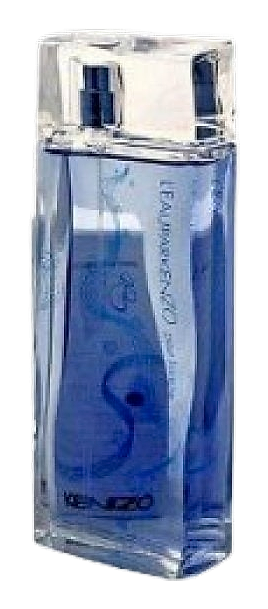
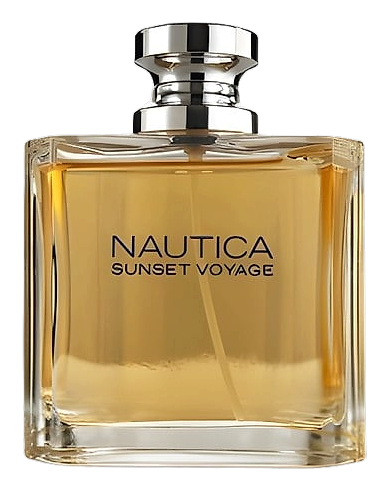
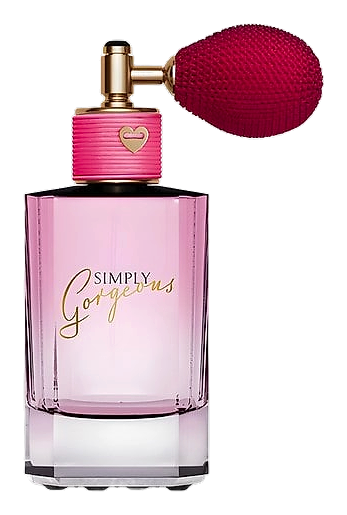
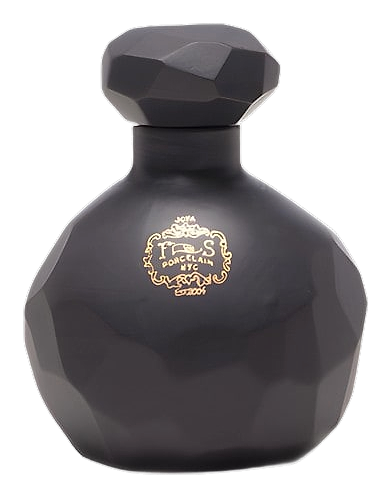
Brands
Brands known for Lotus Leaf
Good to know
Questions, answered
The essentials on Lotus Leaf in perfumery: how it smells, where it comes from, and how it behaves on skin.
What does lotus leaf smell like?
Lotus leaf delivers fresh, green, and aquatic notes. Imagine the scent of breaking the surface of a still pond and inhaling the immediate freshness of crushed leaf and clean water.
How does lotus leaf differ from lotus flower in perfumery?
Lotus flower offers sweet, spiritual, and slightly fruity qualities, while lotus leaf provides a cleaner, more vegetal, and aquatic character that reads as green and watery rather than floral.
How is lotus leaf extracted for fragrance use?
Solvent extraction produces the most true-to-nature lotus leaf absolute, capturing its delicate green-aquatic compounds. Steam distillation yields minimal material, making solvent methods the industry standard.
Where does lotus leaf originate from?
Nelumbo nucifera grows natively across South and East Asia, with primary cultivation in India, China, Thailand, and Vietnam, where shallow ponds and wetlands provide ideal growing conditions.
What fragrance families use lotus leaf?
Lotus leaf appears primarily in aquatic and green fragrances, valued for its ability to add freshness and a watery-green lift to top notes without heaviness or sweetness.
How long has lotus leaf been used in perfumery?
While lotus flowers have been used in perfumery for centuries, lotus leaf as a distinct perfumery ingredient emerged only in the late 20th century when demand for aquatic freshness drove experimentation.
What role does lotus leaf play in fragrance formulas?
Lotus leaf functions as a top-note modifier, adding freshness and a clean, green-aquatic character that brightens compositions and creates an impression of pristine water and living plant.
Is natural lotus leaf available, or is it typically synthetic?
Natural lotus leaf absolute remains uncommon and costly. Most commercial lotus leaf fragrance materials are synthetically reconstructed using molecules like cis-3-hexenol and ionones to reliably capture its characteristic fresh-green profile.