The Story
Why it exists.
The beginning
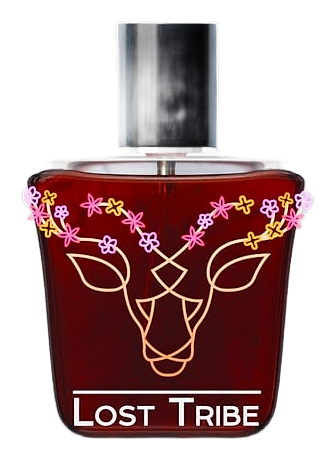
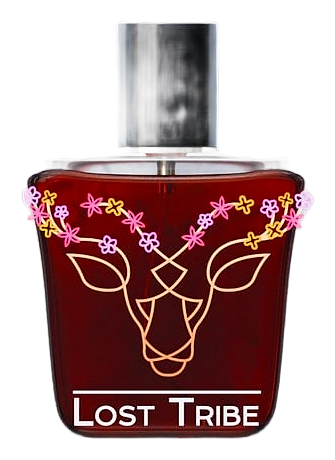
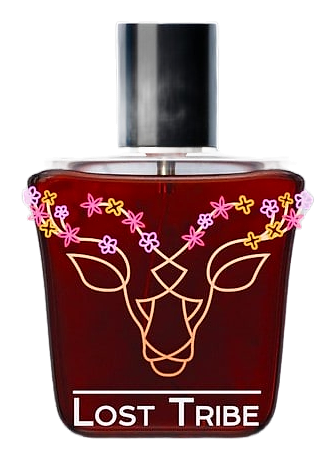
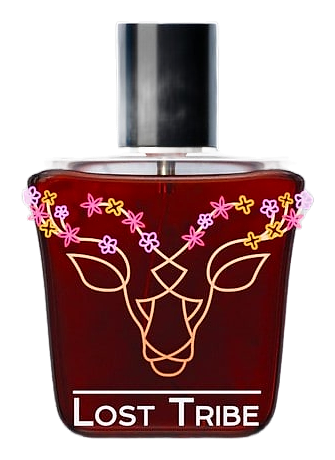
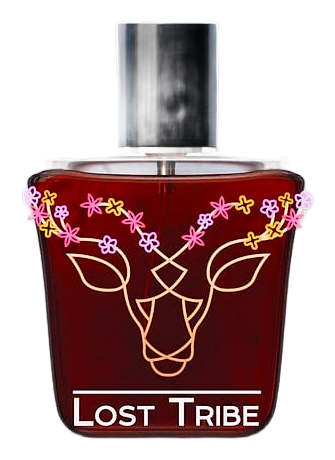
Oud of Oz arrived in 2023 from Mathew Schmuelian, the nose and brand owner behind Lost Tribe. The premise was simple and a little playful: pair two materials that rarely share the same sentence. Osmanthus, the golden apricot-leather note, and Malaysian oud, the dark resinous wood that anchors a thousand Middle Eastern compositions. Schmuelian's bet was that these two could coexist without one swallowing the other. The name carries an off-kilter energy all its own, a wink toward somewhere far from the usual oud territory, where familiar materials behave in unexpected ways. Osmanthus brings its sun-warmed, almost edible sweetness, that cured-apicot depth with a touch of soft leather, while the Malaysian oud offers resinous darkness and a faintly barnyard funk that serious oud lovers chase.
Most osmanthus-forward fragrances lean into the note's leathery, dried-fruit side, the aged apricot, the tobacco-leaf warmth. Oud of Oz deliberately pulls the opposite direction. Fresh yuzu, rose otto, and white ambergris in the top give the osmanthus a bright, almost aquatic lift before the oud even arrives. The Malaysian oud and Mysore sandalwood in the base then provide structural gravity that keeps all that fruit from floating away. Blue lotus and magnolia in the heart add a cool floral undertow.
The evolution
The first fifteen minutes are a green, fizzy introduction. Yuzu and star anise cut sharp, rose otto softens the edges, and osmanthus begins its slow bloom underneath, less apricot leather, more fresh peach skin under cold water. White ambergris gives it a saline float. Around the thirty-minute mark, the composition pivots. Blue lotus and magnolia arrive in a cool floral wash, jasmine sambac threading through quietly, rhododendron adding a faint green-floral shadow. Black caraway brings a dry, slightly bitter edge that keeps the heart from going syrupy. The oud begins to surface here, smoky but restrained, cedar and Mysore sandalwood laying down a creamy floor beneath it. By hour three, the fruit has settled into something deeper. The osmanthus has lost its sharpness and now reads as warm, jammy, almost resinous, like dried apricot that has been left to steep in warm water.
Cultural impact
Oud of Oz has carved out a distinctive space among osmanthus-centered compositions, particularly those that pair the note with oud. Where many osmanthus-oud combinations lean dark and leathery, this one pulls bright, letting the yuzu, rose otto, and white ambergris lift the fruit before the wood settles in. The result is a composition that feels meditative rather than aggressive, the oud's gravity present but softened by the bright, almost aquatic opening and the cool florals of the heart.