Black Caraway
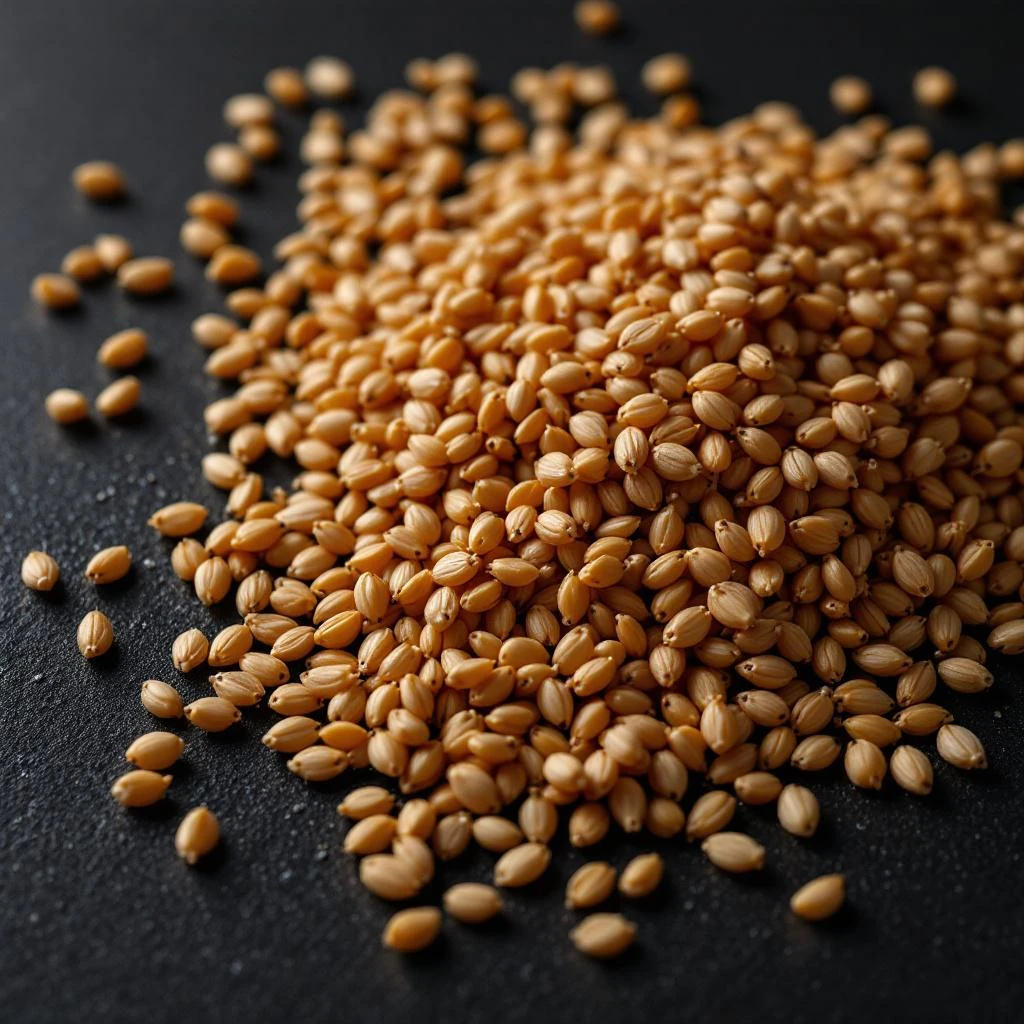
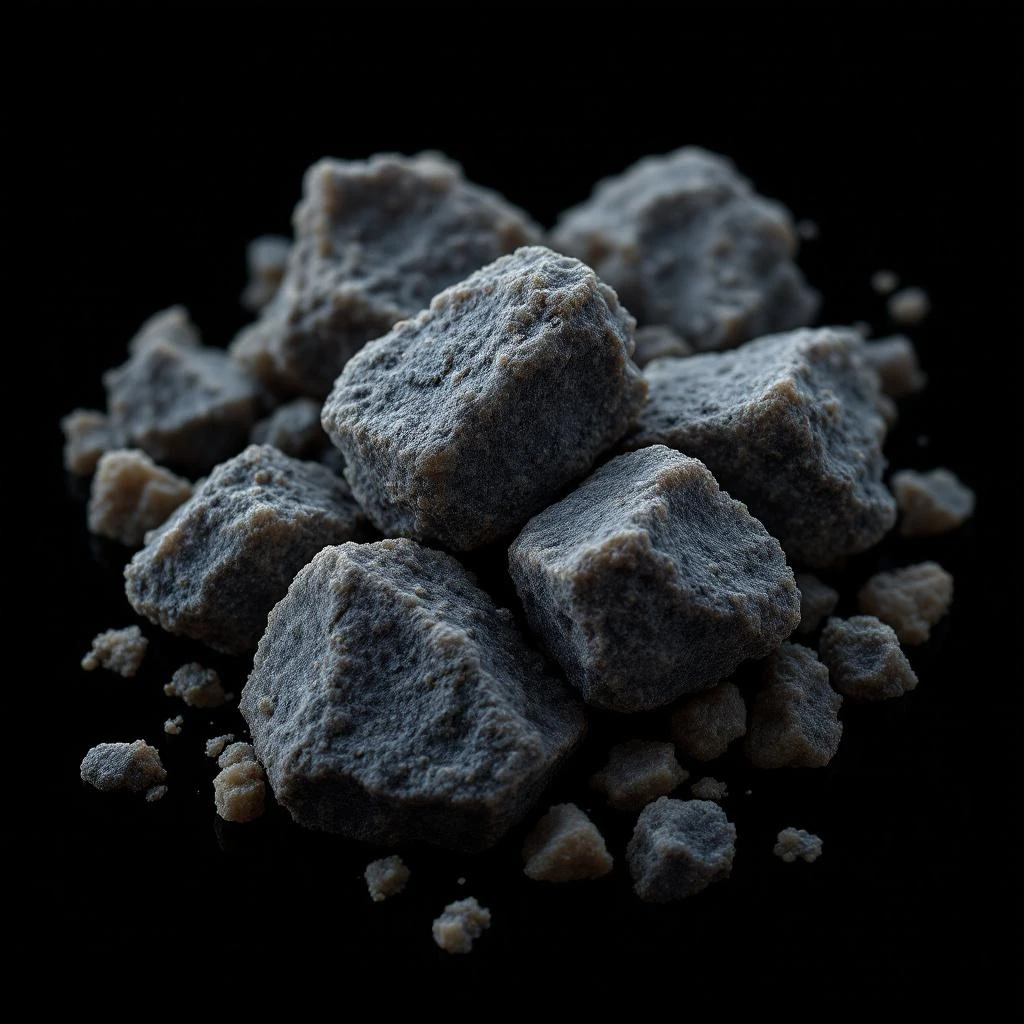
Black caraway brings a warm, spiced complexity to perfumery: anise-edged, peppery, and earthy, with a savory depth that anchors oriental and aromatic compositions.
Character
How it smells
Spice with a smoky secret
Black caraway seeds contain thymoquinone, the same bioactive compound that gives the oil its distinctive aroma and has been studied for centuries in traditional medicine.
Origin
Egypt
Nigella sativa, commonly called black caraway or black seed, carries one of the longest documented histories of any spice still in use. Archaeological evidence places its cultivation in ancient Egypt, where traces of the seeds have been found in tombs dating to the second millennium BCE. The oil appears in traditional Unani, Ayurvedic, and Middle Eastern pharmacopeias, often described as 'the seed of blessing.'
In classical perfumery, black caraway arrived later than its lighter caraway cousin. Perfumers in the late nineteenth and early twentieth centuries began experimenting with Nigella oil for its tenacious, slightly bitter spiced character, particularly in oriental bases and masculine fougère constructions. The note gained traction in niche perfumery during the late twentieth century, valued for adding warmth and a faintly smoky undertone to compositions built around oud, amber, and leather.
Today it remains a specialty ingredient, prized for the way its thymoquinone-rich oil lends an earthy, almost animalic warmth that distinguishes it from common caraway seed.
Wears it best
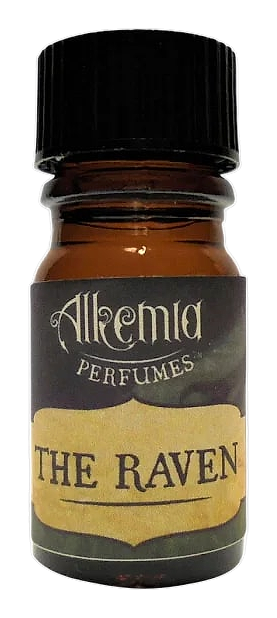
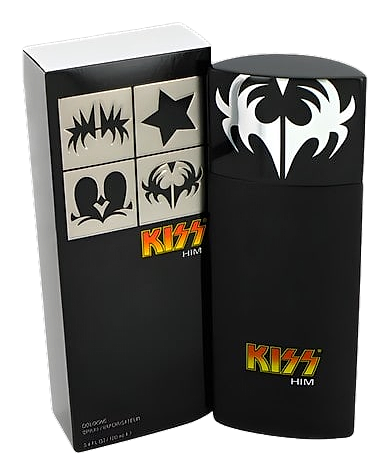
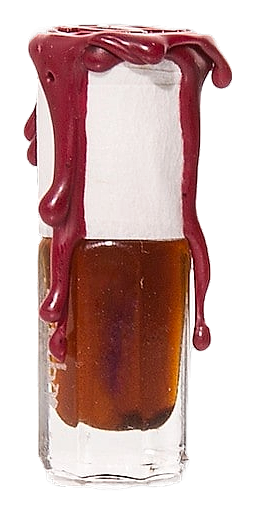
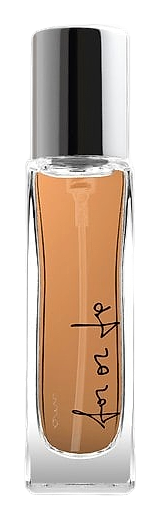
Fragrances featuring Black Caraway

Brands
Brands known for Black Caraway
Good to know
Questions, answered
The essentials on Black Caraway in perfumery: how it smells, where it comes from, and how it behaves on skin.
What does black caraway smell like in perfume?
Black caraway smells warm, spicy, and slightly smoky, with pronounced anise and pepper notes over an earthy base. It reads sharper and more pungent than common caraway seed oil.
Is black caraway the same as nigella seeds?
Yes. Black caraway refers to the seeds of Nigella sativa, also called black seed, kalonji, or 'seed of blessing.' It is botanically unrelated to true caraway (Carum carvi), though the names overlap in culinary tradition.
Where is black caraway essential oil produced?
Egypt leads global output, followed by India, Turkey, and Syria. The plant favors arid soils and Mediterranean climates, and Egyptian seeds typically yield oil rich in thymoquinone.
How is black caraway oil extracted?
Steam distillation of dried, crushed seeds is standard, yielding a pale yellow oil. Supercritical CO2 extraction offers a fuller aromatic profile but is less common due to higher production costs.
What perfume families use black caraway?
Black caraway appears most often in oriental, spicy, and fougère compositions. It adds warmth and depth to bases built on oud, amber, leather, and tobacco accords.
How long does black caraway scent last on a blotter?
Black caraway oil shows moderate to good tenacity, typically lasting 8 to 12 hours on a fragrance blotter. Its base notes of earthy thymoquinone provide longer anchoring than the top spices.
Is black caraway safe in fragrance?
When properly diluted at perfumery concentrations, black caraway oil is generally considered safe for skin application. It is a recognized cosmetic ingredient in both IFRA and EU cosmetic databases.
Can black caraway replace regular caraway in a formula?
Not directly. Black caraway (Nigella sativa) carries more thymoquinone and a smokier edge than true caraway (Carum carvi), which leans toward bright, sweet anise. Formulators often use both for layered spice effects.