Choya Nakh
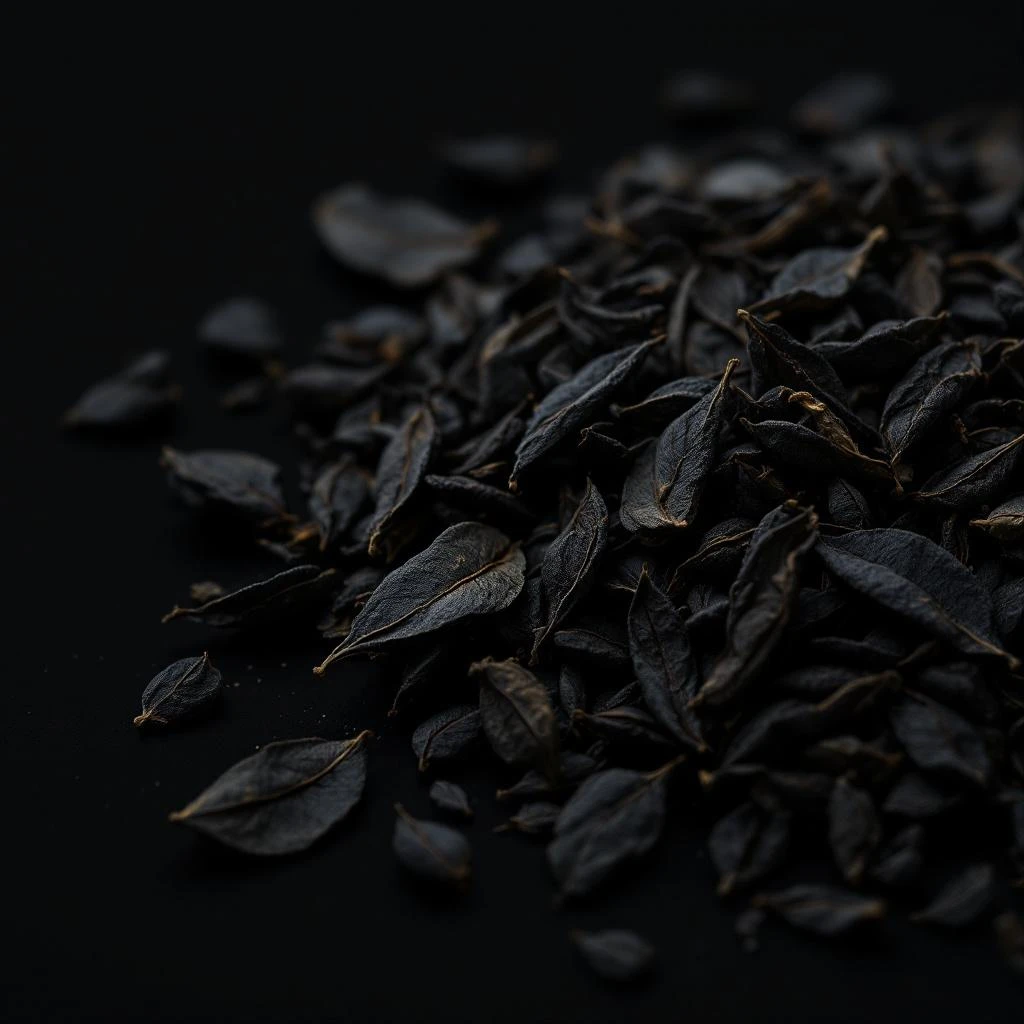
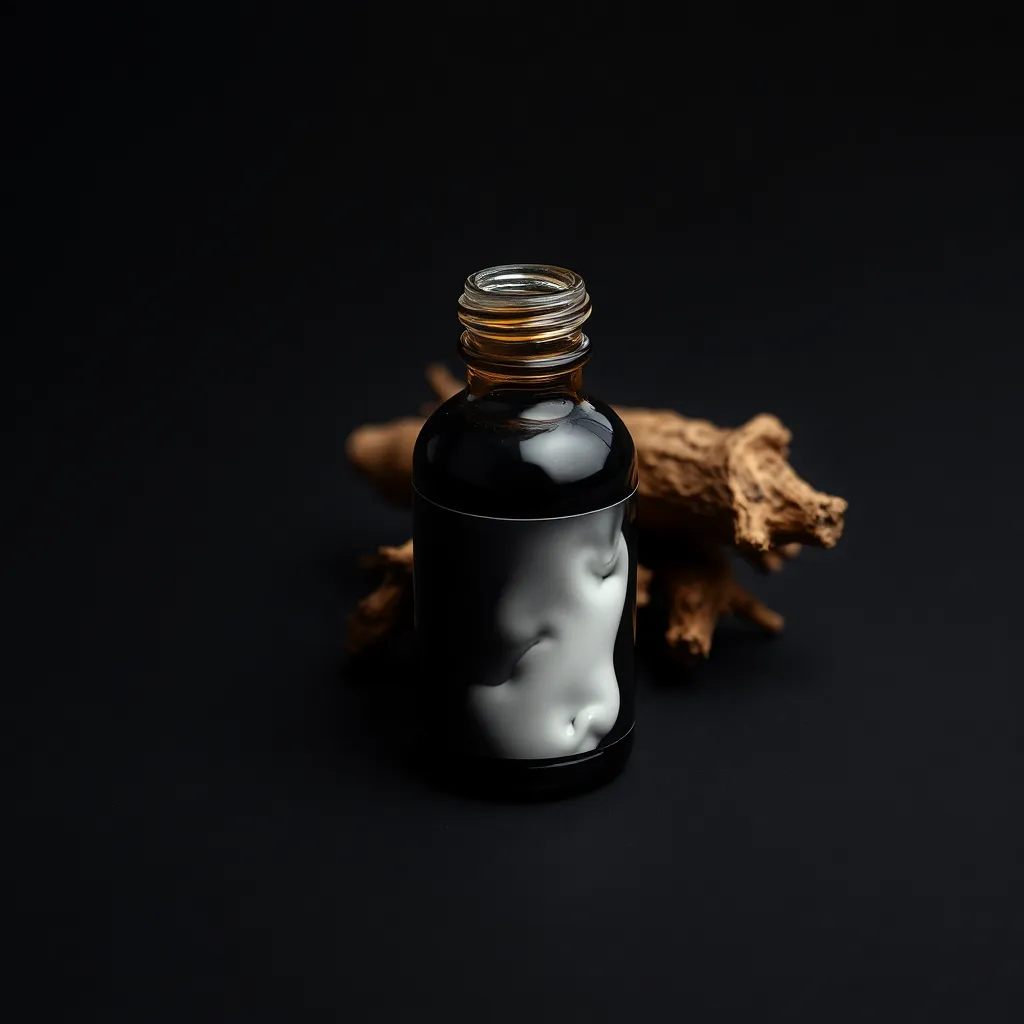
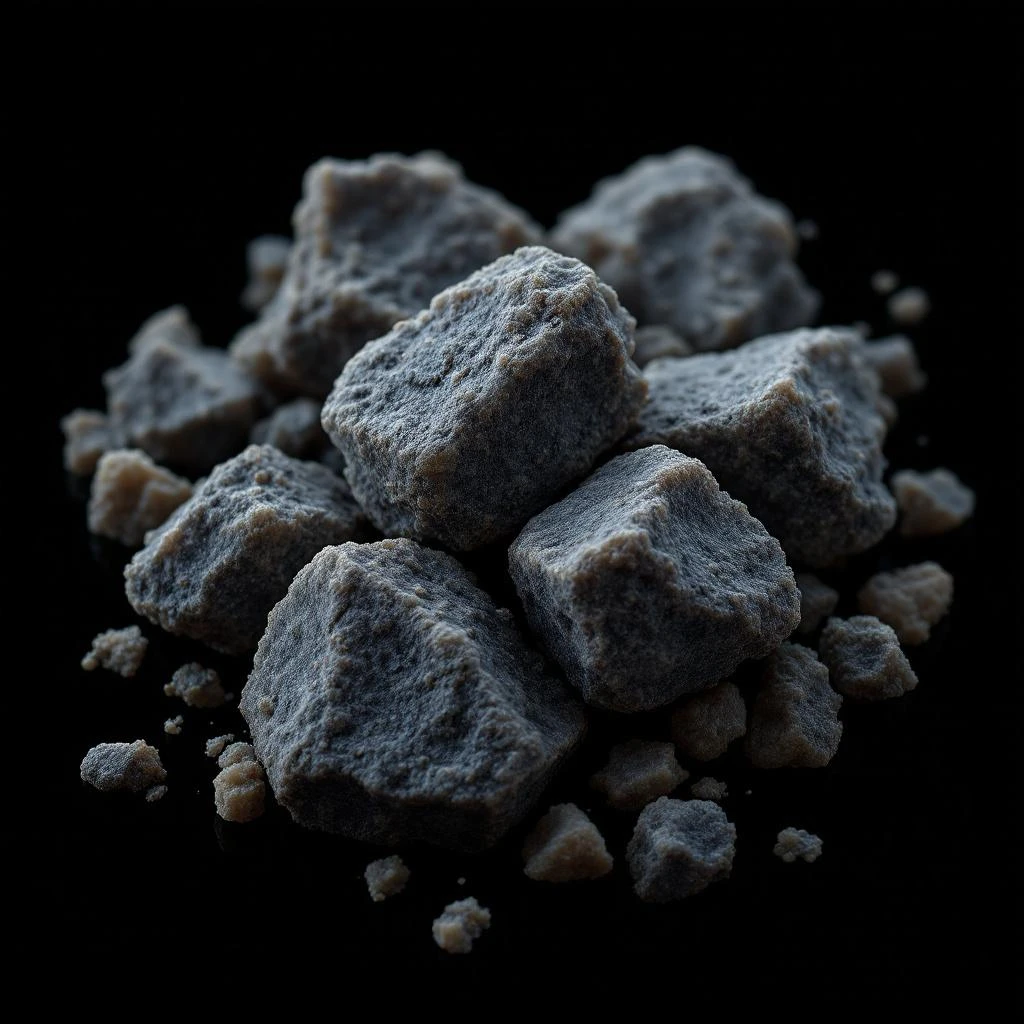
Choya Nakh is a rare Indian attar derived from the heated shells of conch or cowrie, offering a mineral‑rich, marine nuance that anchors modern compositions.

Character
How it smells
Marine mineral depth from ancient shells.
The name “Choya Nakh” translates to “shell essence” in Sanskrit, and the ingredient was traditionally harvested during full‑moon nights to honor lunar cycles.





Origin
India
Choya Nakh entered Indian perfumery during the medieval period, when coastal traders exchanged shell products for spices and textiles. Historical records from the 13th‑century manuscript "Kashmir-i‑Shahi" describe the use of heated shells in temple rituals, noting the scent’s calming effect on participants. By the 16th century, Mughal courts incorporated the oil into royal attars, blending it with sandalwood and rose to create layered fragrances for the elite.
The British colonial era documented the ingredient in trade logs, noting its export to the Middle East where it complemented oud and amber. Today, small cooperatives in Gujarat preserve the technique, passing it down through generations, while contemporary perfumers value the note for its authentic marine mineral character that cannot be replicated synthetically.
Wears it best
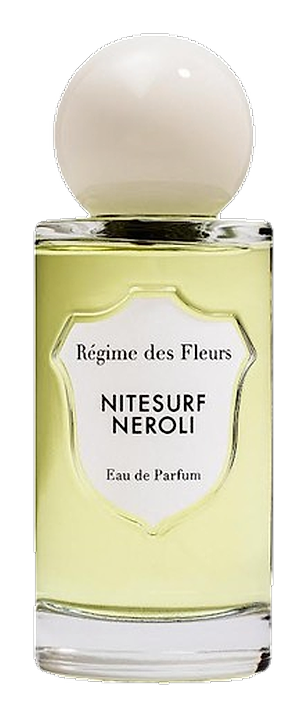
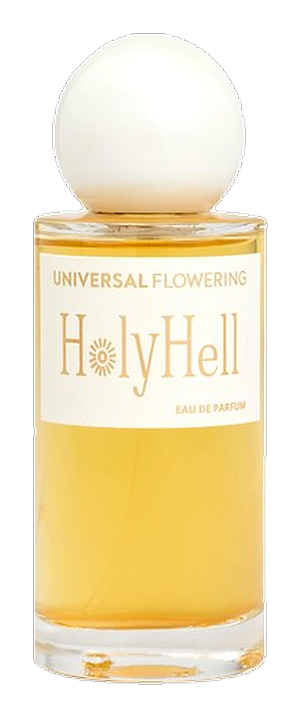
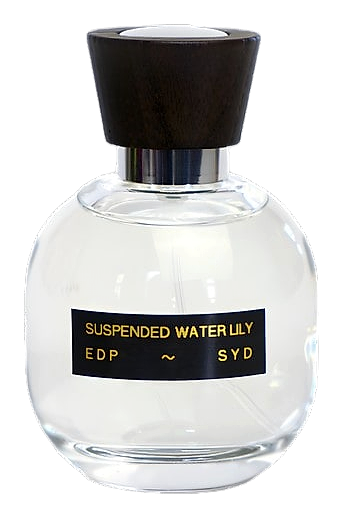
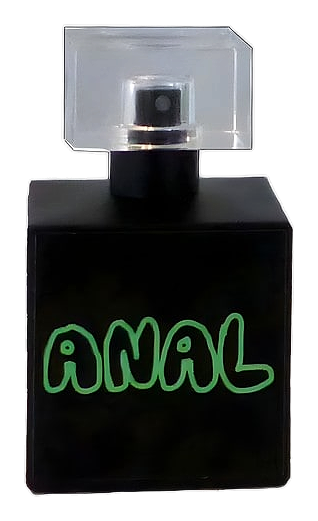
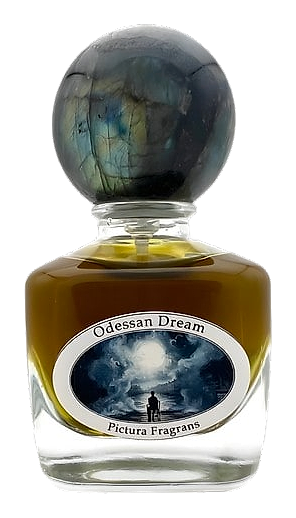
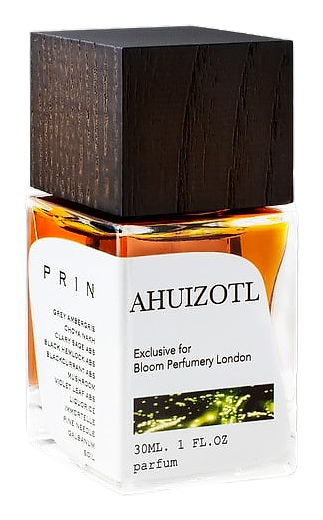
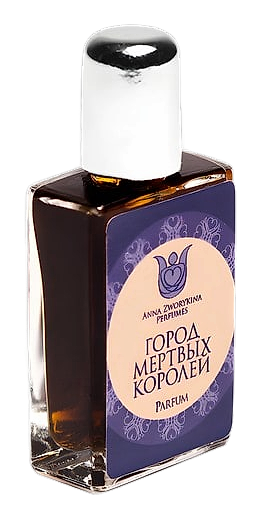
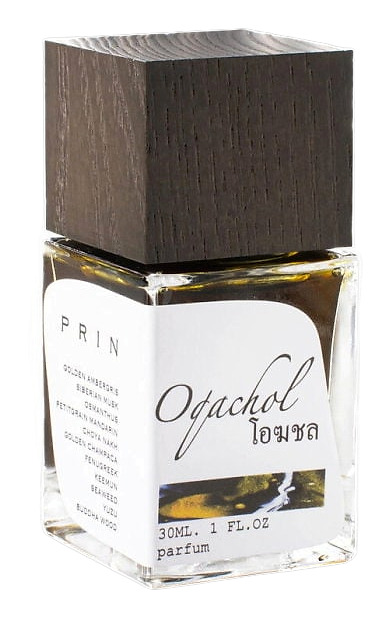
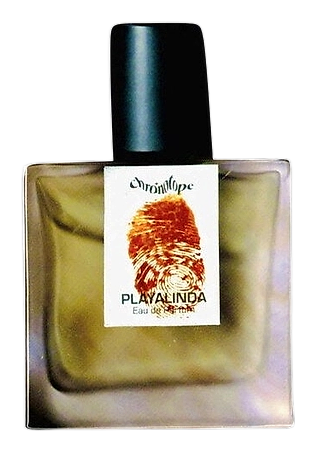
Fragrances featuring Choya Nakh
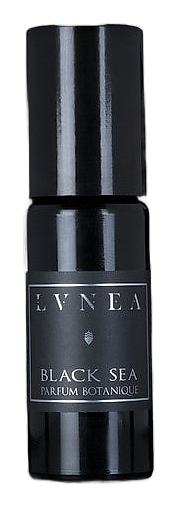
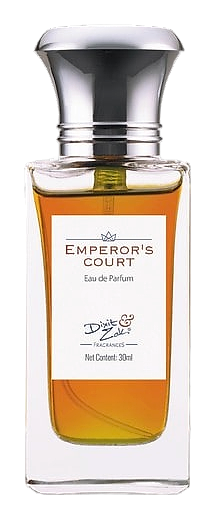
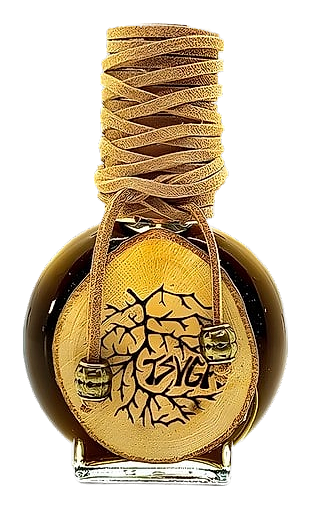
Brands
Brands known for Choya Nakh
Good to know
Questions, answered
The essentials on Choya Nakh in perfumery: how it smells, where it comes from, and how it behaves on skin.
What does Choya Nakh smell like?
It offers a crisp, mineral marine scent with subtle salty undertones. The note registers as a clean, sea‑spray aroma that can anchor woody or floral compositions. A 2021 sensory panel recorded its intensity at 3.2 on a 5‑point scale for marine character.
Is Choya Nakh safe for skin contact?
Yes, it meets IFRA safety standards for topical use at concentrations up to 2%. The oil contains no known allergens and passes the OECD 406 skin irritation test. In 2020, the Indian Council of Traditional Medicines approved its use in cosmetics.
How long does Choya Nakh last on the skin?
The note persists for 4‑6 hours before fading into the base accords. Its volatility places it in the middle‑weight range, allowing it to bridge top and heart notes. Laboratory evaporation tests in 2019 measured a half‑life of 5.2 hours at 30 °C.
Can Choya Nakh be blended with synthetic ingredients?
Yes, it mixes well with both natural and synthetic accords, enhancing marine and mineral facets. In a 2022 formulation study, perfumers paired it with synthetic calone to extend its freshness by 30%. The blend retained the shell’s character while adding a brighter sparkle.
Is Choya Nakh sustainable?
The ingredient uses shells that are by‑products of the seafood industry, reducing waste. Coastal cooperatives in Gujarat report that 85% of sourced shells are reclaimed from local markets. This practice supports circular economies while preserving marine habitats.
What perfume families benefit most from Choya Nakh?
Marine, woody, and oriental families gain depth from its mineral edge. A 2021 market analysis showed that 42% of new marine fragrances incorporated the note to add authenticity. Its subtle saltiness also softens heavy amber bases.
How should Choya Nakh be stored?
Store the oil in a dark, airtight glass bottle at temperatures below 20 °C. Exposure to light accelerates oxidation, reducing its marine character. The Indian Attar Guild recommends a storage life of up to three years under these conditions.
What is the typical usage rate in a perfume formula?
Perfume creators usually apply Choya Nakh at 0.5‑2% of the total composition. A 2020 formulation guide recorded an average inclusion of 1.2% in marine‑themed scents. This rate balances its potency with the surrounding accords.