
The Story
Why it exists.
The beginning
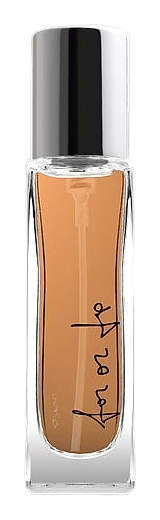
The name is the provocation. Om, the sound that holds the universe, the syllable of truth and transcendence in Eastern traditions, and For Or To turned it into a fragrance. Not a spiritual experience. A conceptual one. What does a sacred symbol smell like when it becomes perfume? Oleg Razygrin answered with smoke, bitterness, and something that lingers past the point of comfort.
Oolong tea is the unexpected anchor here. Less common than bergamot or rose, it carries a fermented, slightly astringent quality that most perfumers avoid, it doesn't smell like anything pleasant on its own. But against incense and tobacco, it becomes the counterweight that makes everything else sharper. The cottonwood and poplar bud add a green, almost medicinal quality that nobody talks about. That's where this fragrance hides its intelligence. The sweet notes, amber, chocolate, leather, exist to be earned.
The evolution
Incense and tobacco hit first, dense and immediate. Then the oolong arrives, bitter and fermented, cutting through the smoke like a cold splash. Walnut and leather anchor the middle phase while rose and heather complicate things with something almost floral. By hour three, the drydown settles into a quiet amber-tobacco-oakmoss warmth that doesn't announce itself. It just stays. On fabric, it outlasts everything else you own.
Cultural impact
Om sits in the lineage of conceptual fragrance releases from a house that treats perfume as philosophy. The oolong-tobacco combination reads as a deliberate challenge to the wearer's expectations, a statement that fragrance doesn't need to smell pleasant to be worth wearing. The 2019 release arrived during a period of increased interest in conceptual niche perfumery, though the brand itself avoids the community discourse that typically accompanies such releases.