Cottonwood
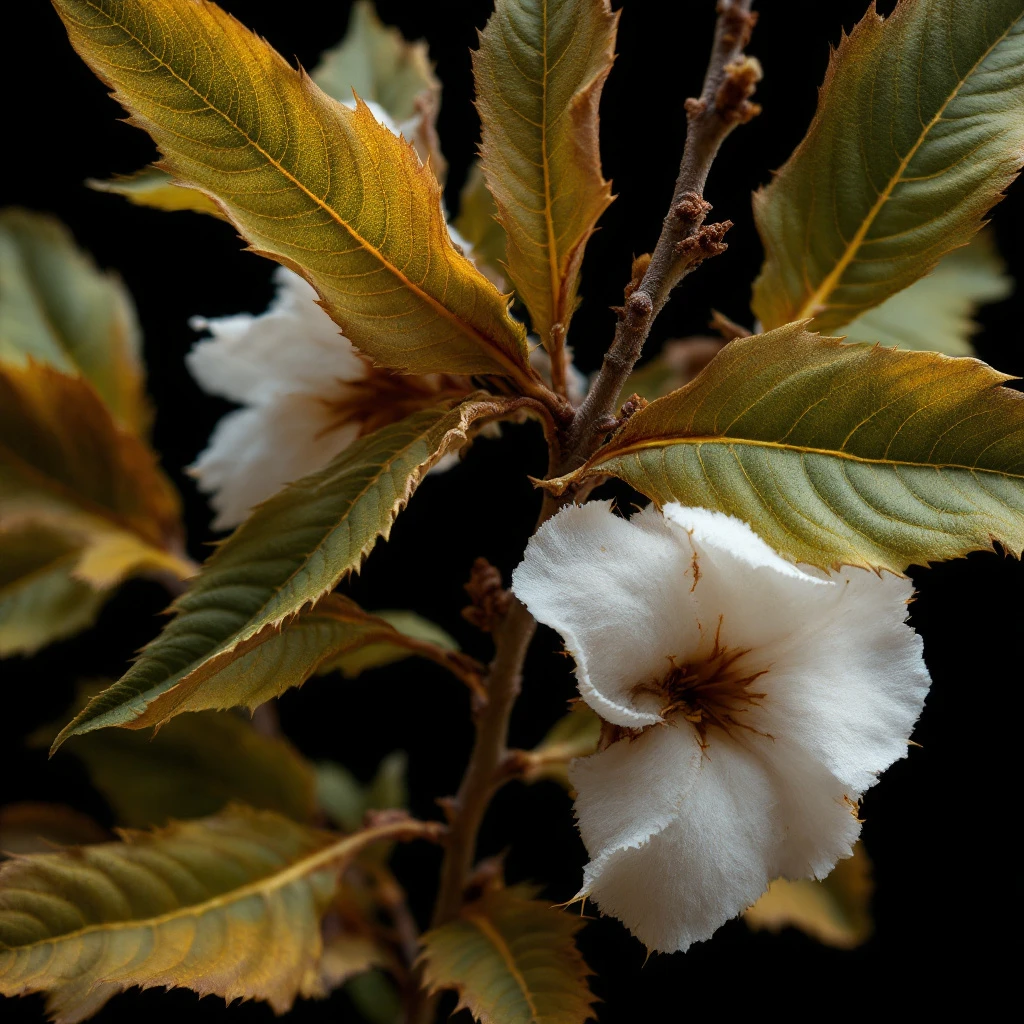
Cottonwood captures the quiet strength of North American riverbanks where these majestic trees have stood for millennia. Perfumers prize the sticky, resinous buds for their warm, slightly sweet aroma that bridges green and woody, finding its place in compositions that seek authentic natural character.
Character
How it smells
Riverbank resin in a bottle.
Cottonwood buds contain salicin, the same compound that led to aspirin's development.



Origin
United States
Cottonwood trees held practical meaning for Indigenous peoples across North America. Tribes used cottonwood bud preparations as traditional remedies, particularly for inflammation and pain. They rendered the buds with fats to create medicinal salves used on joints and muscles.
Western expansion brought settlers to cottonwood's riverbanks, and they adopted similar preparations for herbal healing. The species Populus deltoides, eastern cottonwood, became one of the continent's most recognizable trees, its cottony seed pods a summer signature. By the early botanical medicine era, aromatherapists and herbalists documented cottonwood bud's properties extensively.
Contemporary natural perfumers revived interest in the ingredient, seeking distinctively North American aromatic materials with authentic regional character. The buds now appear in niche fragrances that value genuine natural origin over synthetic substitutes.
Wears it best
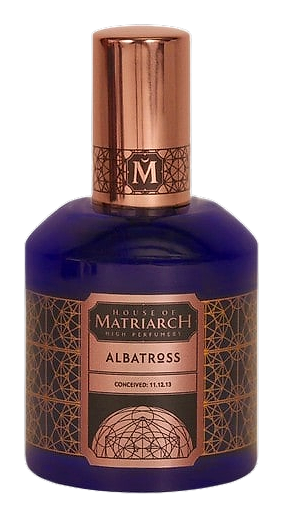
Fragrances featuring Cottonwood

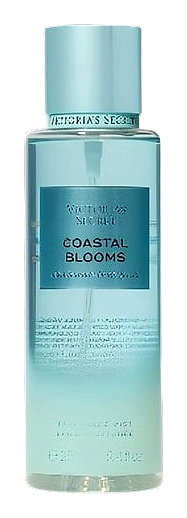
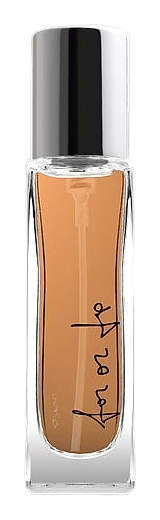
Brands
Brands known for Cottonwood
Good to know
Questions, answered
The essentials on Cottonwood in perfumery: how it smells, where it comes from, and how it behaves on skin.
What does cottonwood smell like?
Cottonwood has a warm, balsamic scent with slight sweetness and resinous undertones. The aroma balances green, slightly medicinal qualities against soft, woody warmth.
Is cottonwood a natural or synthetic ingredient?
Cottonwood exists as a natural material. Perfumers obtain it through solvent or supercritical CO2 extraction from the sticky buds of Populus trees native to North America.
Which parts of the cottonwood tree are used in perfumery?
Perfumers use the resinous buds harvested in late winter and early spring. These small, sticky growths contain the concentrated aromatic compounds the tree produces before leafing out.
What family of aromatic compounds does cottonwood contain?
Cottonwood buds contain phenolic compounds, terpenes, and salicin derivatives. These contribute to the ingredient's characteristic warm, slightly medicinal aroma profile.
How is cottonwood harvested for perfumery?
Harvesting occurs by hand-picking the small buds directly from tree branches. This labor-intensive process typically takes place before the buds swell and open in spring.
Where does cottonwood grow naturally?
Cottonwood trees grow naturally across North America, from eastern to western regions. Eastern cottonwood (Populus deltoides) thrives along riverbanks throughout central and eastern United States.
Does cottonwood appear in many fragrances?
Cottonwood remains a relatively rare ingredient, found mainly in artisan and niche fragrances. Larger perfume houses rarely use it, which gives compositions featuring the material distinct natural character.
Can cottonwood absolute be substituted?
No direct substitute replicates cottonwood's unique profile. Poplar bud absolute offers a similar balsamic character from the same botanical family and could approximate the effect in a composition.