White Vetiver
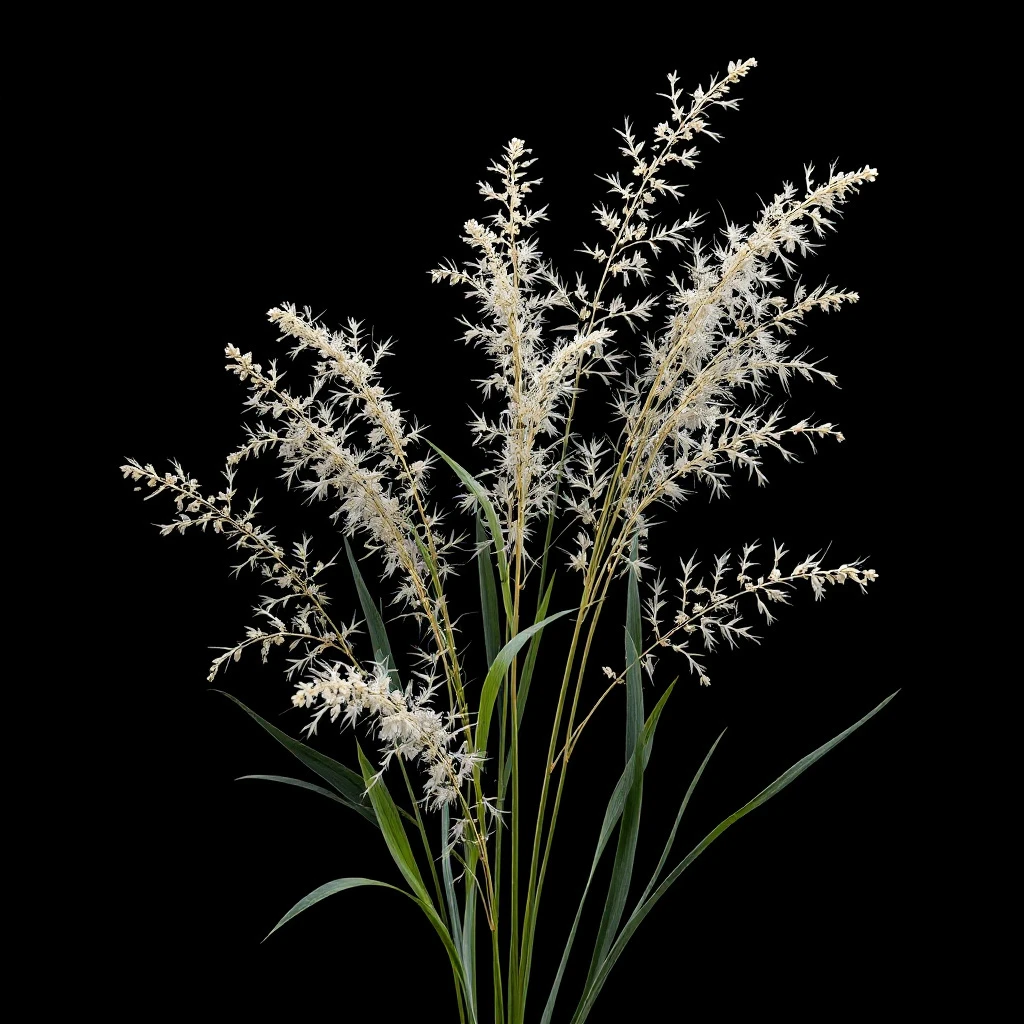
White Vetiver distills the essence of Chrysopogon zizanioides roots into a refined, smoky-woody base note that perfumers rely on to anchor compositions for hours. This luminous extraction captures vetiver's most elegant facets.
Character
How it smells
Smoky, woody, and endlessly anchoring.
A single kilogram of vetiver oil requires processing approximately 50 kilograms of dried roots.







Origin
India
Vetiver traces its aromatic heritage to the Indian subcontinent, where Chrysopogon zizanioides grew wild along the banks of rivers and wetlands. Ancient Indian texts reference its use in perfumery and ritual preparations dating back millennia. Civilizations across South Asia valued the root for its ability to impart long-lasting fragrance to textiles and skin.
The ingredient traveled westward along ancient trade routes, reaching the Middle East where perfumers incorporated it into incense blends. By the time of the Babylonian Empire between 1792 and 1750 BCE, vetiver had secured a place in aromatic traditions. Its arrival in European perfumery came later, during the 19th century, when colonial trade routes connected Indian growing regions with French fragrance houses.
Reunion Island began cultivating vetiver commercially around 1900, recognizing that its volcanic soil and tropical climate produced exceptionally high-quality oil with complex aromatic profiles. Today, Haiti, Java, and Reunion Island stand as the primary producing regions, though Indian vetiver remains prized for its distinctive character.
Wears it best
Fragrances featuring White Vetiver
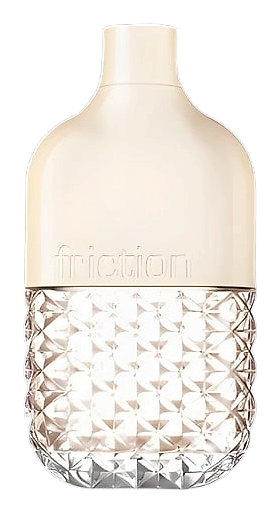
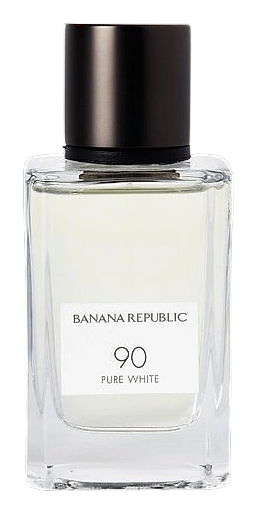
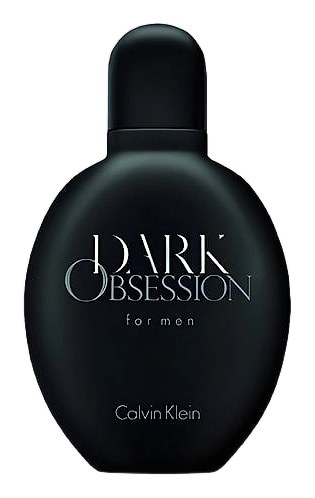
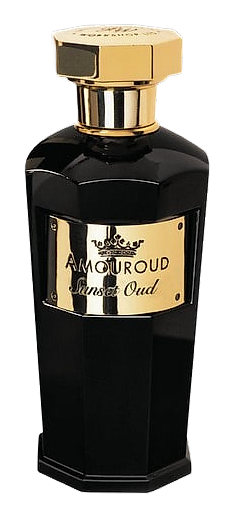
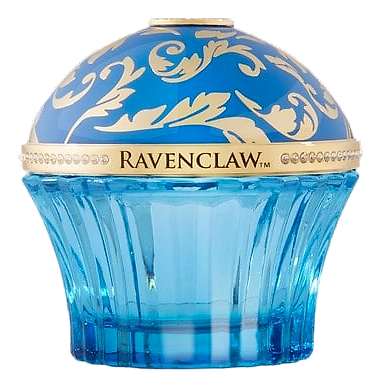
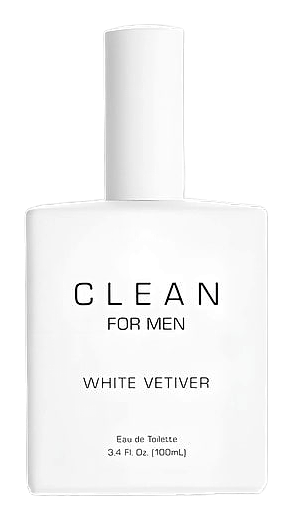
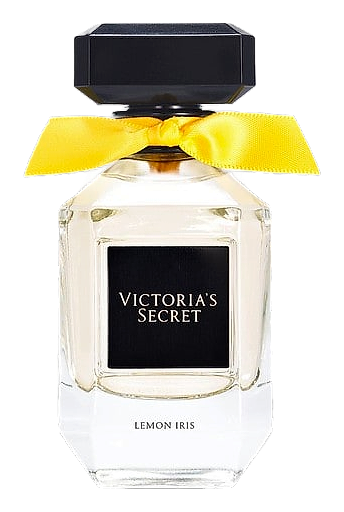
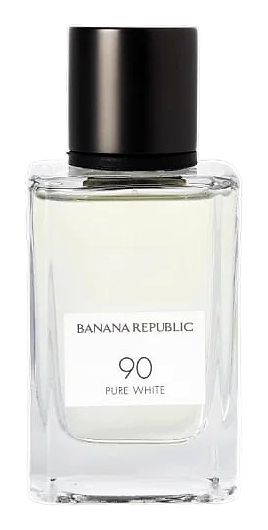
Brands
Brands known for White Vetiver
Good to know
Questions, answered
The essentials on White Vetiver in perfumery: how it smells, where it comes from, and how it behaves on skin.
What does White Vetiver smell like?
White Vetiver smells earthy and woody with distinctive smoky undertones and a subtle citrusy brightness. Its refined profile makes it cleaner and more luminous than darker vetiver extracts, offering dry, ambery warmth without heaviness.
How long does White Vetiver last in a fragrance?
White Vetiver functions as a base note that provides 8+ hours of fragrance persistence on skin. Its molecular weight and density allow it to anchor volatile top notes and remain detectable throughout the dry-down phase.
What makes White Vetiver different from regular vetiver?
White Vetiver refers to a lighter distillation fraction or refined processing that emphasizes the ingredient's clean, citrusy facets over its heavier resinous notes. Standard vetiver tends toward darker, earthier, more complex character profiles.
What ingredients pair well with White Vetiver?
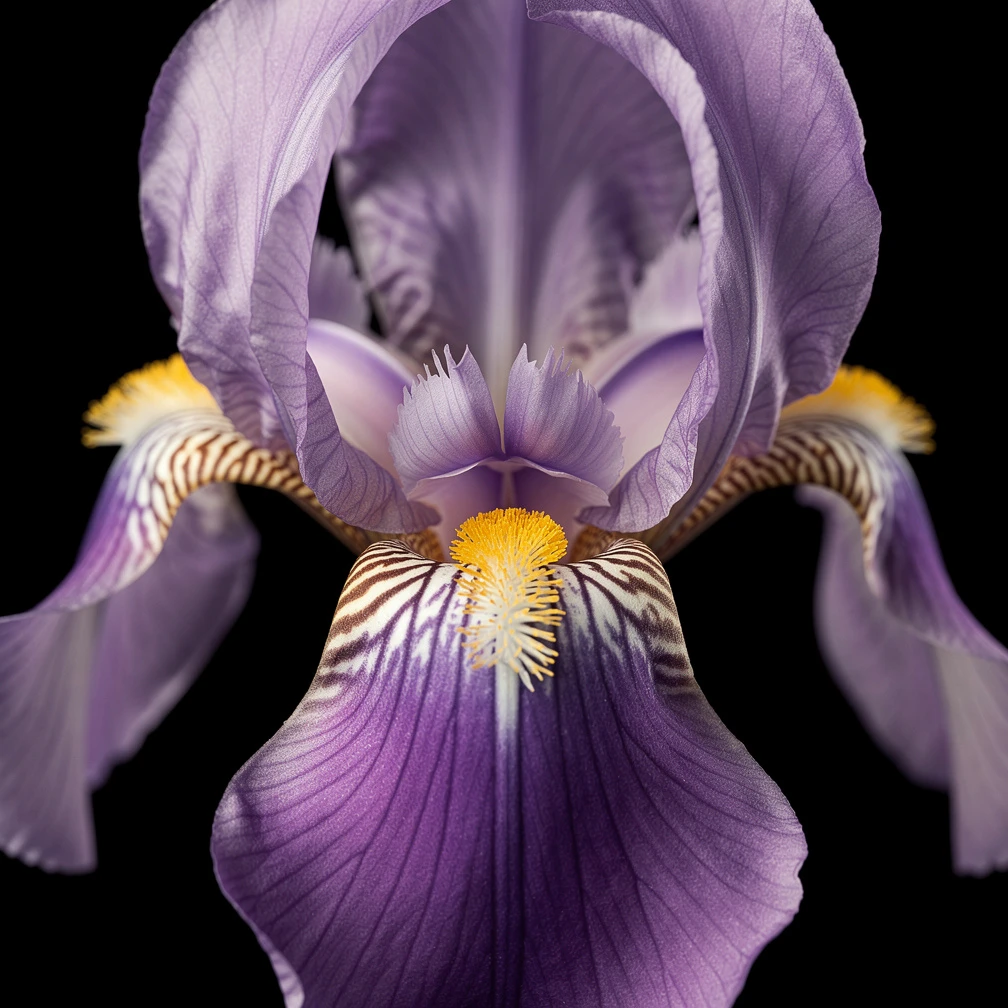
White Vetiver complements citrus oils like bergamot and neroli, floral notes such as iris and rose, and other woody ingredients including cedar and sandalwood. It also pairs beautifully with spices like cardamom and black pepper.
Where does White Vetiver originate?
Chrysopogon zizanioides originates from India, where it grew wild in wetland regions. Modern production centers include Haiti, Java, and Reunion Island, with each region producing oils of slightly different aromatic character.
Is White Vetiver used in men's or women's fragrances?
White Vetiver appears across gendered fragrance families. While prominent in masculine scents featuring leather and tobacco, perfumers also deploy it in unisex compositions and feminine fragrances built around chypre or floral structures.
What fragrance families commonly use White Vetiver?
White Vetiver appears most frequently in woody, aromatic, and fougere fragrances. It also shows up in fresh colognes, tobacco-based scents, and sophisticated chypre compositions where its anchoring properties provide structure.
Should White Vetiver be refrigerated?
Store vetiver oil in a cool, dark location away from direct sunlight. While refrigeration extends shelf life, the oil remains stable for years when kept in tightly sealed glass bottles with minimal air exposure.