
The Story
Why it exists.
The beginning
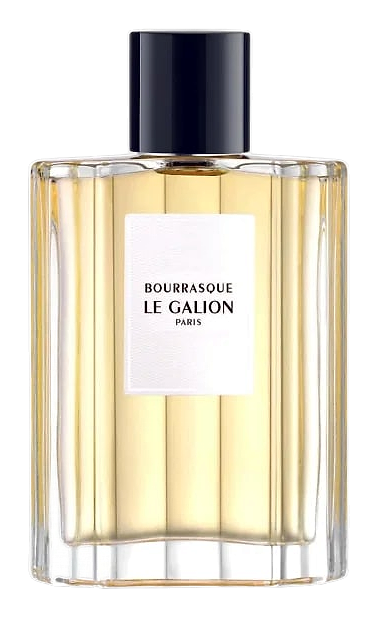
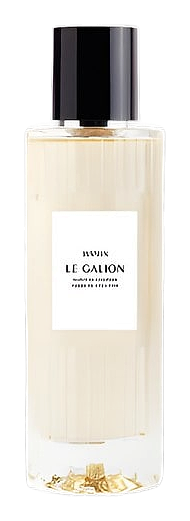
Le Galion's original Jasmin landed in 1937, the work of Paul Vacher, and remains a point of reference for anyone studying mid-century French floral perfumery. In 2020, Rodrigo Flores-Roux offered his own interpretation of that original. Flores-Roux has spoken about a personal connection to the source material: an English teacher who, during his teenage years, pulled an atomizer from her bag and presented it to him. He kept the chypre architecture, the oakmoss, the leather undertone, and the floral weight that defined the original. Then he rebalanced the jasmine with narcissus and Casablanca lily, added cumin for an herbal edge, and let the plum soften what could have read as overly austere.
What makes this composition worth studying is how the white florals are anchored in green and earthy rather than sweet. The cumin in the opening pulls the jasmine away from anything dessert-like, while oakmoss and patchouli in the base give it the mossy, slightly bitter backbone of a proper chypre. The Casablanca lily adds a cool facet that keeps the heart from becoming syrupy, and the ylang-ylang brings just enough tropical indolic warmth to make the jasmine feel alive rather than clinical.
The evolution
The first ten minutes are a handshake: green cumin, cyclamen, and orange blossom water create something almost vegetal, like crushed stems under bright flowers. Then the jasmine sambac arrives, and it arrives with intent. It's indolic, slightly dirty, and enormous. The narcissus adds a rubbery, hay-like edge that some people adore and others find too much. Ylang softens the blow but doesn't tame it. After about ninety minutes, the whole composition pivots. The white florals recede and oakmoss, patchouli, and leather take over, grounding everything in something earthy and faintly animalic. The plum shows up late, adding a bruised-fruit sweetness that nobody expected. In the later hours, you're left with vetiver, mate, and a faint trail of leather that still has something to say.
Cultural impact
Jasmin 2020 sits in an interesting place: a modern composition built on classical bones, one that takes the conventions of the floral chypre genre seriously rather than treating them as nostalgia. It rewards study, returning new details across multiple wearings. The composition asks for a certain kind of attention, and for those willing to give it, the fragrance keeps revealing more of itself.