
The Story
Why it exists.
The beginning
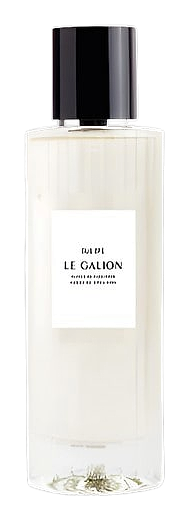
Thomas Fontaine reached for Charles Baudelaire's 'Imaginary Black Tulip', a flower that exists only in prose, lacquered and impossible. The choice fits Le Galion's philosophy of restraint: why recreate a flower when you can reinterpret its essence? Fontaine spent months chasing the tulip's waxy, varnish-like green quality, the thing that makes it feel more like architecture than botany. The result is a fragrance built around that singular impression, not a generic floral, but a precise study in green.
What makes Tulipe unusual is how it handles green. Galbanum opens sharp, almost aggressive, the kind of green that cracks the air open. But Fontaine layered in tulip leaf and acacia to give it a waxy, almost lacquered quality that softens the edges without losing the intensity. The floral heart doesn't arrive to sweeten the deal. It arrives to deepen it. Jasmine and narcissus bring a watery sweetness that feels botanical rather than perfumed, like the scent memory of flowers you'd never actually smell. That's the real trick: making something imaginary feel more real than reality.
The evolution
Galbanum hits first, that sharp, almost chemical green that announces itself before you're ready. Twenty minutes in, the tulip leaf accord emerges, cooler and crisper, like biting into a stem. The hand-off to the heart is where the composition earns its name. Jasmine and narcissus arrive not as sweetness but as depth, their waxy florals threading through the green until you can't tell where one ends and the other begins. The drydown is cedar and iris, clean, powdery, architectural. White musk keeps it intimate. On most skin, Tulipe holds for 6-8 hours, with a moderate sillage that stays close rather than filling the room. It's a daytime fragrance through and through, the kind that lingers after you've forgotten you put it on.
Cultural impact
Tulipe appeared in spring fragrance roundups shortly after its 2020 debut, positioning it as a quiet alternative to louder seasonal releases. Its Baudelaire reference gives it an intellectual register that appeals to a specific kind of collector, someone who remembers that luxury can be literary.