Tulip Leaf
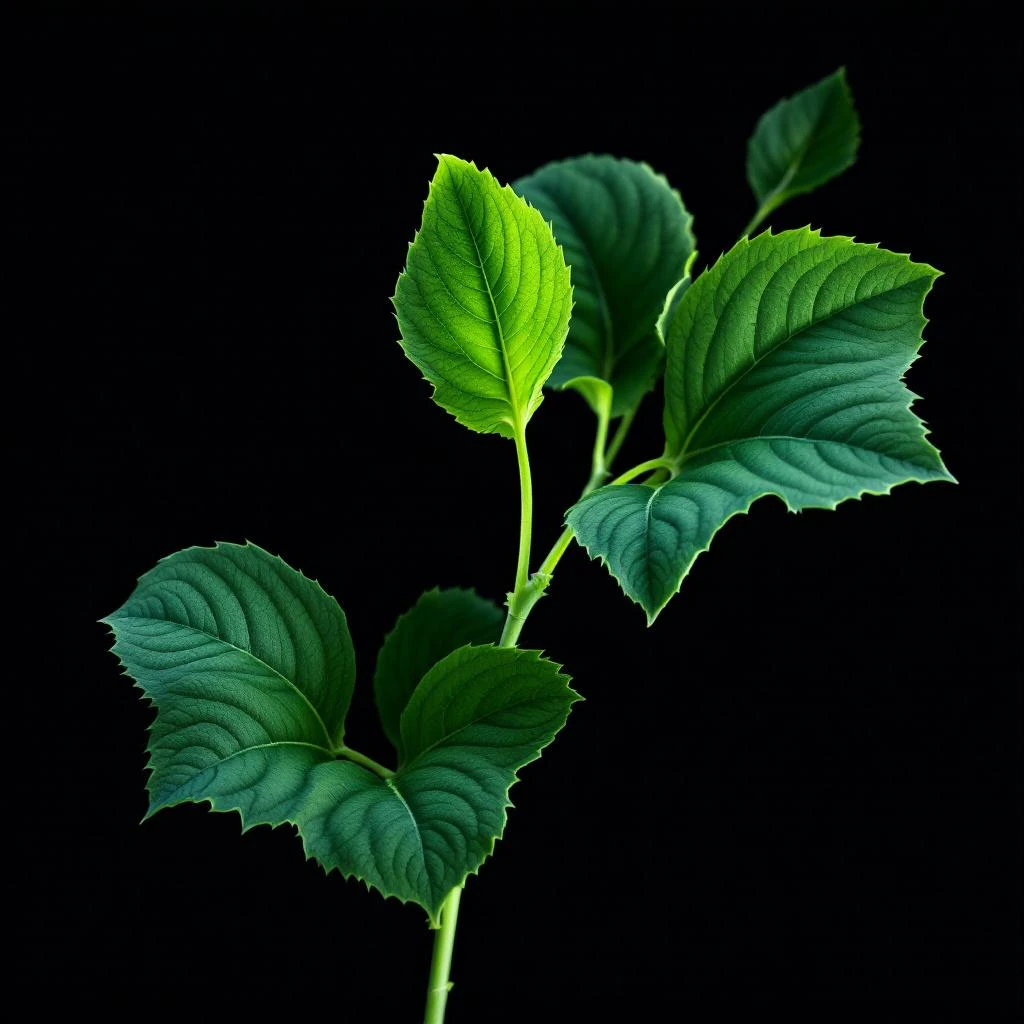
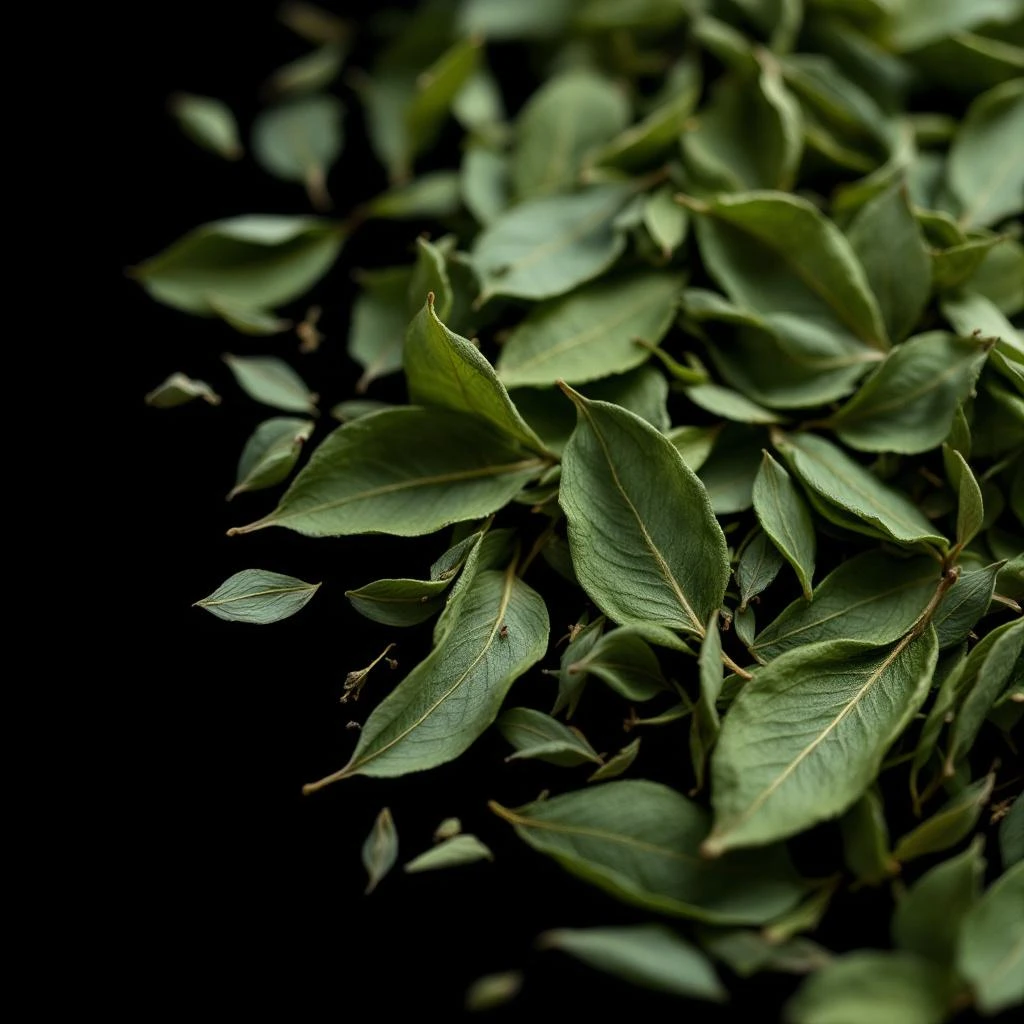
A rare green note distilled from tulip foliage, capturing the crisp, dewy freshness of spring gardens in a way few ingredients achieve. This unusual material offers perfumers a distinctly verdant character that elevates floral compositions.
Character
How it smells
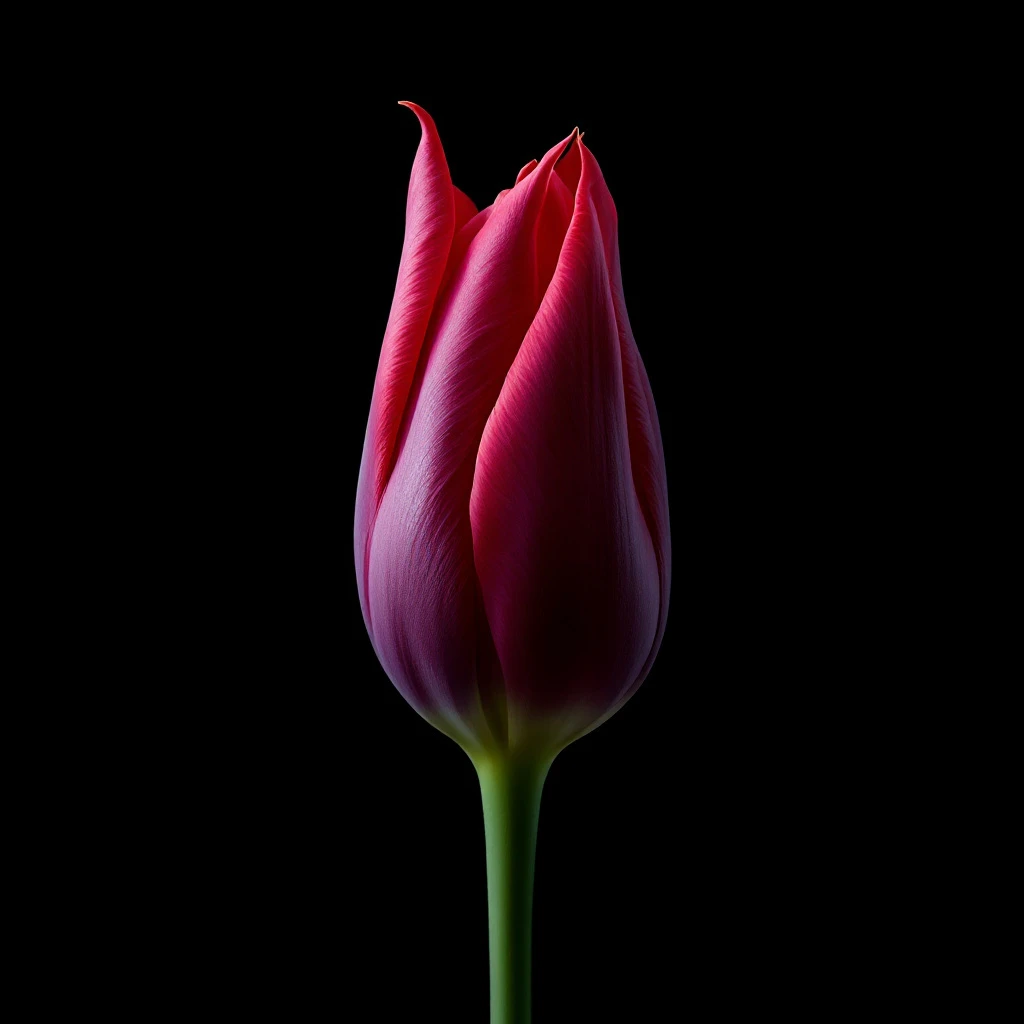
The fresh-cut green scent of spring tulip gardens
Tulip leaves contain the same C6 green compounds as mown grass, giving them their characteristic freshly cut smell.



Origin
Turkey
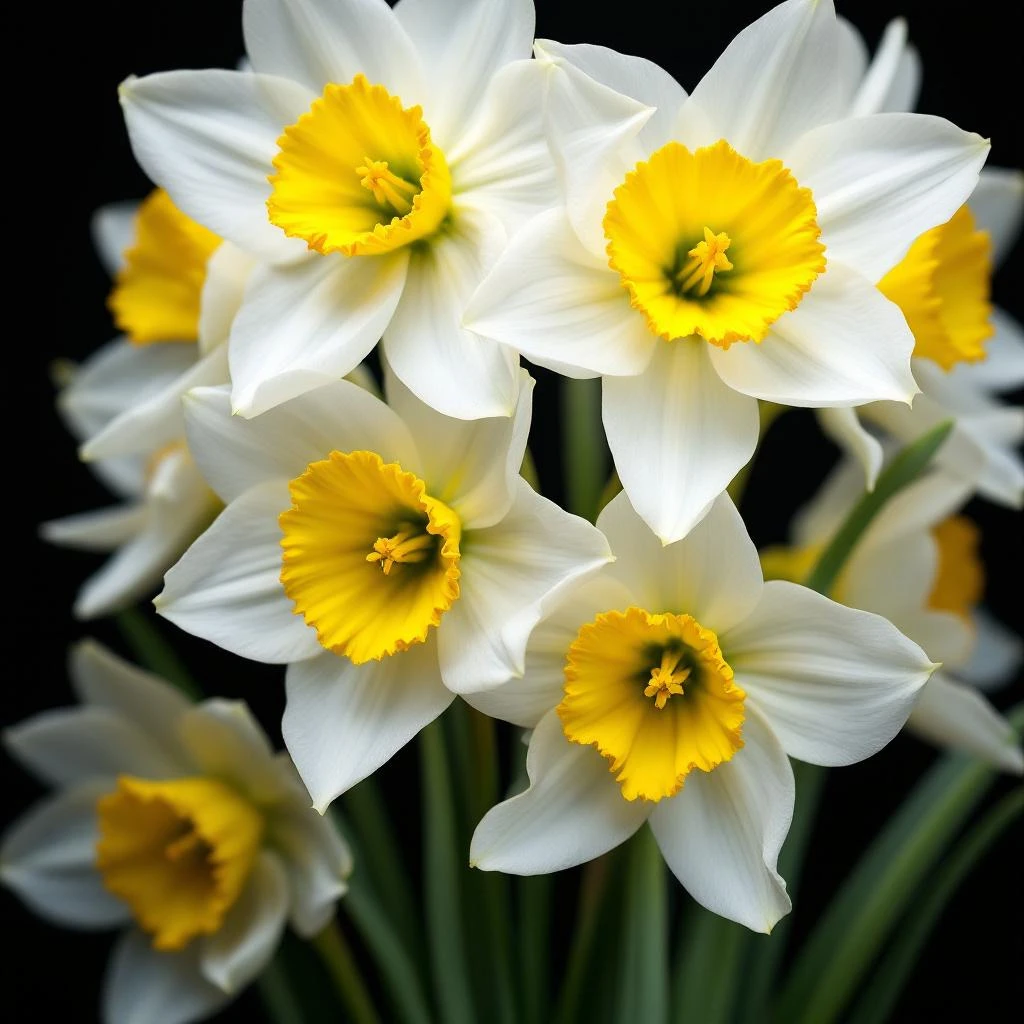
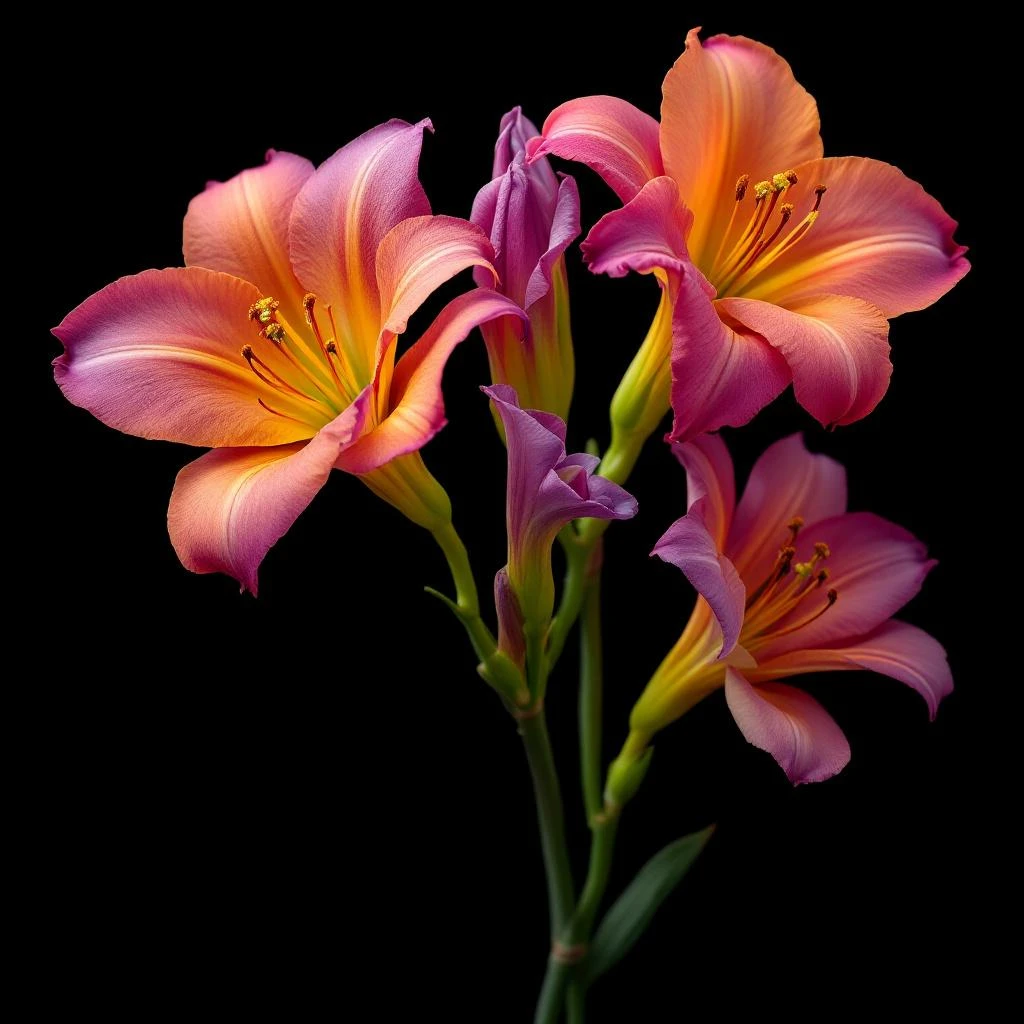
Tulips trace their cultivated history to the Ottoman Empire, where they became the flower of empire during the 16th century before arriving in Western Europe. The Dutch obsession that followed created the first documented financial bubble, yet the plant's fragrant foliage remained largely overlooked by perfumers.
Traditional Turkish and Persian gardens valued tulips for their visual beauty and subtle leaf scent, though documentation of their use in perfumery remains scarce. Modern interest in tulip leaf arose as fragrance houses expanded their search for unusual green notes, seeking alternatives to common materials like galbanum and violet leaf.
Wears it best
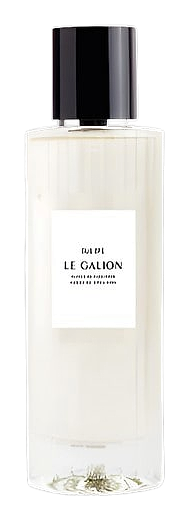
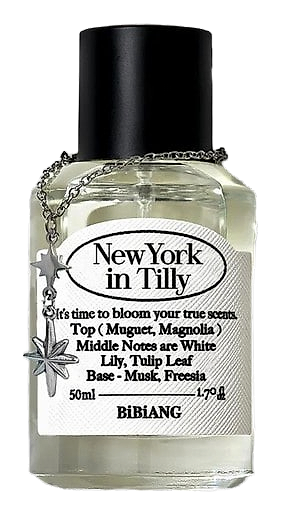
Fragrances featuring Tulip Leaf
Good to know
Questions, answered
The essentials on Tulip Leaf in perfumery: how it smells, where it comes from, and how it behaves on skin.
What does tulip leaf absolute smell like?
Tulip leaf absolute has a fresh, intensely green aroma reminiscent of just-cut grass and new leaves. It combines crispness with subtle vegetable sweetness. Unlike sharp citrus notes, it feels lush and slightly humid, like morning dew on foliage.
Is tulip leaf a natural or synthetic ingredient in perfumery?
Both versions exist. True tulip leaf absolute is natural but extremely rare and expensive. Most perfumery uses synthetic reproductions of the key C6 green compounds like cis-3-hexen-1-ol. Both capture that characteristic fresh leaf character.
Why is tulip leaf considered a rare fragrance ingredient?
Commercial tulip cultivation focuses entirely on flowers and bulbs, not foliage. Leaves are discarded during harvest, making extraction economically inefficient. Only specialty producers in limited regions extract them, keeping supply extremely constrained.
What green compounds are found in tulip leaves?
Tulip leaves contain C6 aldehydes and alcohols including cis-3-hexen-1-ol, trans-2-hexen-1-ol, and cis-3-hexenal. These compounds produce the characteristic green, freshly-cut grass odor common to many plant leaves.
Which fragrance families use tulip leaf notes?
Tulip leaf appears mainly in floral and green compositions. It pairs naturally with white florals, rose, iris, and green accords. Chypre and fougere fragrances also employ it for its verdant undertones.
How much tulip leaf absolute yields from raw material?
Extraction yields range from 0.1 to 0.3 percent by weight of fresh leaves. This means roughly 300 to 500 kilograms of leaves produce just one kilogram of absolute, explaining its rarity and premium positioning.
Can tulip leaf cause allergic reactions?
Tulip leaves contain tuliposides, compounds that can cause contact dermatitis in sensitive individuals, particularly in florists handling large quantities. Allergenicity data for the specific absolute remains limited due to its minimal commercial use.
What substitutes recreate the tulip leaf green note?
Violet leaf absolute, galbanum resinoid, and dihydrojasmone provide similar verdant effects. Synthetic cis-3-hexen-1-ol at low concentration closely mimics the natural green character at a fraction of the cost.