The Story
Why it exists.
The beginning
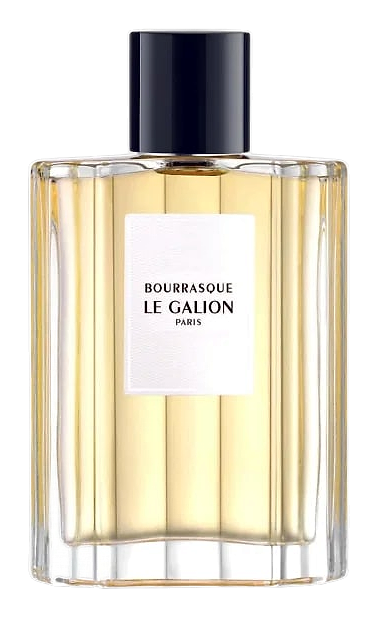
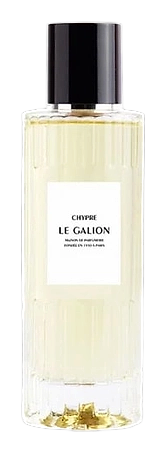
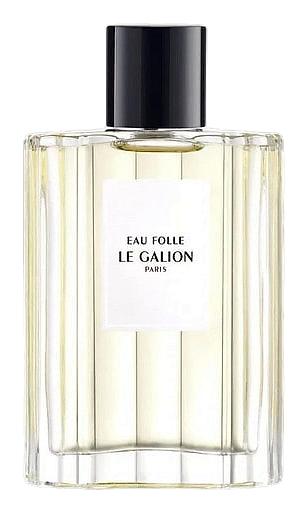
The name says it all. Eau Folle, mad water, untamed water. When Le Galion approached perfumer Julien Rasquinet to create a new fragrance, the brief called for a scent that would fall within the aesthetical heritage of Paul Vacher. Rasquinet built the top around ginger, an unexpected choice that gives the opening a bright, almost sparkling heat rather than the safe lavender-and-bergamot comfort of classic fougères. The heart layers Provençal herbs as a living, breathing garden rather than a museum specimen. By the time the base arrives, the scent has traveled from manicured to untethered, holding both in the same composition. That's the trick of it, a fragrance that feels like it belongs to any decade where someone on the Left Bank wanted to smell like they meant it.
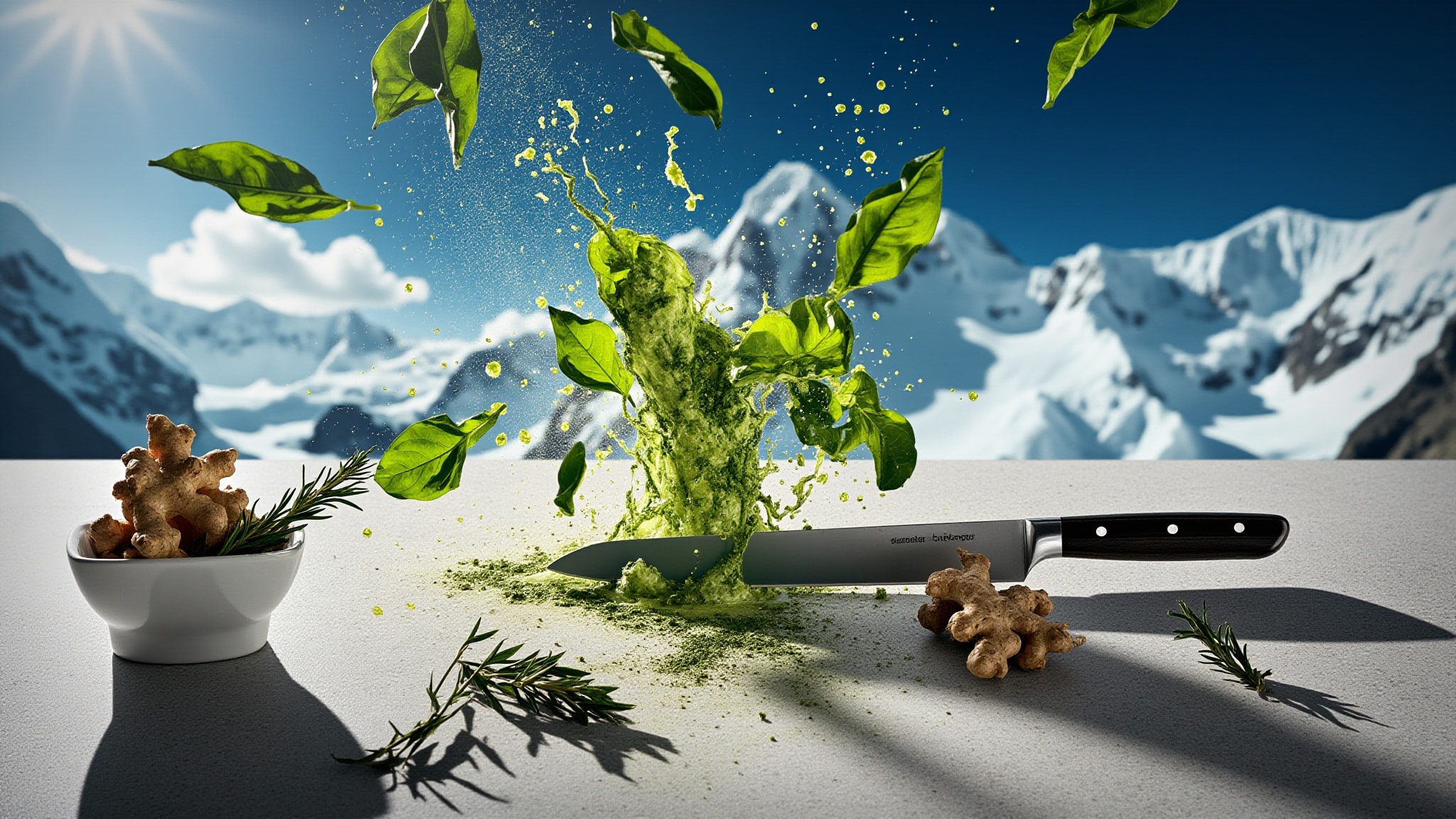
Absinthe wormwood is the ingredient that separates Eau Folle from the aromatic mainstream. It brings a bitter, almost medicinal quality to the opening that most perfumers soften or replace with safer citrus. Here it's the anchor, basil amplifies its green intensity, violet leaf adds crispness, and the combination reads as herbal and mineral at once. Community reviewers have noted an almost aquatic undertone in the drydown, which tracks: the wormwood's camphoraceous character can read as cool, wet air over stone. The cedar-vetiver base grounds everything that came before without flattening it.
The evolution
The opening announces absinthe, wormwood and violet leaf with a brightness that borders on soapy. Clean. Mineral‑fresh. The green herbs, basil in the lead, cut through immediately. Ginger in the top keeps everything sharp and cool without any harsh edge. After the initial wave, the composition shifts. The heart begins to assert itself: vetiver and wormwood arrive quietly, bringing a drier, spicier character. The lavender is still there but now it breathes through geranium, and there is a silver or mineral quality threading through the herbs and woods. Community reviewers have described this as almost aquatic, a cool, wet‑stone note that was not obvious in the opening. By the time the drydown arrives, the top notes have released their energy and the base takes over. Cedar and patchouli form the primary structure, with frankincense adding a smoky, incense‑like layer.
Cultural impact
Eau Folle enters the cultural conversation around contemporary French perfumery and its relationship to tradition, authenticity, and restraint. Le Galion's 2025 output reflects a broader shift in fragrance culture: away from loud, performative sillage toward compositions that reward proximity and attention. The wormwood note carries specific literary and artistic weight, tied to absinthe's history in bohemian Paris, to Van Gogh and Verlaine, to a certain idea of creative intensity. By foregrounding that note in a fresh, modern context, Eau Folle connects fragrance to a longer artistic lineage while remaining firmly anchored in 2025 aesthetics.