Alpine Cyclamen
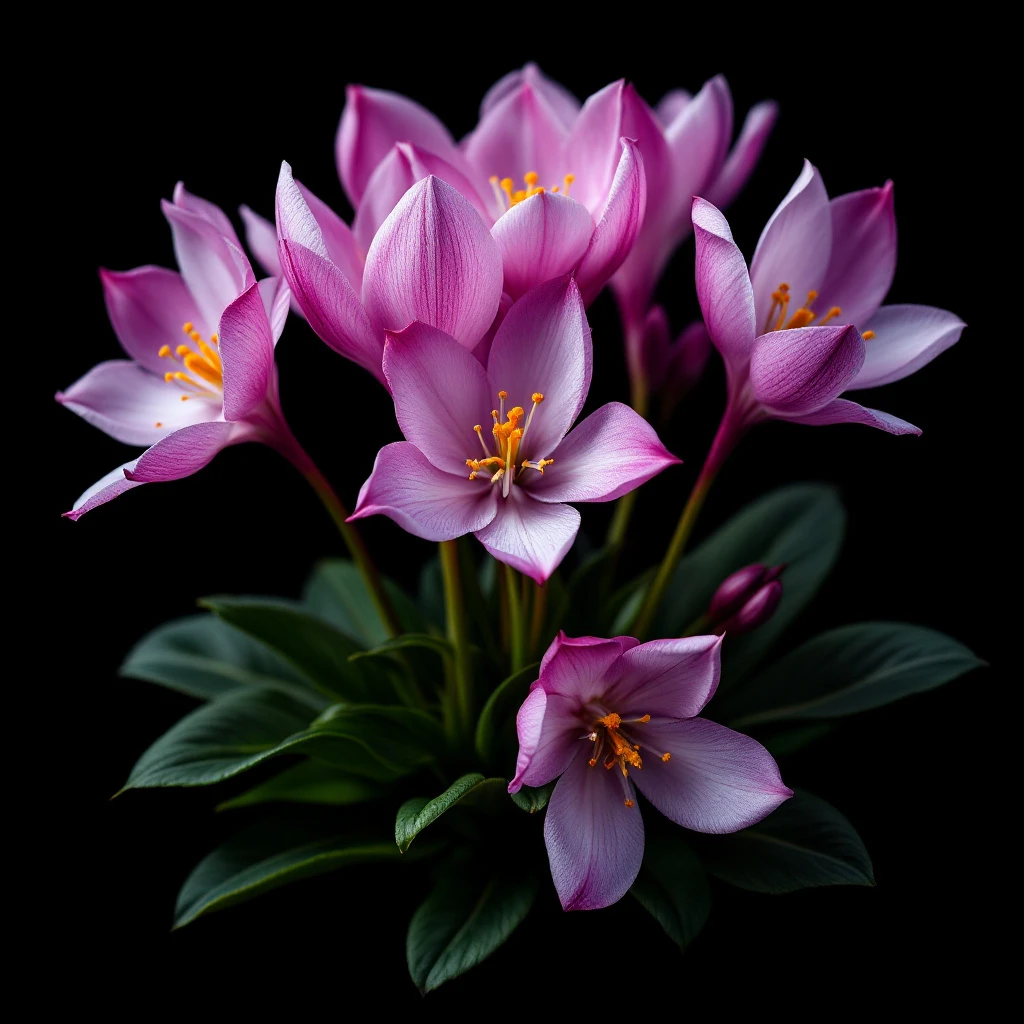
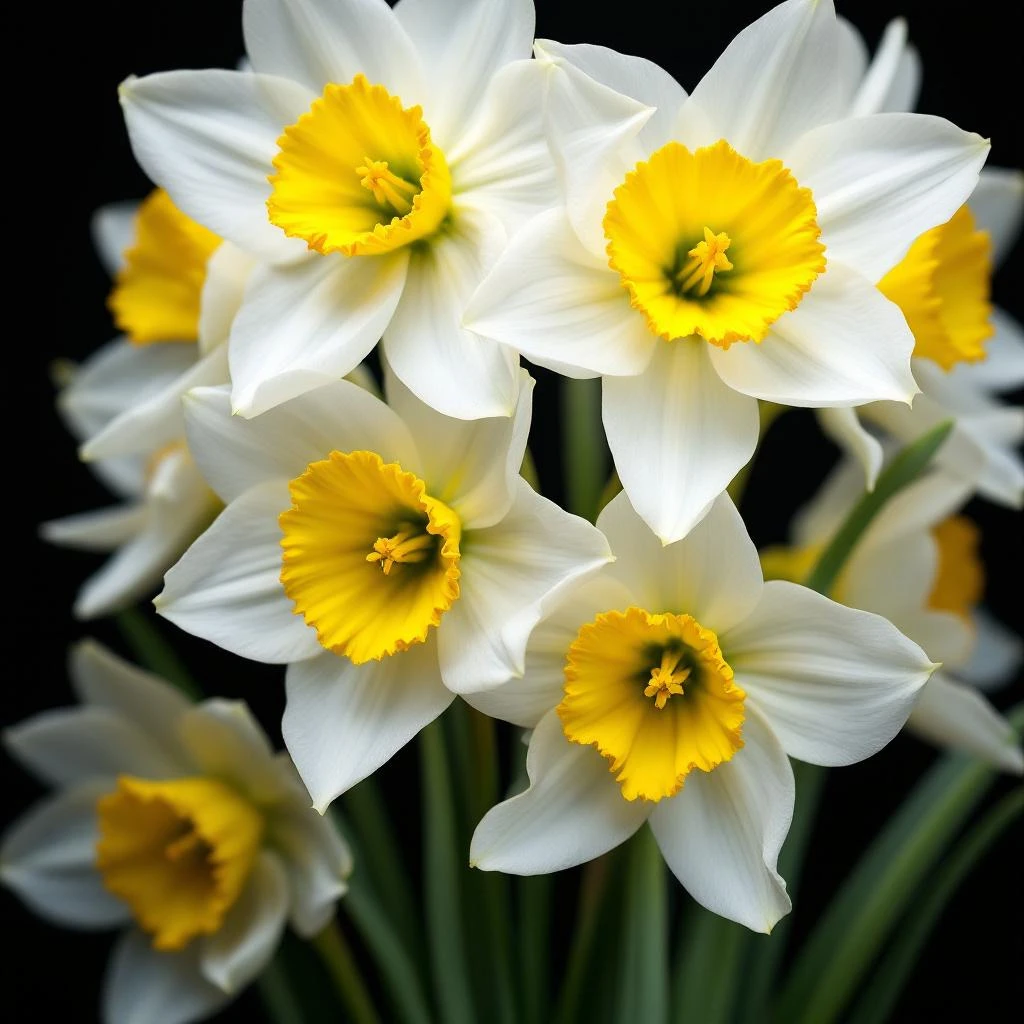
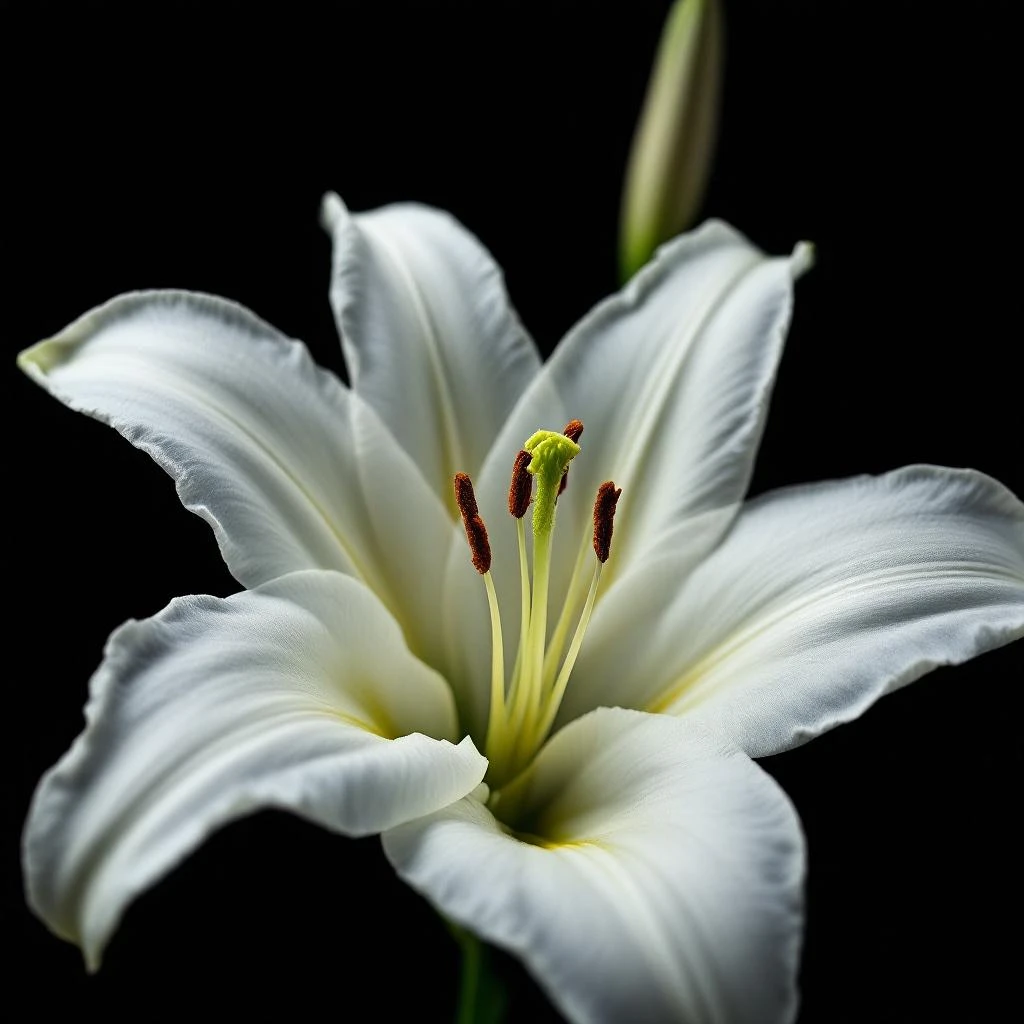
Alpine Cyclamen captures the cool, dewy character of high-altitude meadows. Its sweet-green floralcy lifts fragrances without dominating, lending freshness that feels like morning mist across mountain slopes.
Character
How it smells
Where mountain freshness meets floral grace.
Wild cyclamens from Alpine slopes carry more intense fragrance than garden varieties, a trait perfumers have long prized for authenticity.




Origin
Switzerland
Cyclamen grows wild across the Mediterranean basin, though Alpine varieties from high-altitude meadows possess notably stronger fragrance than their lowland relatives. Ancient Greeks called the flower "panis cymini" and used it in ceremonial garlands, though systematic perfumery use developed much later.
The breakthrough came in the early 20th century when aroma chemists first isolated Cyclamen Aldehyde, allowing perfumers to capture the elusive scent of these mountain flowers at scale. François Coty's pioneering work with absolutes and aromatic chemicals during this period helped establish floralcy as a cornerstone of modern fragrance construction.
Alpine Cyclamen gained particular favor among European perfumers for its crisp, green-floral character that evoked snowmelt and wildflowers growing above the treeline. Contemporary fragrance houses continue incorporating Cyclamen Aldehyde extensively in fresh floral compositions, maintaining a tradition that began in those Alpine meadows over a century ago.
Wears it best
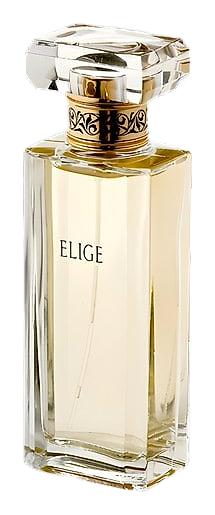
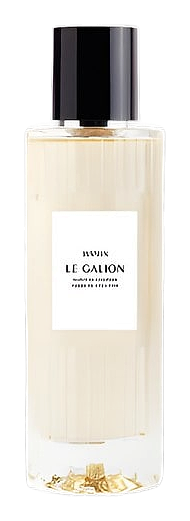
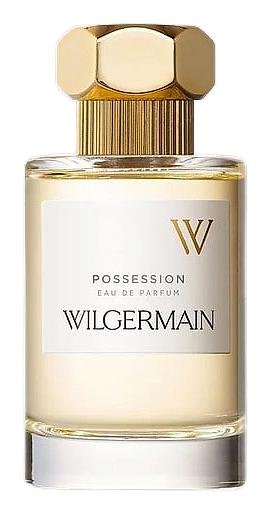
Fragrances featuring Alpine Cyclamen
Brands
Brands known for Alpine Cyclamen
Good to know
Questions, answered
The essentials on Alpine Cyclamen in perfumery: how it smells, where it comes from, and how it behaves on skin.
What makes Alpine Cyclamen different from regular cyclamen in perfumery?
Alpine Cyclamen refers to wild varieties from high-altitude regions, which produce more concentrated fragrance than cultivated garden cyclamens. Perfumery primarily uses Cyclamen Aldehyde, a nature-identical compound that captures this distinctive fresh-green, slightly leafy floral character.
Is Alpine Cyclamen a natural or synthetic ingredient?
Modern perfumery uses Cyclamen Aldehyde, a nature-identical synthetic aroma chemical. True cyclamen absolute exists but remains rare due to minimal extraction yields from the delicate flowers.
What fragrance family does Alpine Cyclamen belong to?
Cyclamen falls within green florals. Its sweet, slightly aquatic and leafy character pairs it with fresh, modern compositions including chypres, florals, and contemporary designer fragrances.
At what stage of fragrance development does cyclamen typically appear?
Cyclamen functions as a versatile heart note, though its volatility allows it to appear in top notes as well. It bridges the opening freshness with the deeper floral heart in many compositions.
What complementary ingredients work well with Alpine Cyclamen?
Galbanum amplifies its green character, while透明 musks and aquatic notes enhance its fresh qualities. It pairs naturally with lily of the valley, rose, and light woody materials like cedar.
Which famous fragrances feature Alpine Cyclamen prominently?
Cyclamen Aldehyde appears extensively in modern perfumery, particularly in fresh florals andchypres. Its subtle strength makes it difficult to isolate but contributes significantly to compositions marketed as fresh, green, or alpine-inspired.
How does Alpine Cyclamen contribute to fragrance longevity?
As a heart-note material, Cyclamen Aldehyde provides a mid-palate freshness that helps bridge top and base notes. Its moderate tenacity ensures it supports the fragrance development without overpowering the drydown.
Does Alpine Cyclamen have any traditional uses beyond perfumery?
Beyond fragrance, cyclamen has limited traditional applications. Some Alpine regions used the flowers in folk remedies and decorative garlands, but perfumery remains its primary modern use.



