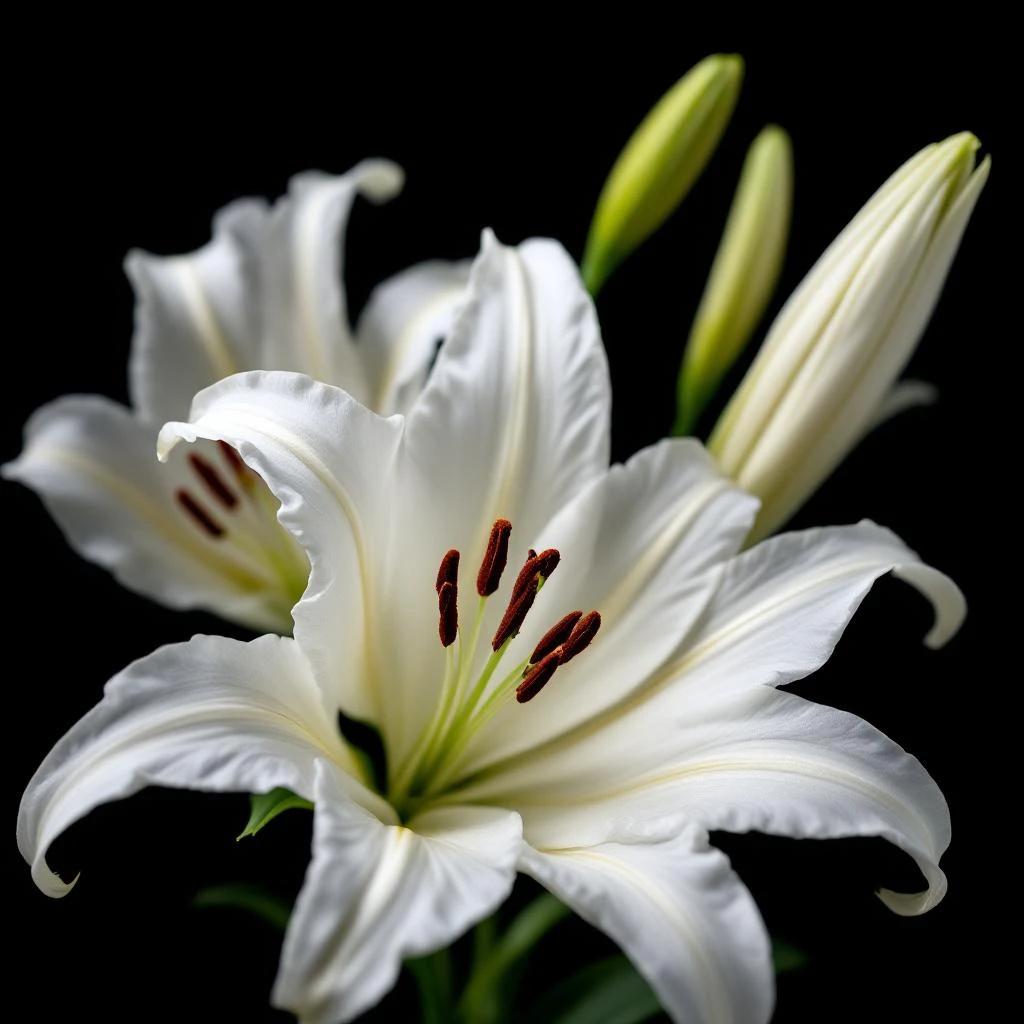
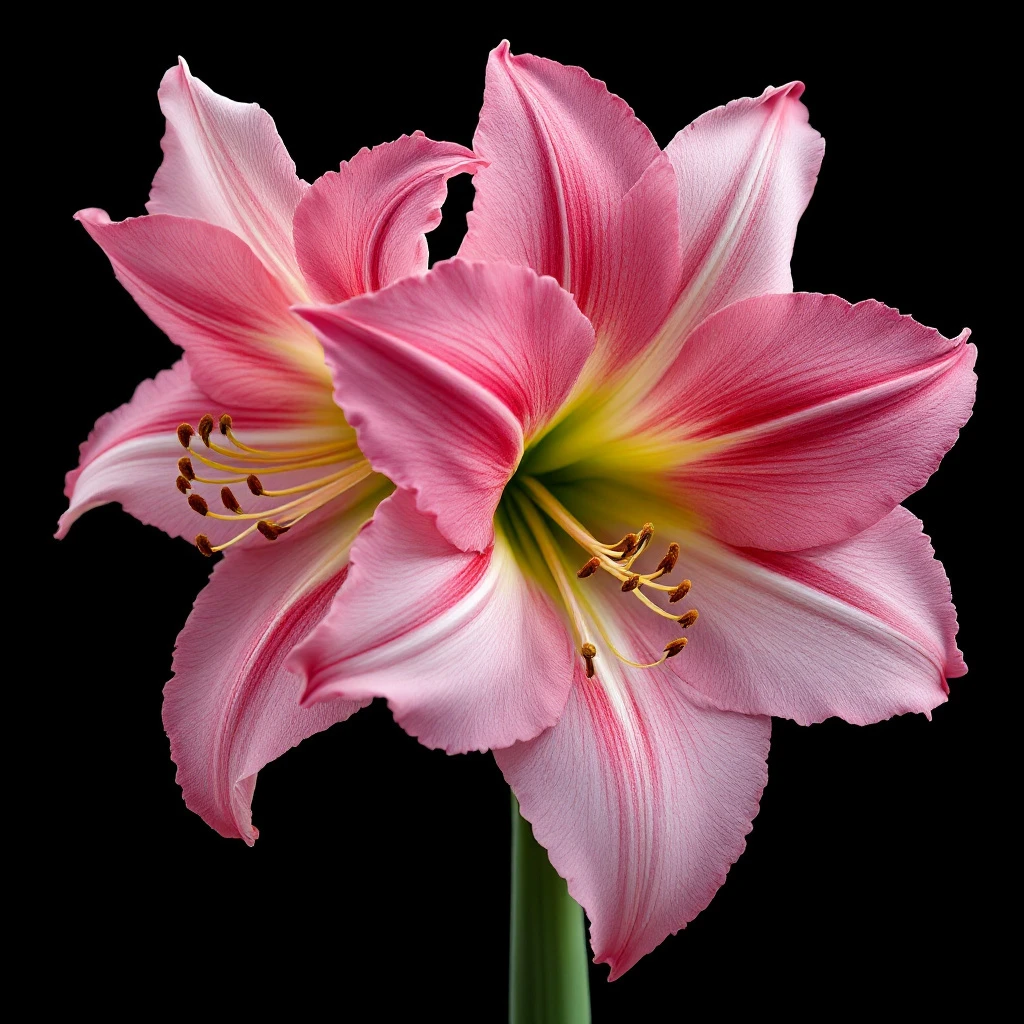
Pink Amaryllis
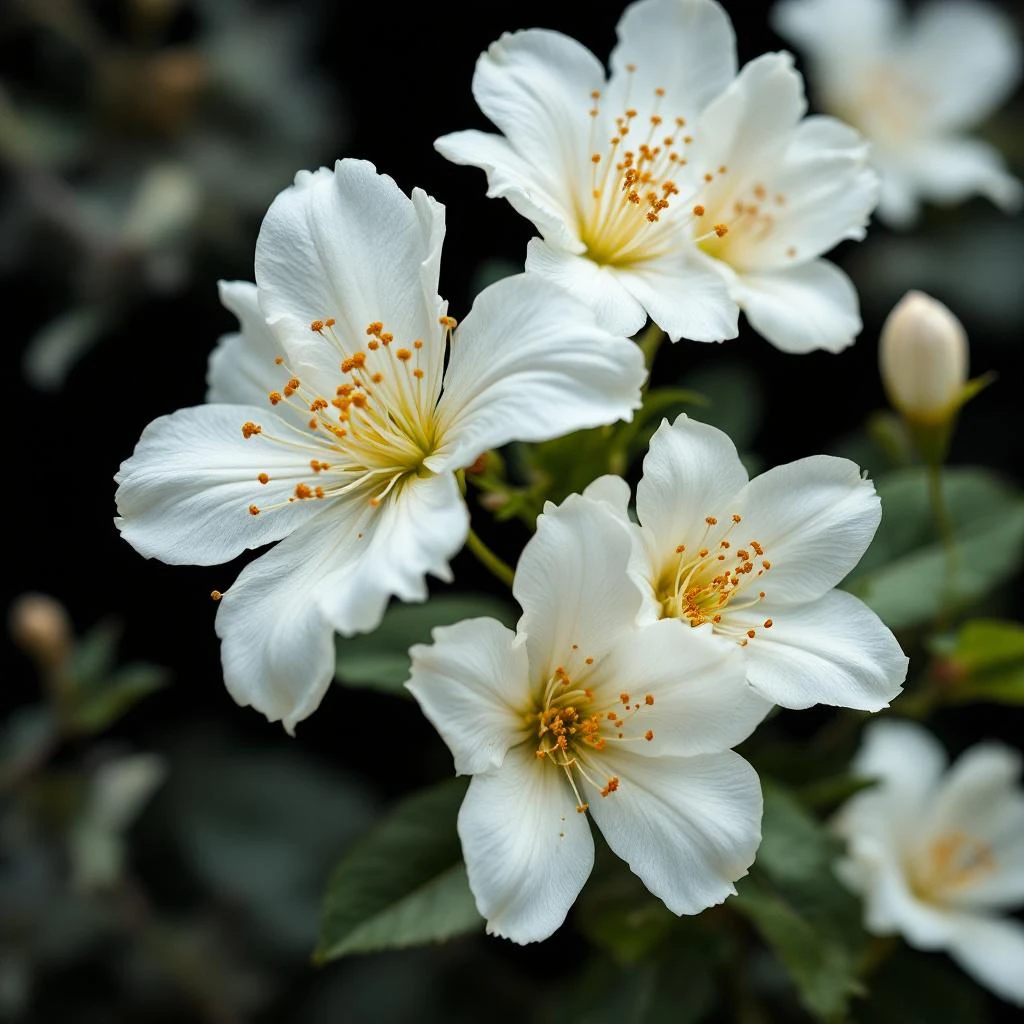
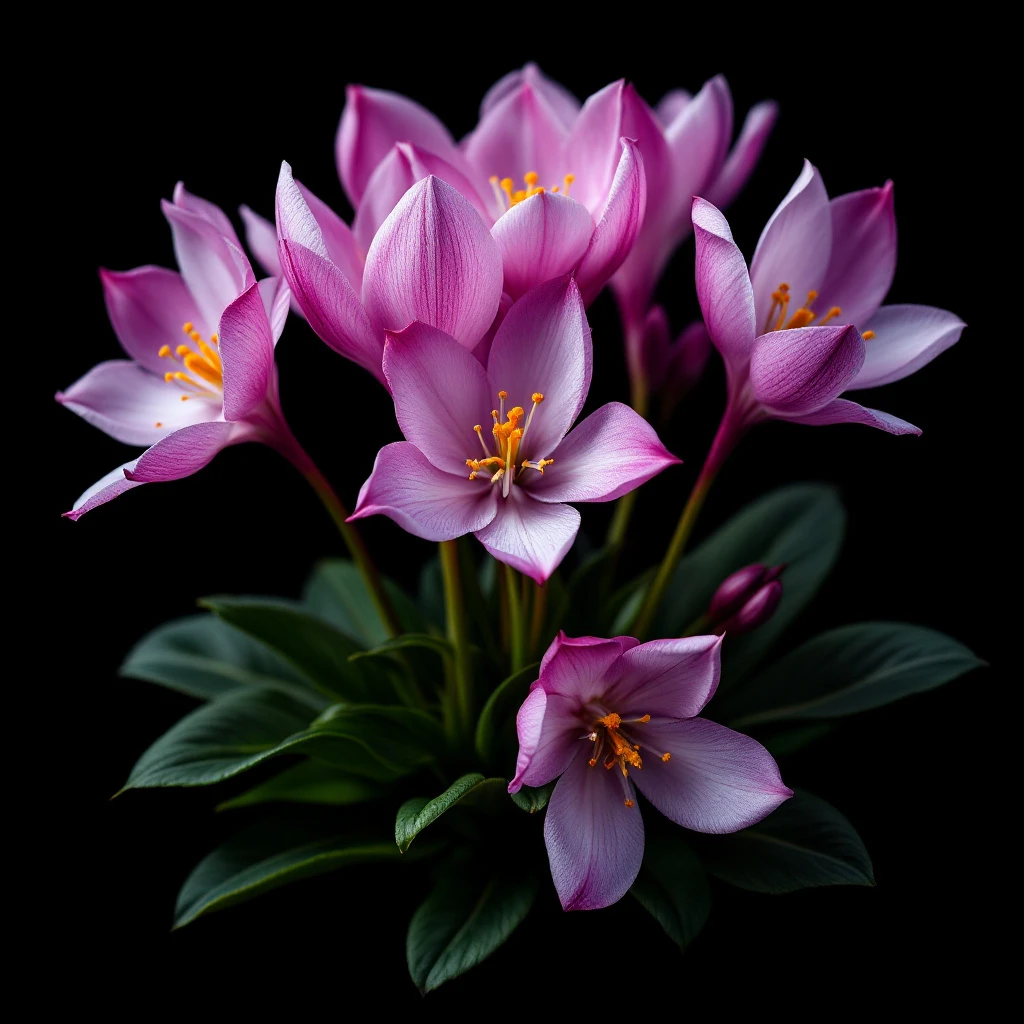
Pink Amaryllis brings a lush, dew-kissed floral signature to fragrance compositions. Often created synthetically to mirror its delicate natural scent, this note evokes spring gardens at first light, offering a romantic softness that blends seamlessly with modern perfumery.
Character
How it smells
A dew-kissed bloom reimagined in the lab.
True amaryllis flowers last only 48 hours after cutting, making natural extraction nearly impossible and synthetic recreation an industry standard.


Origin
South Africa
Amaryllis originates from South Africa, where the genus Hippeastrum grows wild across rocky coastal regions and grasslands. Dutch traders brought hybridized varieties to Europe in the 1700s, and Victorian gardeners prized the dramatic trumpet-shaped blooms.
Despite the flower's popularity in horticulture, perfumers largely ignored it for centuries because natural extraction yielded almost nothing. The fragrance industry only gained access to amaryllis as a named note after synthetic chemistry advanced in the late 20th century.
Headspace analysis of living flowers, pioneered by fragrance researchers in the 1980s, finally allowed perfumers to identify the specific molecules that define the pink amaryllis scent. Today, the note appears predominantly in high-end florals and chypre compositions, representing a case where chemistry unlocked a flower that nature kept hidden.
Wears it best
Fragrances featuring Pink Amaryllis
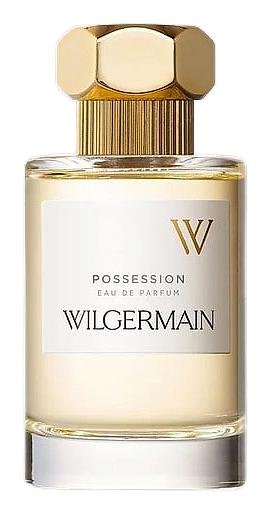
Brands
Brands known for Pink Amaryllis
Good to know
Questions, answered
The essentials on Pink Amaryllis in perfumery: how it smells, where it comes from, and how it behaves on skin.
Is Pink Amaryllis a natural or synthetic ingredient in perfume?
Pink Amaryllis is almost always synthetic in commercial perfumery. The flower's natural scent cannot be extracted in useful quantities, so perfumers recreate its profile using headspace analysis data and related aromatic chemicals.
What does Pink Amaryllis smell like?
Pink Amaryllis reads as a delicate, watery floral with green undertones and a soft, romantic sweetness. It resembles a blend of lily-of-the-valley and fresh cyclamen with slightly dewy, morning-garden character.
Why can't natural amaryllis be extracted for perfume?
The flower produces minimal volatile aromatic compounds and blooms for only about 48 hours after cutting. Extraction yields are too low to be commercially viable, which is why perfumers turned to synthetic reproduction.
What aromatic chemicals create the amaryllis effect in perfume?
Key aroma chemicals include cyclamen aldehyde, hydroxycitronellal, lilial, and various lily-of-the-valley materials. Perfumers combine these to approximate the flower's fresh, pink floral character.
Which fragrance families use Pink Amaryllis most often?
Pink Amaryllis appears primarily in floral and chypre compositions. It works as a transitional heart note, softening sharper green or aldehydic top notes while adding romantic depth before woody or musky drydowns.
When did amaryllis become a recognized fragrance note?
Amaryllis gained status as a named perfume note after 1980, when headspace technology allowed researchers to analyze its living-flower scent profile and recreate it through synthesis.
Does Pink Amaryllis grow wild or is it cultivated?
True amaryllis species (Hippeastrum) grow wild in South African grasslands and were hybridized in Europe starting in the 1700s. Commercial cultivation focuses on ornamental bulbs, not fragrance production.
Is Pink Amaryllis similar to other pink florals like peony or magnolia?
Pink Amaryllis is lighter and more watery than peony, and less creamy than magnolia. It sits closer to lily-of-the-valley and cyclamen in character, with a distinctly dewy, green-floral quality.