Guinea Orange
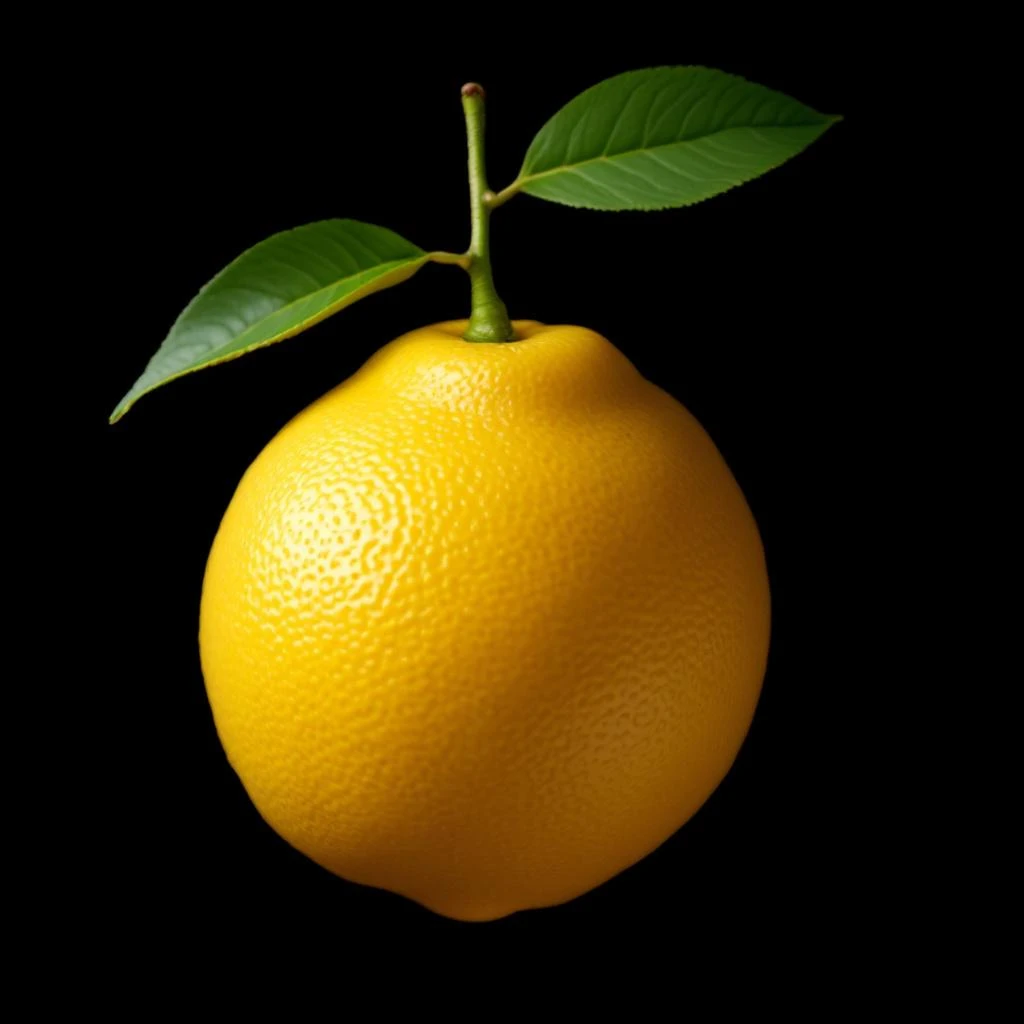
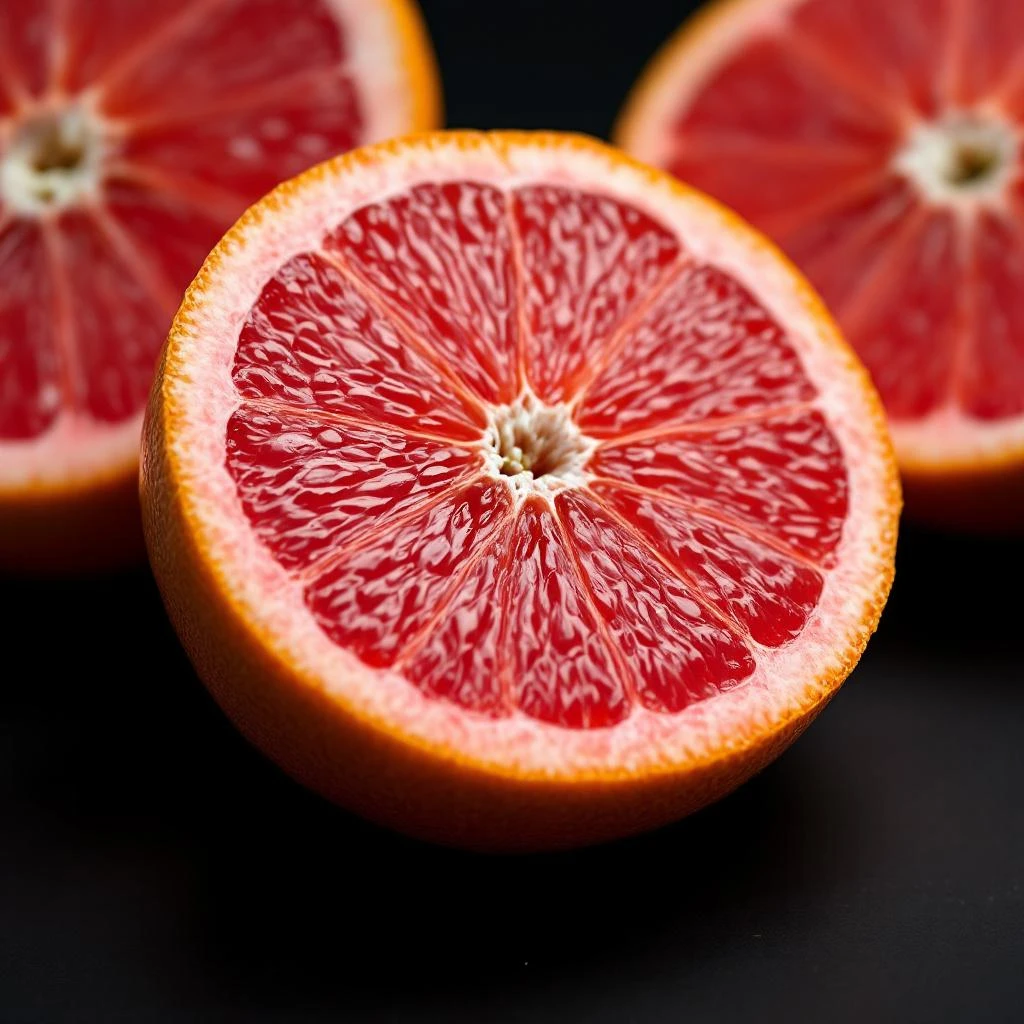
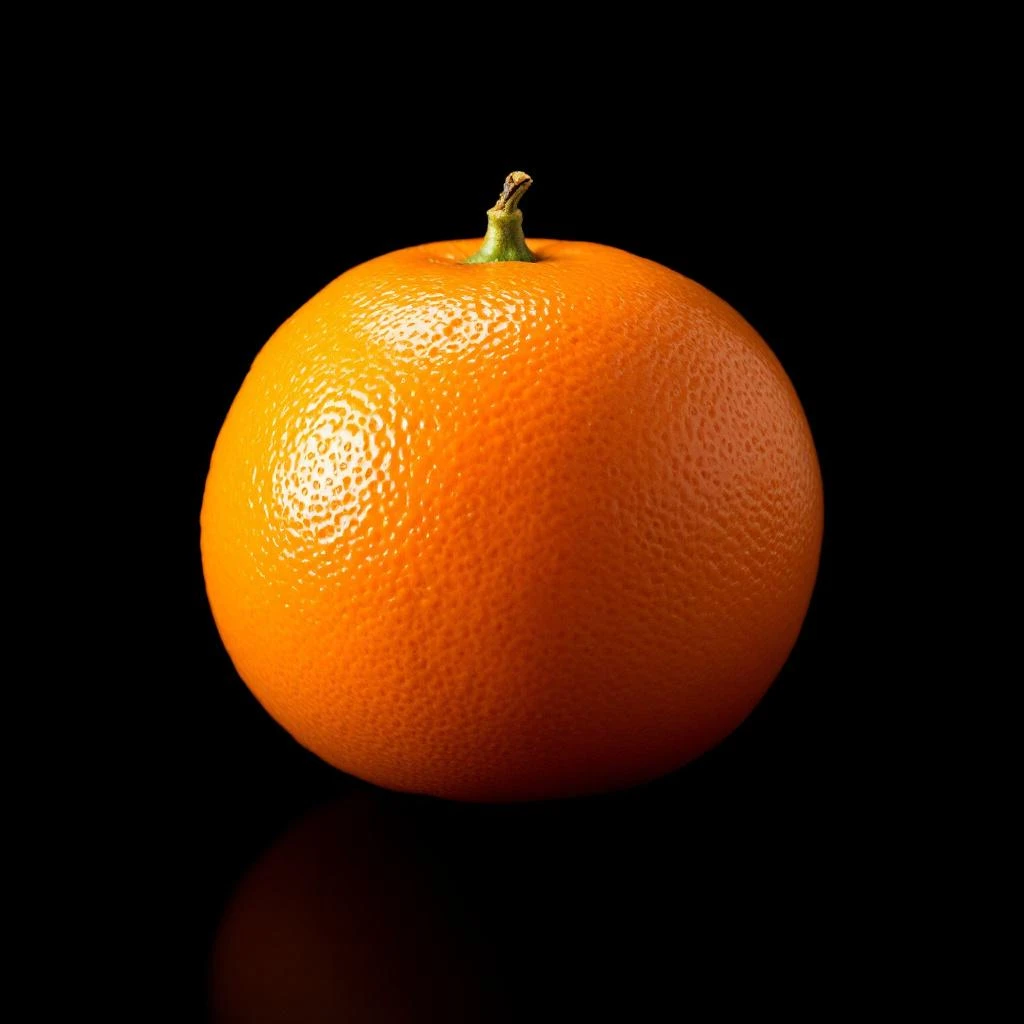
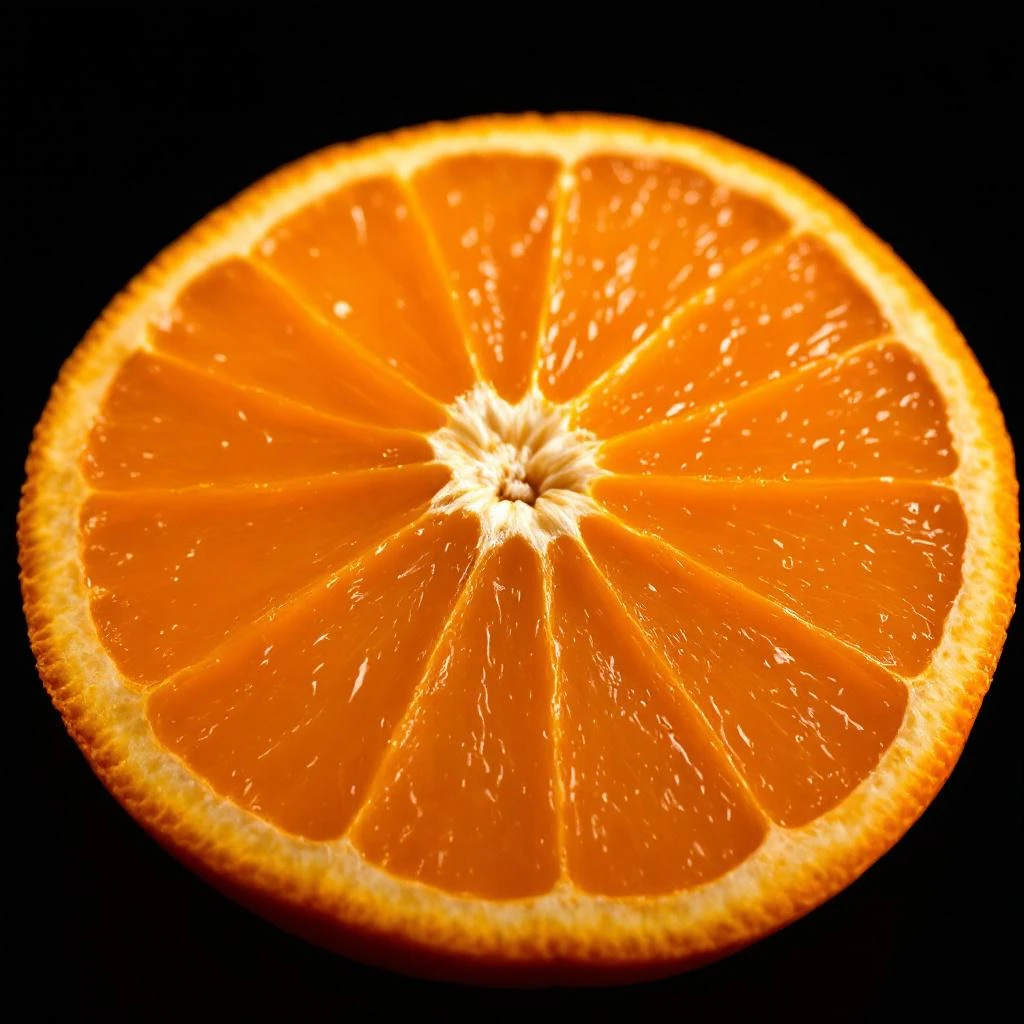
Guinea orange, also known as bitter orange or Seville orange, brings a bright, tangy character to perfumery. Its peel yields essential oil prized for adding zest and longevity to colognes and eaux de toilette.

Character
How it smells
The bitter citrus that built European perfumery
The name 'Guinea orange' likely traces to traders' vague medieval geography rather than any link to West Africa.




Origin
Spain
The bitter orange arrived in Europe through Arab traders during the ninth and tenth centuries, reaching Sicily and the Iberian peninsula via North African routes. By the twelfth century, Seville had become the European capital of bitter orange cultivation, lending the fruit its alternate name. Its peel oil entered perfumery early; the Hungarians distilled citrus oils as early as the 1300s, and Italian and Spanish apothecaries incorporated bitter orange into pomanders and waters.
The seventeenth century saw the oil gain prominence in the emerging eau de cologne tradition. Farina's 1709 formula in Cologne featured bergamot and bitter orange as cornerstone ingredients. The name 'Guinea orange' reflects a common Renaissance practice of attaching the word 'Guinea' to any exotic-sounding tropical good, regardless of actual origin.
By the nineteenth century, bitter orange oil was a standard material in French perfumery, used both for its scent and as a fixative for more volatile citrus notes.
Wears it best
Fragrances featuring Guinea Orange
Brands
Brands known for Guinea Orange
Good to know
Questions, answered
The essentials on Guinea Orange in perfumery: how it smells, where it comes from, and how it behaves on skin.
What does guinea orange smell like?
Guinea orange oil smells brighter and more bitter than sweet orange. Expect a sharp citrus opening with tangy rind notes, subtle green bitterness, and a dry, slightly floral finish that distinguishes it from common orange varieties.
How is guinea orange oil extracted?
The oil is cold-pressed from the fruit peel, a process that mechanically ruptures oil glands and captures essence without heat. Steam distillation is reserved for leaves and twigs, producing petitgrain bigarade oil instead.
Where does guinea orange originate?
The bitter orange tree spread from Asia through Arab trade routes into Mediterranean Europe. Spain, particularly the Seville region, became the dominant source by the 12th century and remains a major production hub.
Why is it called guinea orange?
European traders used the label 'Guinea' broadly for any exotic or distant origin in the medieval and Renaissance periods. The name stuck even though the fruit has no specific connection to West Africa.
What is the difference between guinea orange and sweet orange oil?
Guinea orange (bitter orange) oil carries a sharper, more astringent profile with notable bitterness and floral undertones. Sweet orange oil is sweeter, juicier, and lacks the complex bitter-green facets.
Is guinea orange oil safe for skin?
Cold-pressed bitter orange oil is generally considered safe in low dilutions. It contains bergapten, a phototoxic compound, so users should avoid sun exposure on freshly applied areas or seek furocoumarin-free versions.
Which famous perfumes use guinea orange?
Classic eau de cologne formulations rely on bitter orange peel oil, including the original 1709 Farina recipe. Many heritage Mediterranean fragrances and traditional Spanish colognes continue this tradition.
Can guinea orange oil go rancid?
Yes. Citrus peel oils oxidize relatively quickly due to high limonene content. Properly stored in dark glass away from heat and light, guinea orange oil maintains quality for roughly 12 to 18 months.