
The Story
Why it exists.
The beginning
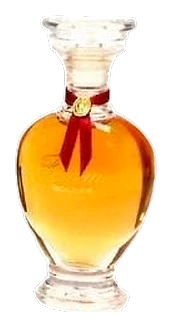
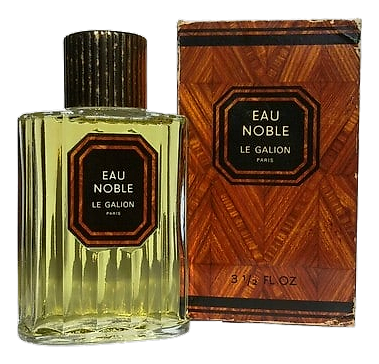
Paul Vacher built Eau Noble in 1972, late in his career as a perfumer. The name says everything. Noble. Not dramatic, not sweet, not loud. A composition that expected the wearer to bring the personality, not borrow it from the bottle. It arrived in a season when the Parisian perfumery world was crowded with bold new launches from the great houses, and Eau Noble stood apart by doing less. Where others piled on sweetness and projection, Vacher held back, building a composition around restraint and structural clarity. The juice inside the flacons is a citrus-herb chypre, a genre that prizes elegance over effect, and Eau Noble wears its craft close to the chest.
Eau Noble reads like a thesis on the French salon tradition at its most refined. A green-citrus opening snaps sharp, almost architectural in its precision, the kind of accord that announces itself and then steps back. The heart walks in measured steps rather than striding, lavender and aromatic herbs carrying the composition forward without ornament or excess. Then comes the unusual move: an indolic white-floral twist, that pollen-dry sweetness sitting inside a structure you'd otherwise expect to be austere.
The evolution
The opening is a courtyard. Citron and galbanum snap green, joined by mandarin orange for a brief, sunlit sweetness that lifts the bitter, crushed-leaf edge of the galbanum into something almost sparkling. Then the lavender arrives with its cool, herbal authority, the kind that makes you sit up straighter without knowing why. White florals drift through the middle, an indolic hush that smells like warm linen and something slightly human underneath. There's a pollen-dry sweetness in the heart that keeps the greener notes from feeling cold or clinical, a soft, almost narcotic quality that softens the structure without dissolving it. As the composition breathes, the chypre base takes over.
Cultural impact
Eau Noble sits in a particular corner of vintage perfumery. It's the kind of fragrance that rewards curiosity and punishes indifference, a composition that reveals itself only to someone willing to lean in and pay attention. Wearers describe it as the scent of someone who walked into a room before you did and already knows the bartender's name, that quiet, settled confidence that doesn't need to announce itself. The fragrance has found a devoted following among those who collect and study vintage French perfumery, people drawn to its green-citrus opening, its indolic floral heart, and its unmistakably vintage chypre base.