White Florals
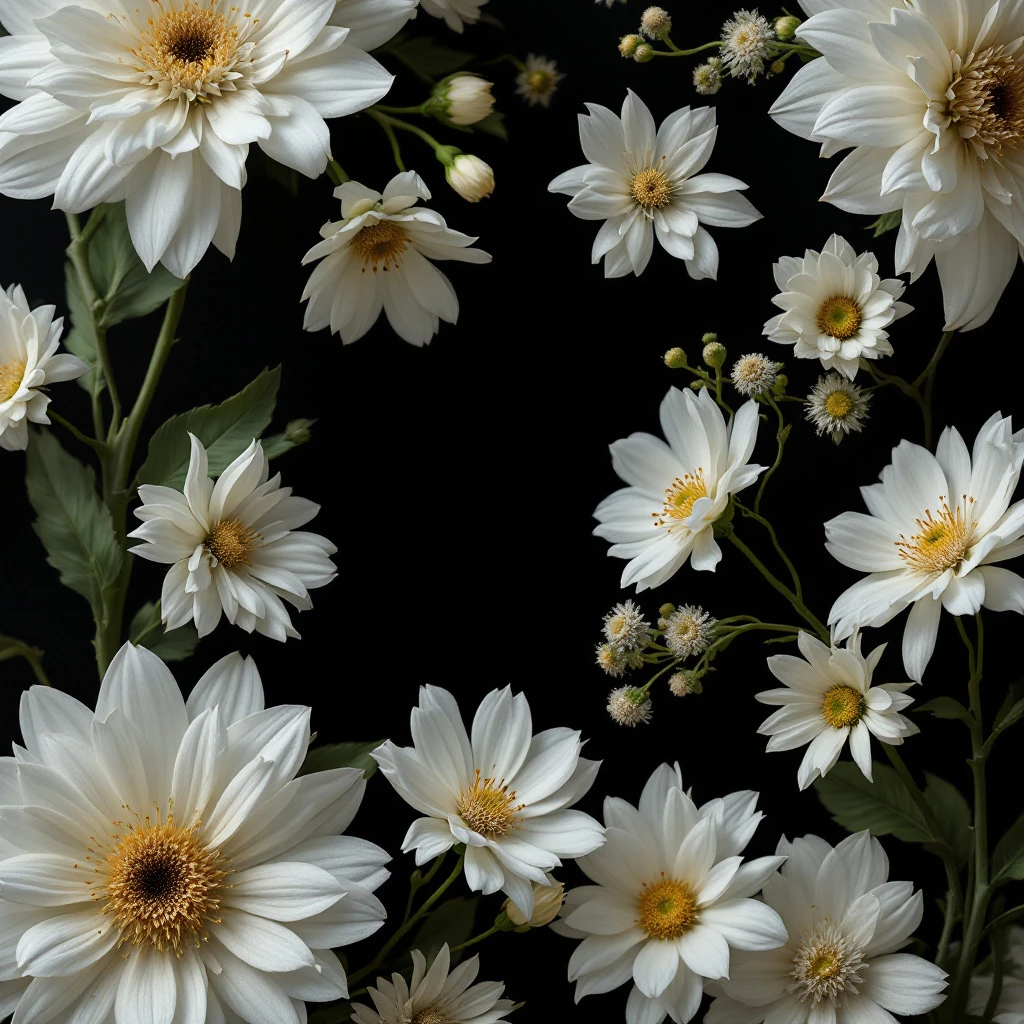
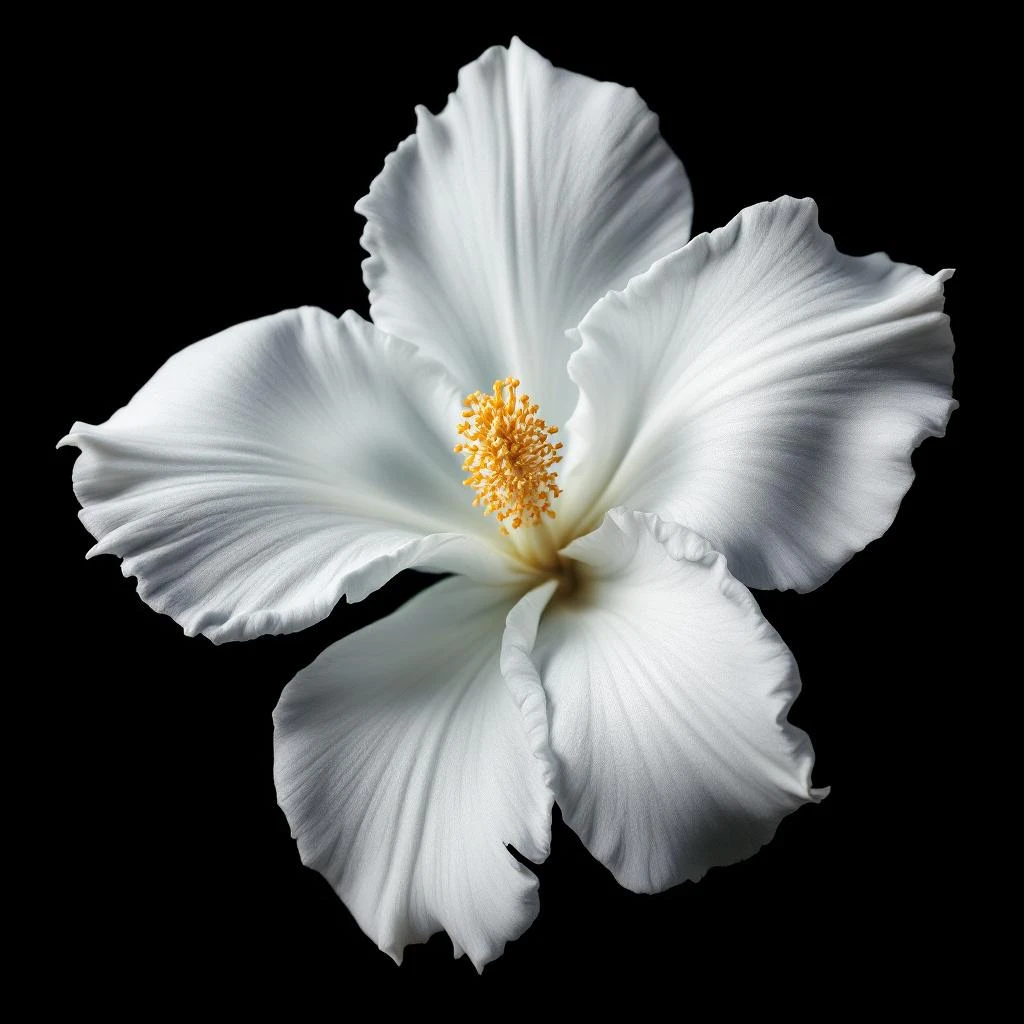
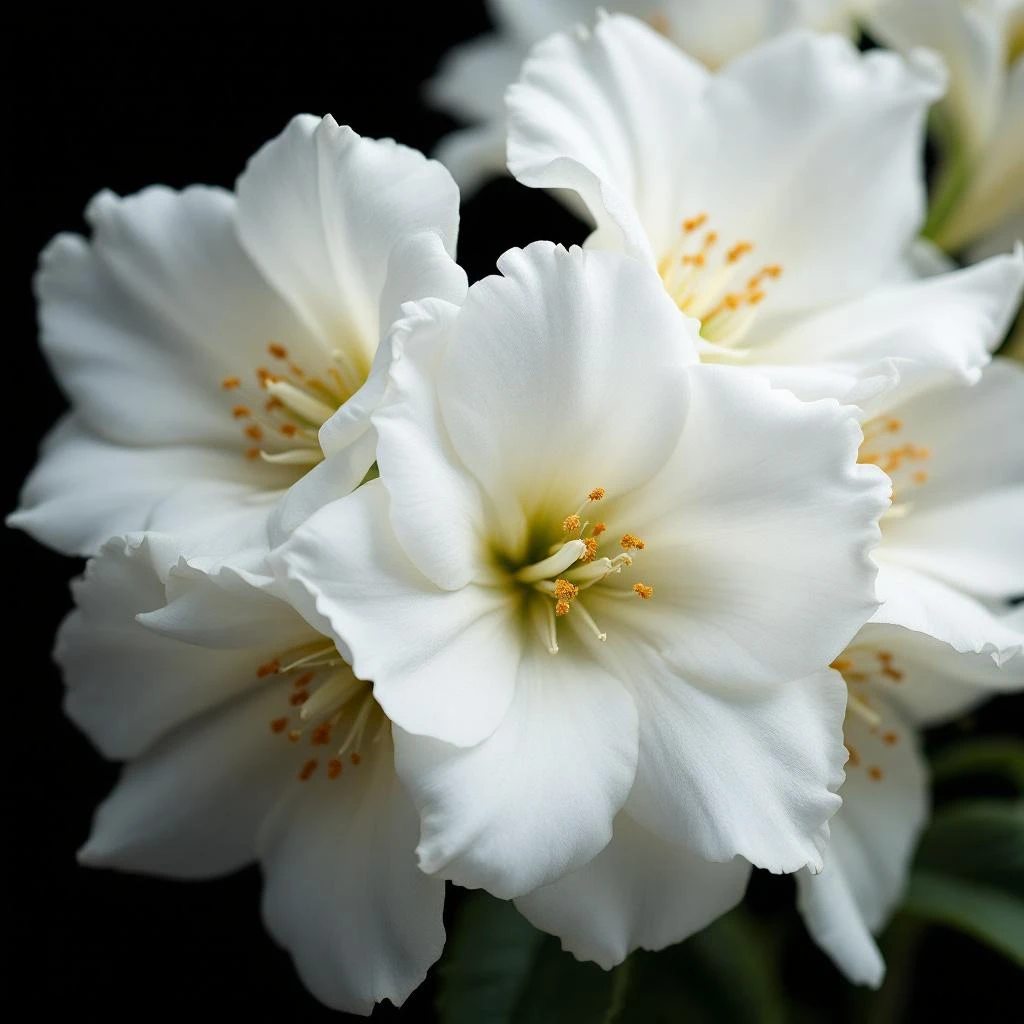
White florals capture the intoxicating scent of night-blooming gardens: jasmine, tuberose, gardenia, and orange blossom unite in a creamy, radiant signature. This note embodies both intimacy and luminosity, the quiet exhale of a flower opening after dark.
Character
How it smells
Night-blooming radiance with creamy warmth.
A tonne of jasmine blooms yields roughly one kilogram of absolute, making jasmine among the most costly natural ingredients in perfumery.



Origin
India
White florals have defined luxury perfumery since the 16th century, when jasmine arrived in Europe via Mediterranean trade routes. Grasse, France emerged as the spiritual home of white floral cultivation by the 1700s, where jasmine grows under precise conditions that concentrate its indolic depth. The city earned its reputation through generations of enfleurage practitioners before transitioning to modern solvent methods.
Chanel No. 5's pioneering use of jasmine absolute in 1921 shifted white florals from romantic florals into modern abstract composition. Indian and Southeast Asian traditions treated jasmine as sacred long before perfumery, growing it for religious offerings and Ayurvedic medicine.
Today, Tamil Nadu produces a significant share of the world's jasmine, while Grasse maintains its reputation for exceptional quality. The white floral family continues to anchor both classic and contemporary fragrances, functioning as a bridge between olfactory tradition and modern taste.
Wears it best
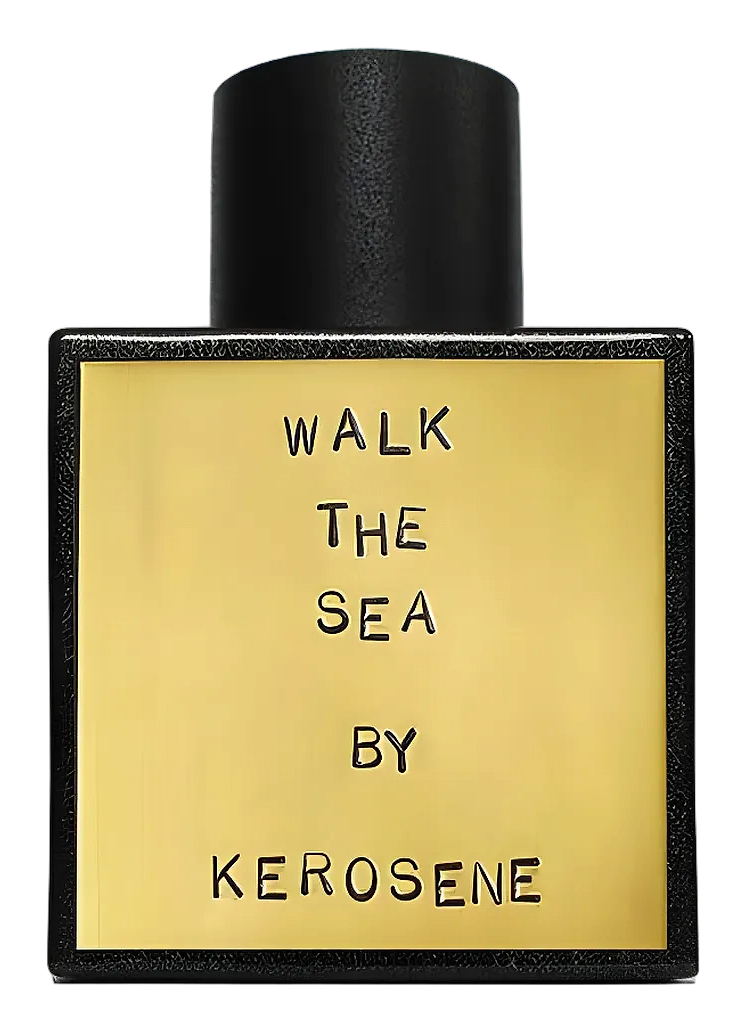
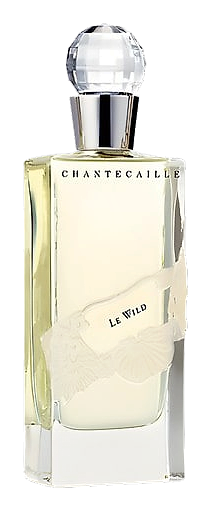
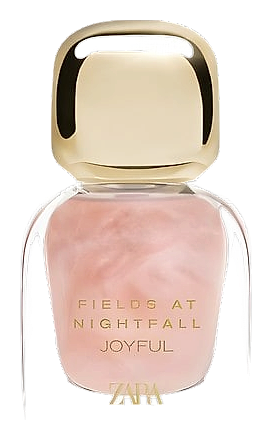
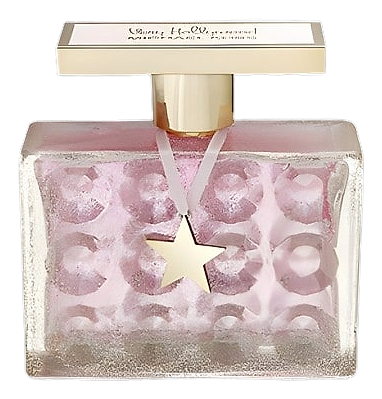
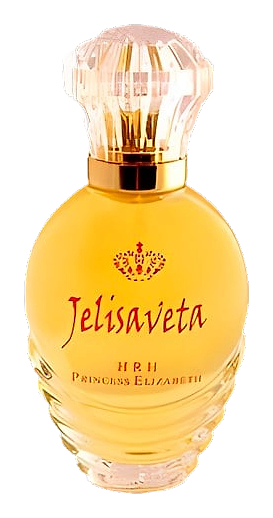
Fragrances featuring White Florals
Brands
Brands known for White Florals
Good to know
Questions, answered
The essentials on White Florals in perfumery: how it smells, where it comes from, and how it behaves on skin.
What makes white florals different from other floral notes?
White florals share a creamy, almost waxy warmth that distinguishes them from bright or green florals. Jasmine, tuberose, gardenia, and orange blossom contain indole compounds that add depth and a subtle animalic quality, creating an intoxicating effect most pronounced at night when these flowers naturally bloom.
Which flowers belong to the white floral family?
Jasmine, tuberose, gardenia, frangipani, orange blossom, ylang-ylang, and tiare form the core white floral family. Each brings its own character: jasmine contributes warmth and sensuality, tuberose adds narcotic intensity, gardenia offers dewy freshness, and orange blossom contributes a clean, slightly bitter elegance.
Why is jasmine absolute so expensive?
Jasmine harvest demands hand-picking at dawn when blossoms hold maximum aromatic compounds. Each flower opens once and must be collected within hours. This labor-intensive process requires approximately 8 million jasmine flowers to produce one kilogram of absolute, directly driving the ingredient's rarity and cost.
How do perfumers extract white floral scents?
Solvent extraction works best for jasmine and tuberose, preserving their creamy character without heat damage. Steam distillation suits ylang-ylang and produces neroli from orange blossom. Headspace technology captures gardenia's fleeting scent when extraction proves impractical.
What fragrance families pair well with white florals?
White florals anchor oriental compositions by adding lush warmth to amber and vanilla foundations. They soften chypre structures and introduce softness to green or citrus-led fragrances. In modern perfumery, white florals frequently bridge woody bases and bright top notes.
Are synthetic white floral alternatives effective?
Synthetics like Hedione, Florol, and indole isolates replicate specific facets of white florals without raw material volatility. These materials allow consistent production and lower costs, though natural absolutes retain complexity that synthetic approximations cannot fully match.
What is indole and why does it matter in white florals?
Indole is a nitrogen-containing compound present in high concentrations in white florals. At low concentrations it contributes fecal, animalic depth; at trace levels it adds sensual warmth and richness. Perfumers carefully balance indole content to achieve a creamy, inviting effect rather than anything harsh.
Which classic fragrances showcase white florals?
Chanel No. 5 revolutionized white floral use by featuring jasmine as a structural component rather than decoration. Fracas by Robert Piguet elevated tuberose to superstar status. Byredo's Gynelle and Le Labo Jasmin 17 demonstrate how contemporary perfumers reinterpret these notes for modern audiences.