
The Story
Why it exists.
The beginning
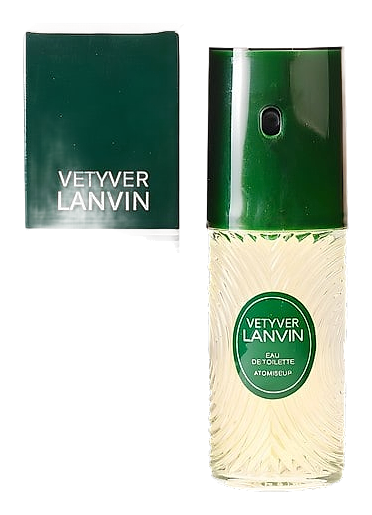
Vetyver arrived in 1964 from Lanvin, a French house whose name carries weight in the world of Parisian fashion and fragrance. By the time the mid-sixties rolled around, the brand had built a reputation for treating perfume as serious composition rather than seasonal novelty, and Vetyver stepped into that lineage as a vetiver-forward eau de toilette that took the earthy root seriously, surrounding it with citrus brightness and a full spice cabinet rather than letting it stand bare. The vetiver note sits at the center from first spray to final trace, given room to speak but never left alone, flanked by aromatic herbs, warming spices, and a floral undertow that softens the composition without dulling its edges. The timing matters for another reason too.
What separates this from the herd of vetiver fragrances is the heart. Bay leaf and clove arrive alongside the expected iris and rose, building a spiced herbal layer that most vetivers skip entirely. The jasmine and ylang-ylang add a creamy warmth that softens the root's mineral edge without burying it. It's a more romantic composition than its peers, dressed in velvet where others stayed in tweed. The base seals it with Russian leather, Java vetiver, and a mossy labdanum drydown. Russian leather in particular was a marker of formal perfumery by 1964, carrying connotations of fine gloves and paneled libraries.
The evolution
The first fifteen minutes belong to aldehydes and citrus. Bergamot, lemon, and orange open with that lifted, almost fizzy quality, while aldehydes add a soapy, sparkling sheen that some wearers describe as old-fashioned in the best possible way. Petitgrain threads through with its bitter-green edge, and rosemary keeps the opening from drifting into pure cologne territory. The citrus notes dance across the top like sunlight through a window, each one catching a different facet, while the aldehydes smooth everything together with their characteristic waxy shimmer. Then the spice cabinet takes over. Bay leaf leads, followed by clove and cinnamon, with jasmine and rose softening the heat. Iris arrives dusty and powdery, while ylang-ylang contributes a tropical sweetness that prevents the spices from feeling austere.
Cultural impact
Vetyver occupies a specific niche in the history of masculine vetiver fragrances. Released in 1964, it entered a category that was already gathering momentum, and it brought something distinctive to the conversation by leaning more floral and aromatic than many of its contemporaries. The fragrance has been discontinued for years, and that scarcity has shaped how it's remembered and discussed among enthusiasts who encountered it in its original run or through vintage bottles that surface from time to time.