

The Story
Why it exists.
The beginning
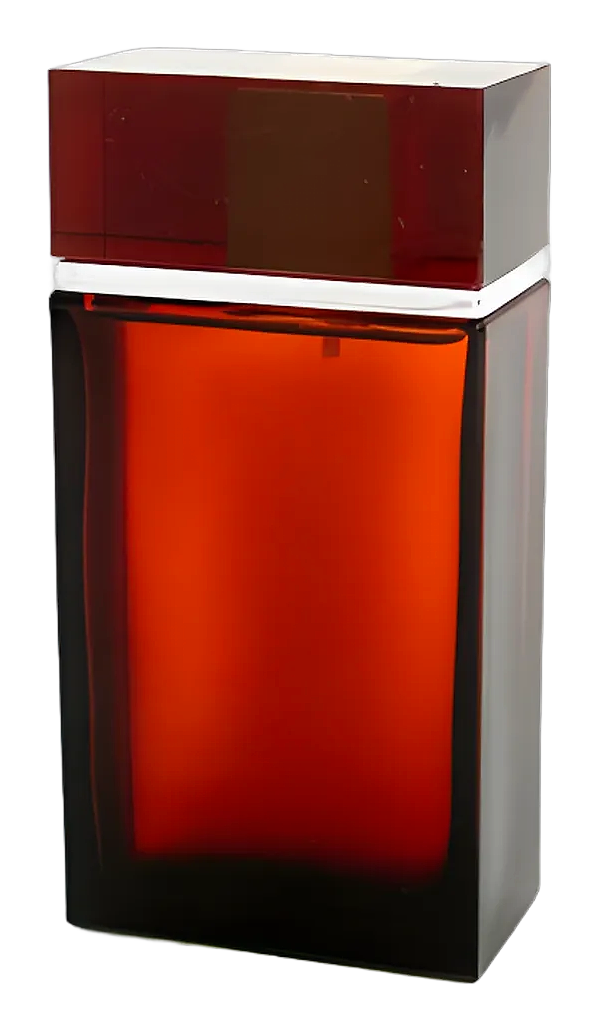
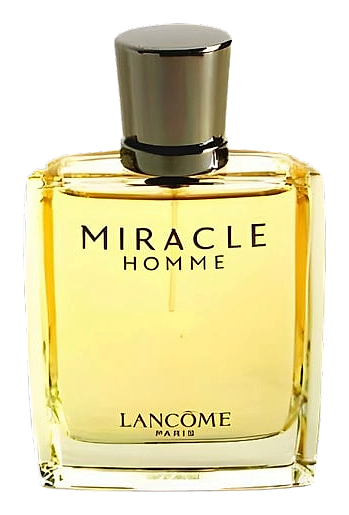
Francis Kurkdjian built Miracle Homme in 2001 with a clear intent: masculine sophistication that didn't shout. Kurkdjian, whose background bridges aromatic chemistry and haute couture perfumery, designed this for the man who earns attention rather than demanding it. The name says miracle, but the composition says work.
What makes this structure unusual is its opening. Oakmoss as a top note creates an astringent, almost cold impression, not the warm welcome most masculine fragrances of the era were chasing. Into that cool space, coffee arrives slowly, rich and dark. Cedar, Brazilian rosewood, vetiver build the woody architecture underneath. The tension between that sharp green opening and the warm coffee heart is what separates this from the usual cedar-linear compositions. It's a fragrance that asks something of you before it gives anything back.
The evolution
The opening hits austere and dry, oakmoss cutting through with something almost boozy, like mahogany and red pepper fused together. Thirty minutes in, the coffee asserts itself. Not sweetness. The bitter, aromatic weight of the real thing. Cedar and vetiver build a backdrop that's formal, almost stern. The Brazilian rosewood adds a quiet floral-woody undertone that keeps the heart from becoming too heavy. By the second hour, the drydown settles. Guaiac wood and maple leaf take over, smoky, slightly sweet, woody in the most classic sense. The coffee never fully disappears. It lingers beneath, patient, warm. Four to six hours of close-to-skin presence. The next morning, there's a faint maple-cedar warmth on the wrist. Still there.
Cultural impact
Miracle Homme arrived in 2001 as a counterpoint to the louder masculine releases of its era. While others pushed projection and sillage, this one played a quieter game, moderate presence, formal character, a fragrance built for the kind of confidence that doesn't need a room to notice. Discontinued now, it has maintained a quiet cult following among those who remember it and those who discovered it after. Kurkdjian, who would go on to create some of the most iconic fragrances in contemporary perfumery, showed here an early preference for restraint over spectacle, a signature that would define much of his later work.
The House
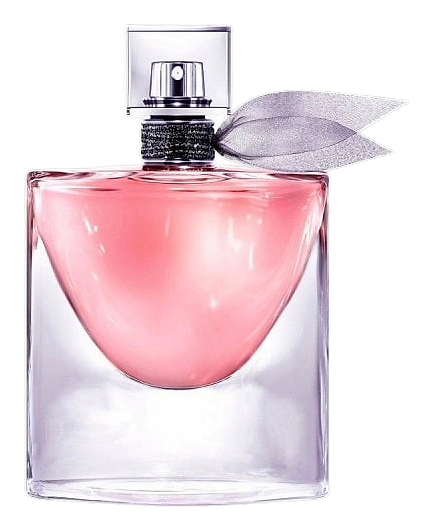
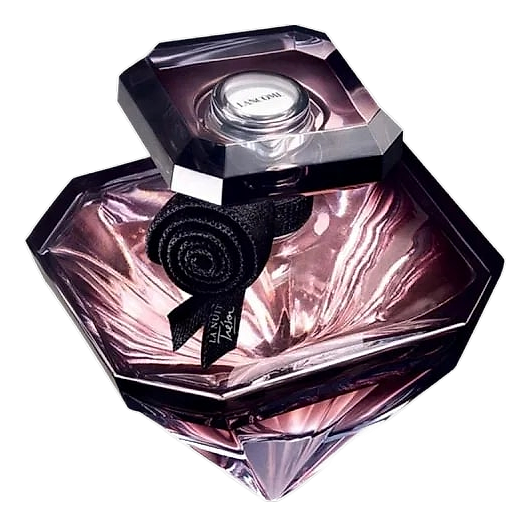
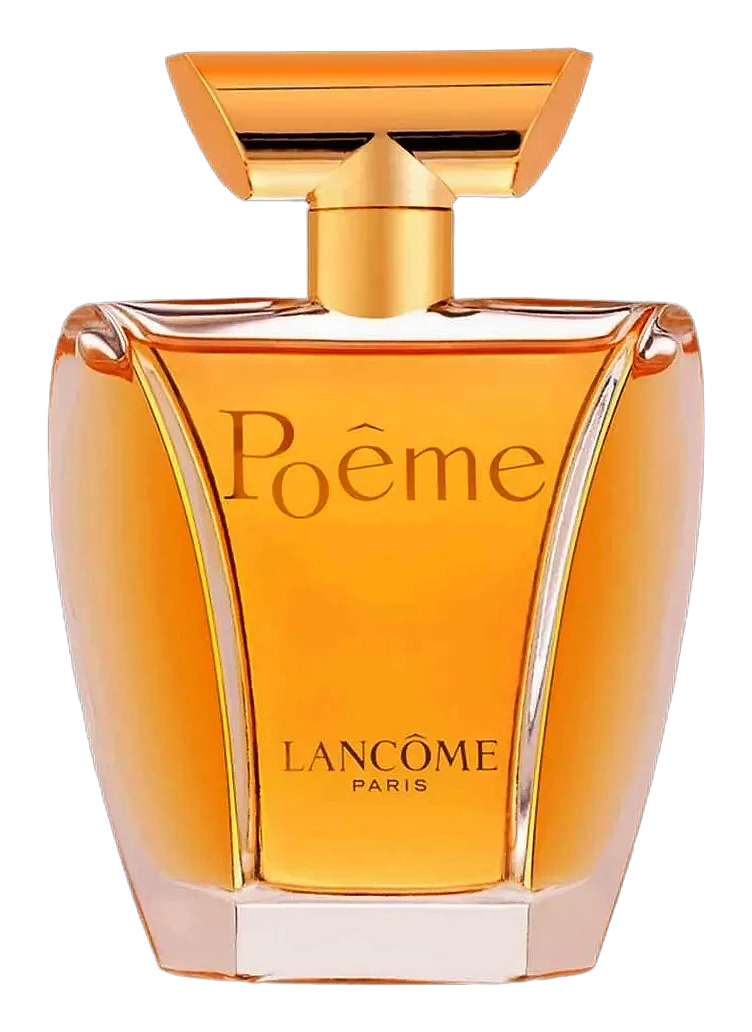
LancômeLancôme stands as one of France's most enduring luxury beauty houses, a name synonymous with elegant femininity and the art of French perfumery. Founded in 1935 by Armand Petitjean, the house emerged during economic uncertainty with a clear mission: to bring prestige back to beauty after witnessing the mass-market drift of his former employer. Today, operating under L'Oréal's luxury division, Lancôme balances heritage with modernity, crafting fragrances like La Vie Est Belle and Trésor that have become global icons while maintaining the golden rose emblem that has marked its bottles for nearly ninety years.
The Creator
Francis KurkdjianFrancis Kurkdjian's signature style is characterized by a remarkable luminosity and a sophisticated elegance. He often employs a radiant, almost translucent quality in his compositions, even when working with rich or dense materials.