Maple Leaf
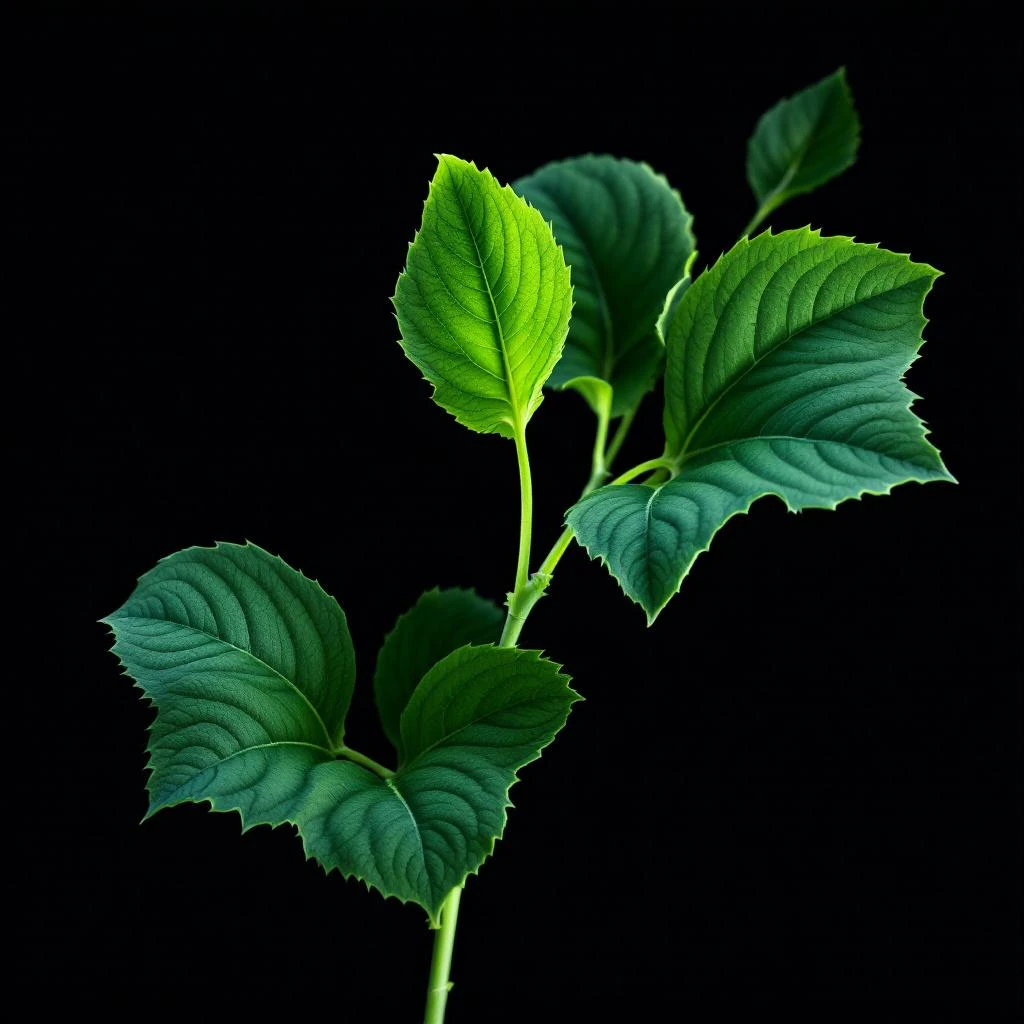
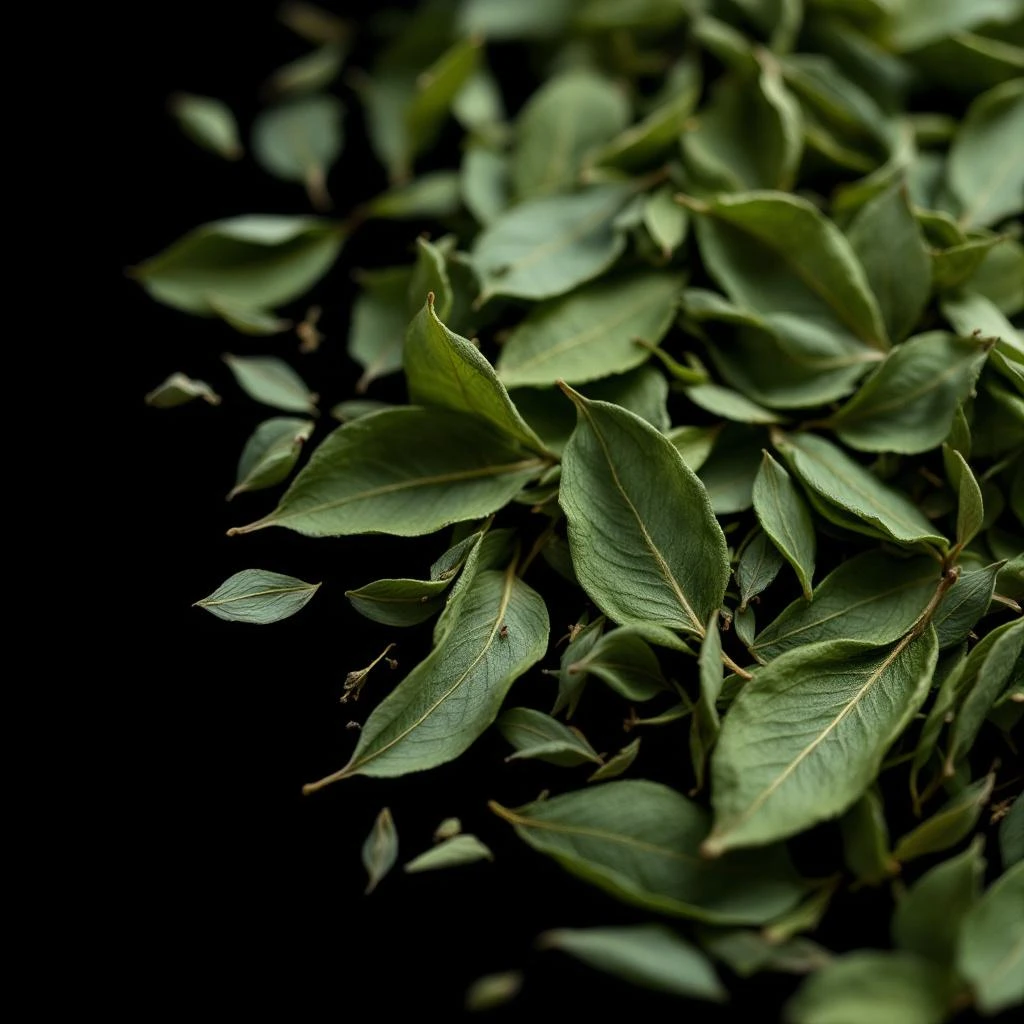
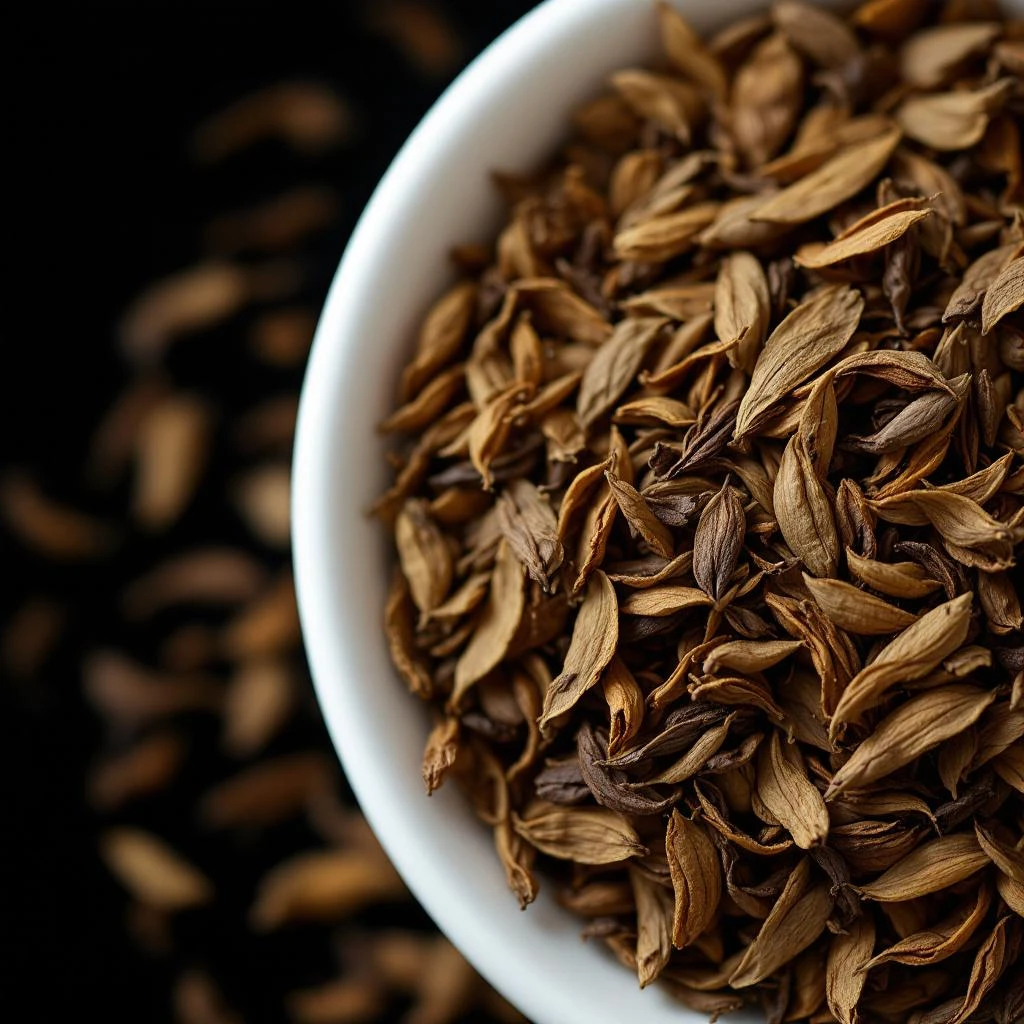
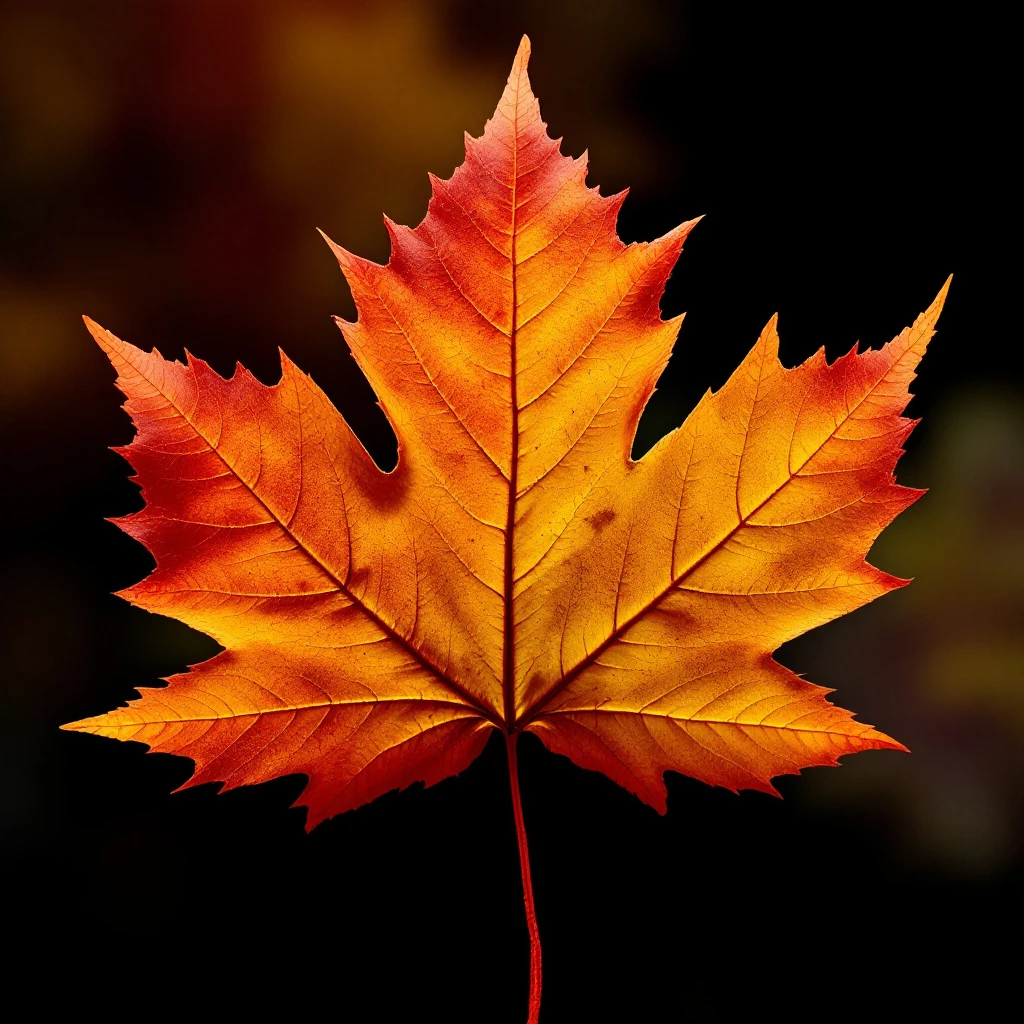
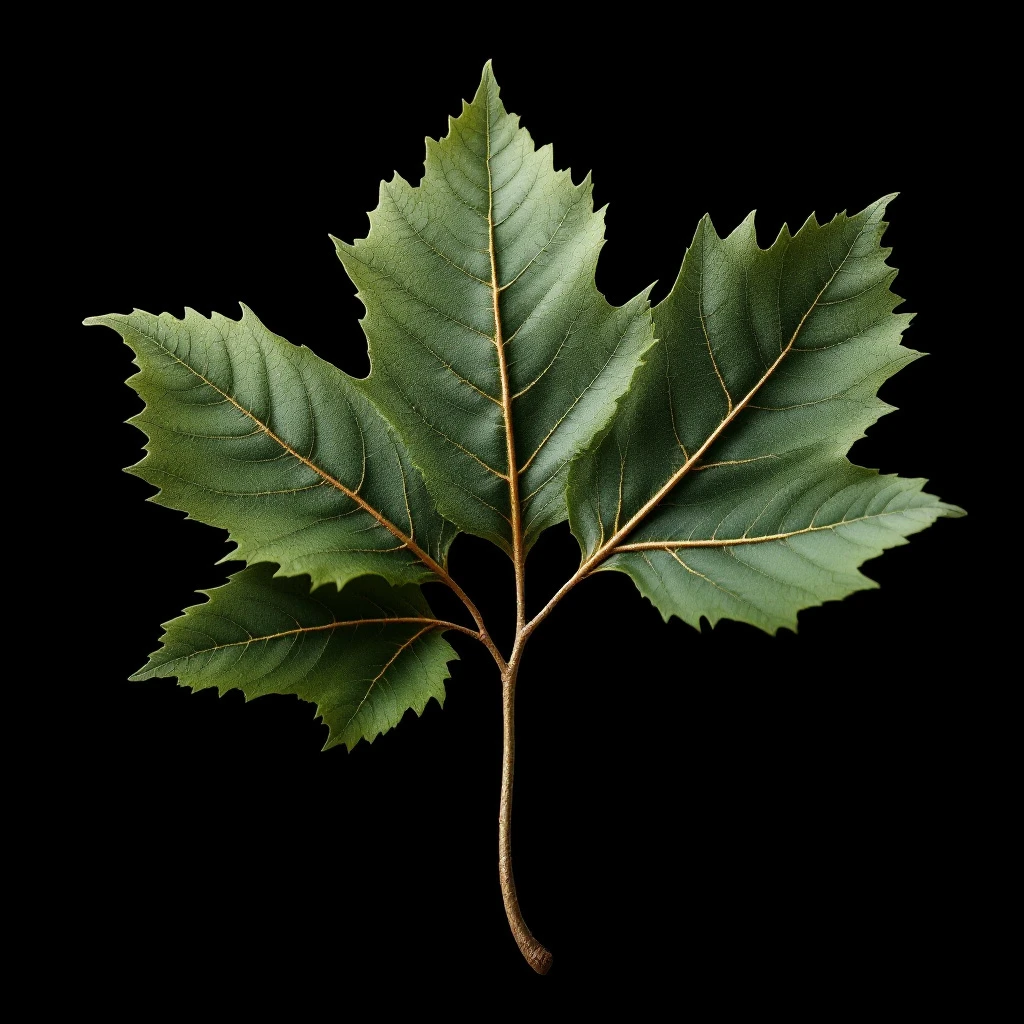
Maple leaf absolute captures autumn's last breath—the warm, sweet, and earthy aroma of fallen leaves transforming on the forest floor. Perfumers value this North American ingredient for its nostalgic depth and unique character in woody compositions.
Character
How it smells
Autumn's signature: warm, sweet, woody.
The same species that produces maple syrup yields an equally evocative fragrance ingredient from its autumn leaves.


Origin
Canada
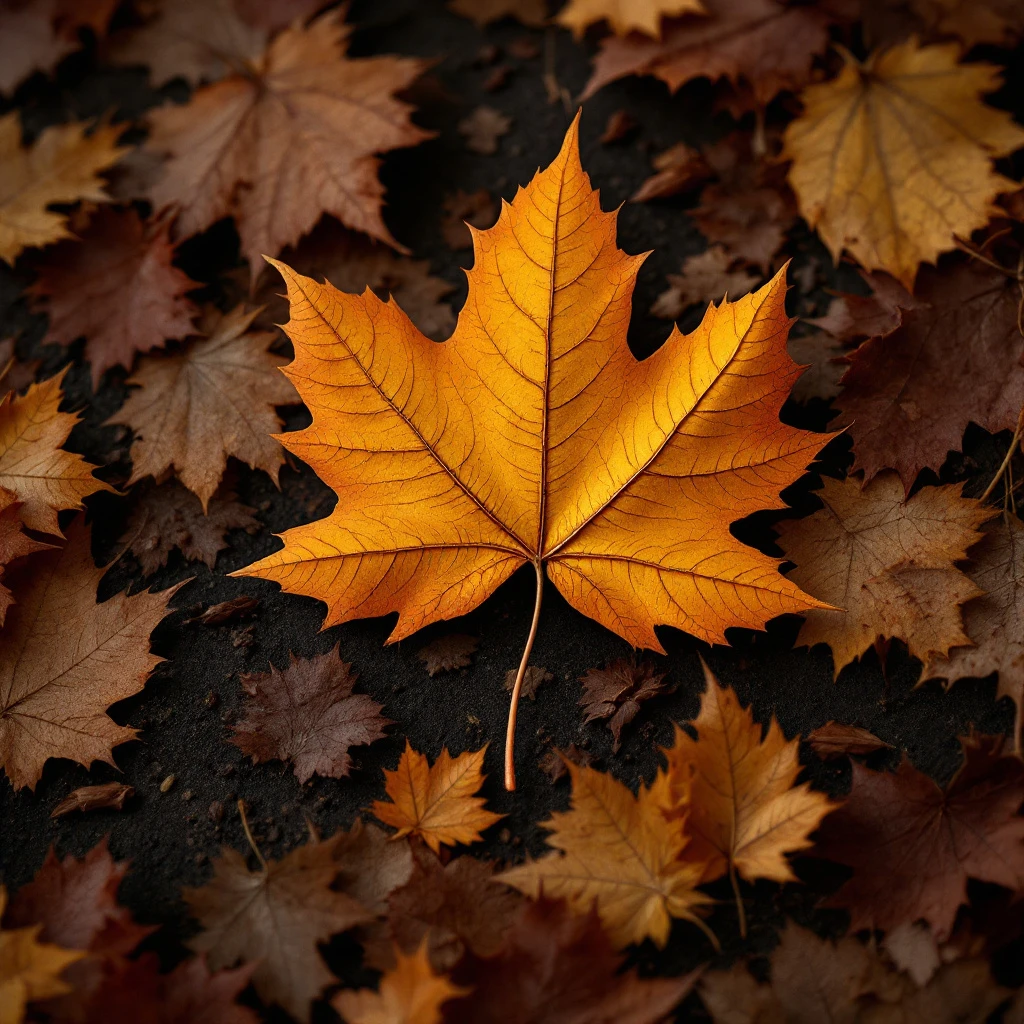
While maple has been central to North American culture for centuries—particularly for syrup production—the use of its leaves in perfumery is a relatively recent development. Indigenous peoples of the region had extensive relationships with maple, though the fragrant application of leaves emerged later. The practice of harvesting autumn leaves for perfumery gained traction in the late 20th century as perfumers sought unique regional ingredients.
Today, maple leaf absolute represents a distinctly North American contribution to the global perfumery palette, offering a way to bottle the ephemeral sensory experience of autumn forests into wearable form. Its emergence parallels a broader industry trend toward unconventional botanicals.
Wears it best
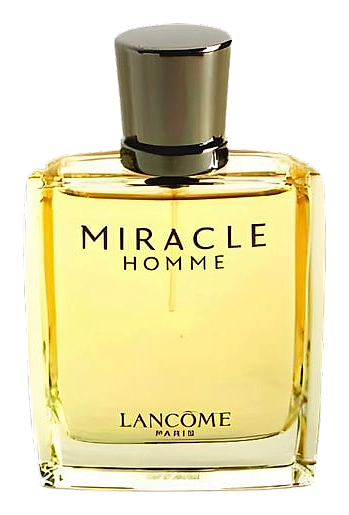
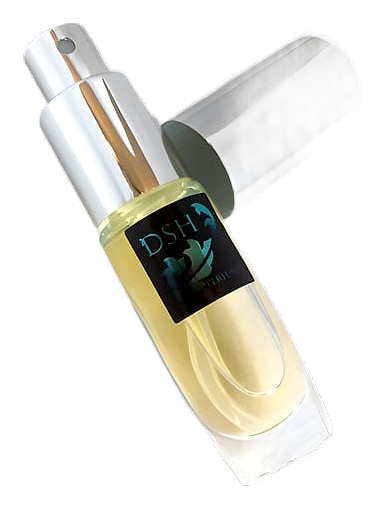
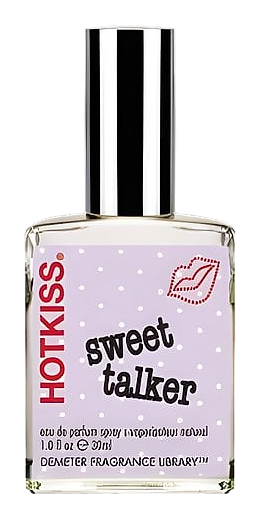
Fragrances featuring Maple Leaf
Brands
Brands known for Maple Leaf
Good to know
Questions, answered
The essentials on Maple Leaf in perfumery: how it smells, where it comes from, and how it behaves on skin.
What does maple leaf smell like in perfumery?
Maple leaf absolute has a warm, sweet, and earthy aroma reminiscent of dried autumn leaves, with subtle notes of maple sugar, damp wood, and mild petrichor.
Is maple leaf a natural fragrance ingredient?
Yes, maple leaf absolute is a natural ingredient extracted from dried autumn maple leaves using solvent extraction methods.
What type of maple is used for fragrance?
Red maple (Acer rubrum) and sugar maple (Acer saccharum) are the primary species used, with sugar maple being more common due to its higher aromatic concentration.
How is maple leaf absolute produced?
Leaves are harvested in autumn, dried, then processed through solvent extraction using food-grade solvents to obtain a concrete, which is further refined into absolute.
What fragrance families use maple leaf?
Maple leaf appears most often in woody, amber, oriental, and chypre compositions, where it adds warmth and nostalgic autumnal character to base notes.
What concentration is maple leaf typically used at?
In fragrance formulations, maple leaf absolute is typically used at low concentrations, usually between 0.1 and 2 percent, as a background note.
Where does maple leaf absolute originate from?
The ingredient originates from North American maple forests, with primary production concentrated in Canada and the northeastern United States.
Is there a synthetic alternative to maple leaf?
Synthetic maple lactone exists and can replicate the distinctive maple sugar sweetness, but it lacks the full complexity of natural maple leaf absolute.