Sycamore maple
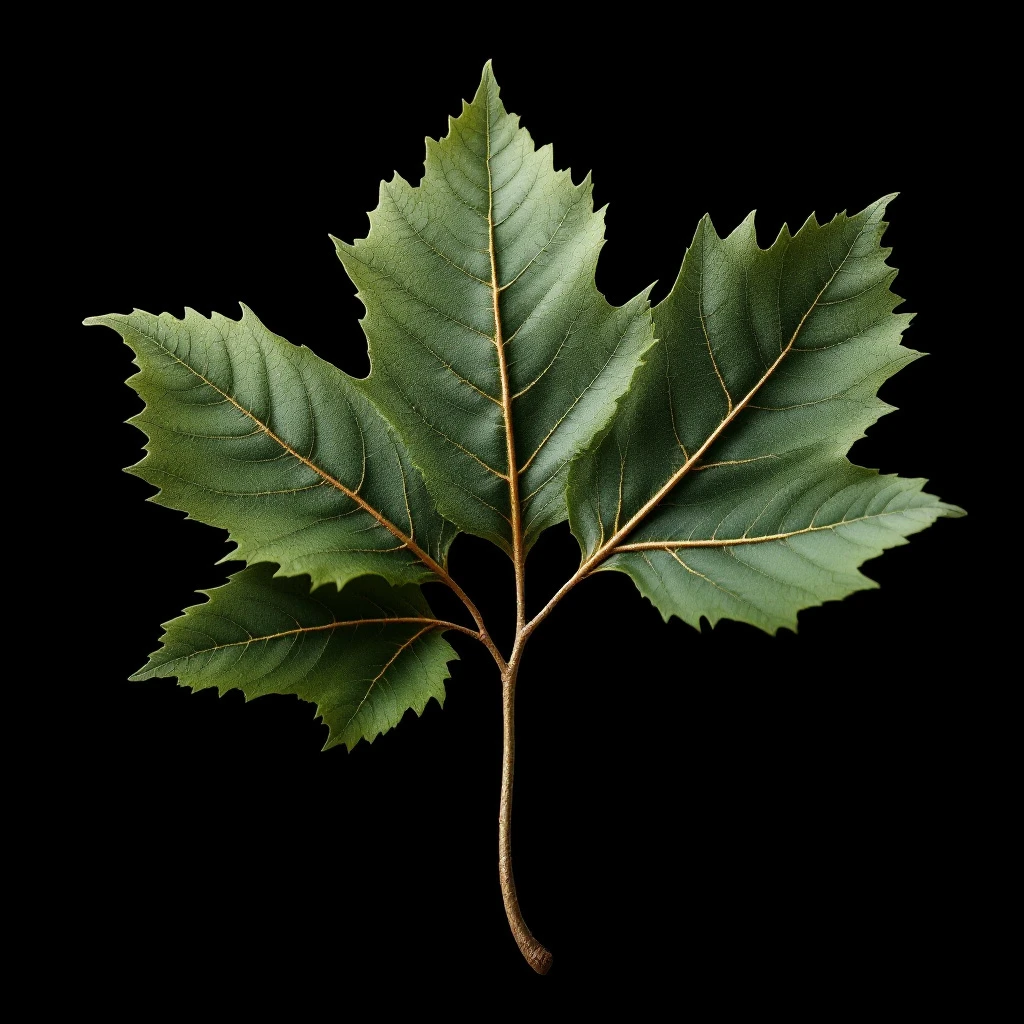
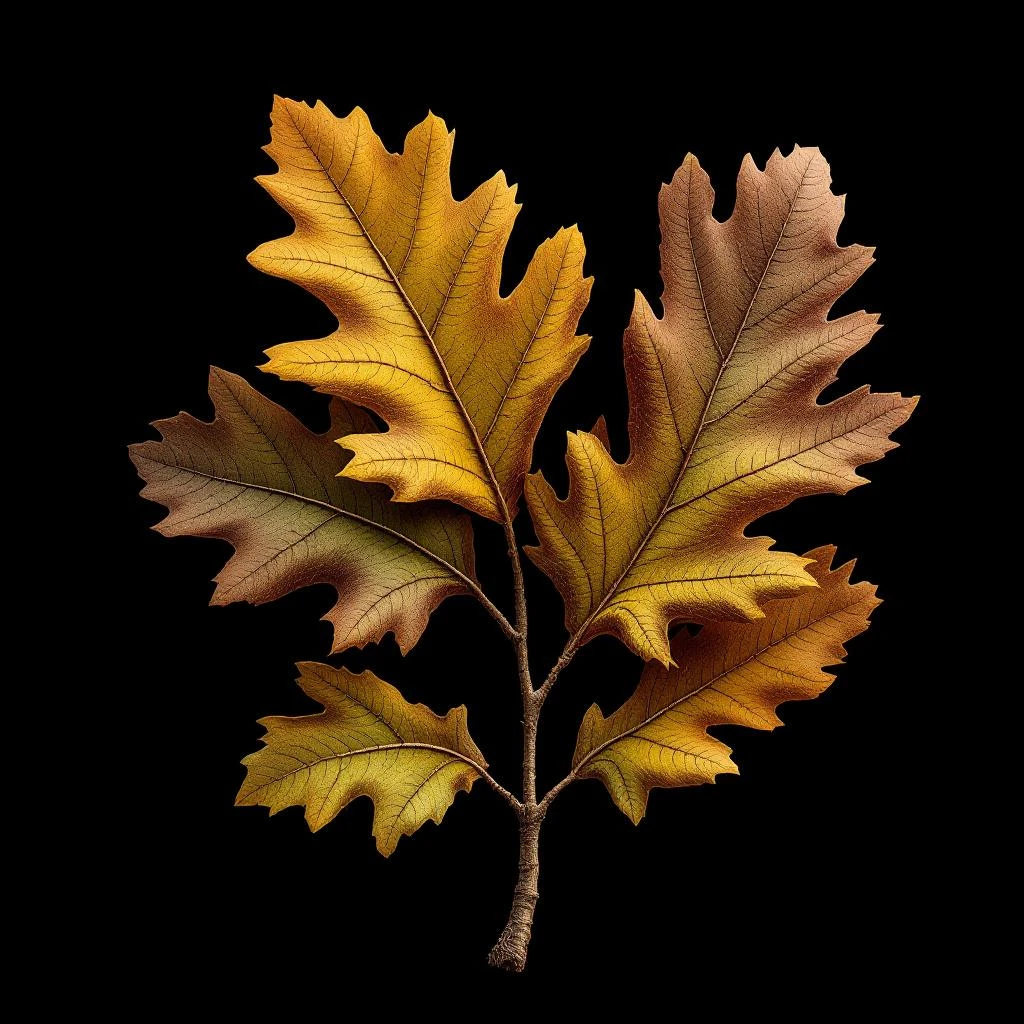
Sycamore maple brings warm, woody depth with hints of forest floor and autumn air to perfumery. Rare in natural form, its complex character is often recreated synthetically to capture that distinctive maple essence. A botanical bridge between ancient forests and modern fragrance creation.
Character
How it smells
Autumn's quiet fragrance distilled
Sycamore maple seeds twirl like tiny helicopters as they fall, traveling up to 100 meters from the parent tree on a single gust of wind.


Origin
Austria
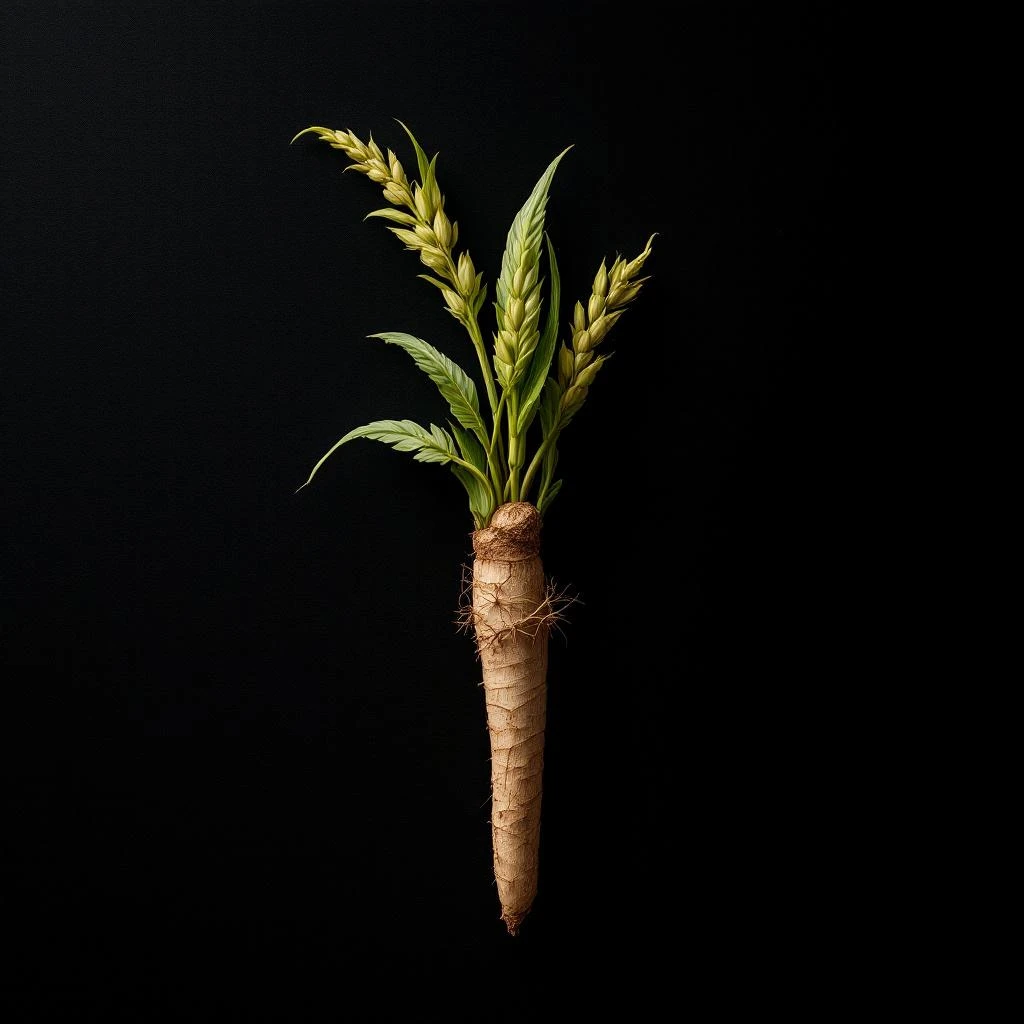
The sycamore maple (Acer pseudoplatanus) has grew across European forests since antiquity, though perfumers only began exploring its aromatic potential in recent centuries. Ancient European traditions utilized various maple species for medicinal and ritual purposes, but the sycamore variety remained largely unexamined by early perfumers. By the 18th century, European botanical explorers documented the tree's presence from the British Isles to the Caucasus region.
The rise of modern perfumery in the 19th century drove interest in unconventional botanical sources, leading experimental perfumers to investigate sycamore maple bark extraction. This curiosity coincided with broader interest in forest-derived ingredients as perfumers sought to capture the essence of woodland landscapes. Contemporary niche perfumers continue exploring this material, drawn by its unique position as both a familiar tree and an uncommon fragrance ingredient.
The sycamore maple's long history in European landscapes makes it a living connection between ancient forests and modern creative perfumery.
Wears it best
Fragrances featuring Sycamore maple
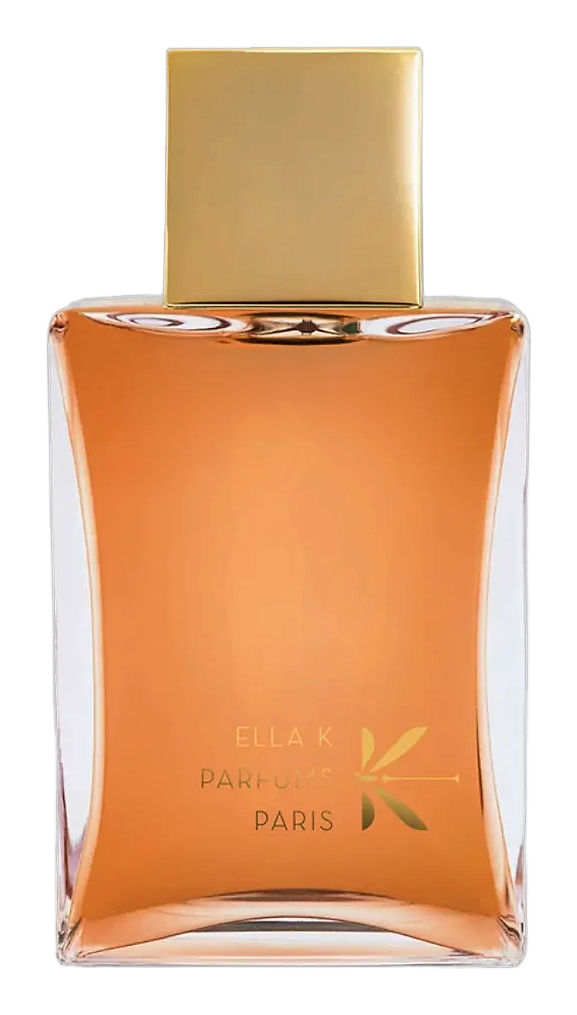
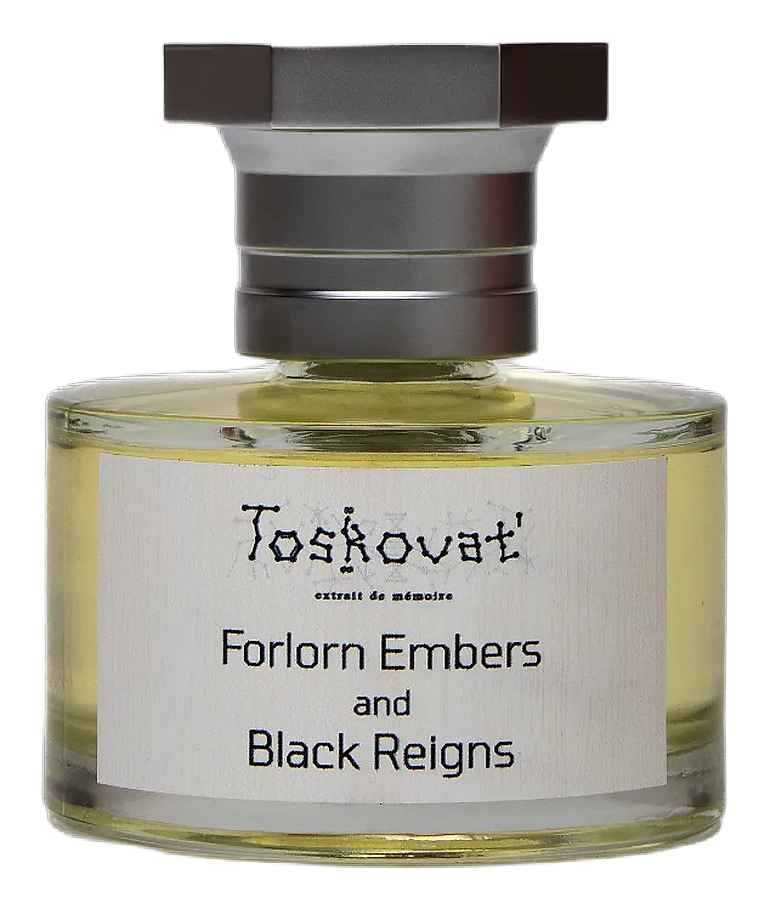
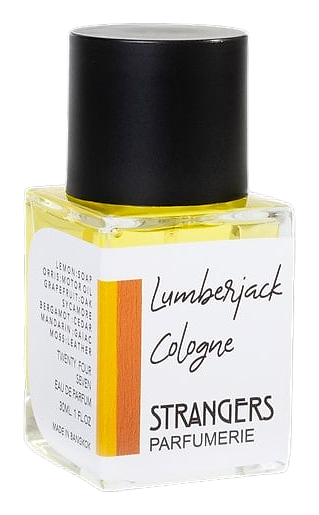
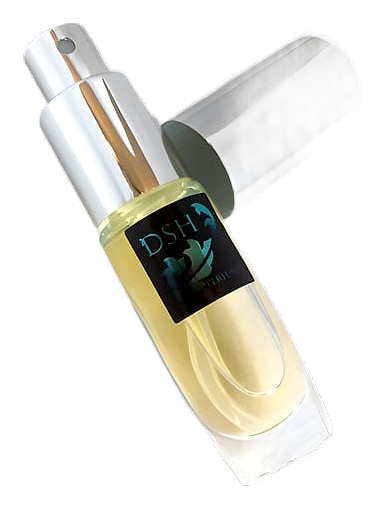
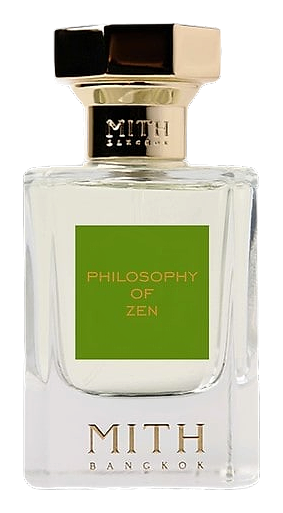
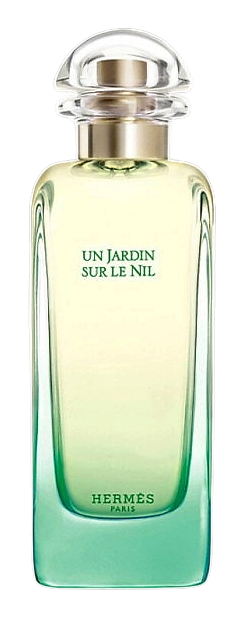
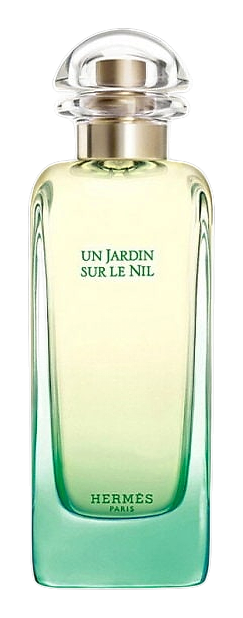
Brands
Brands known for Sycamore maple
Good to know
Questions, answered
The essentials on Sycamore maple in perfumery: how it smells, where it comes from, and how it behaves on skin.
What does sycamore maple smell like?
Sycamore maple contributes warm, woody aroma with subtle sweetness reminiscent of autumn forests. The scent carries undertones of damp bark and dried leaves, creating an earthy depth that suits woody and aromatic fragrance families.
Is sycamore maple available as a natural ingredient?
Natural sycamore maple absolute exists but remains uncommon in perfumery. Limited extraction yields and seasonal availability make it expensive. Most commercial fragrances using maple notes rely on synthetically recreated accords.
What fragrance families use sycamore maple?
Sycamore maple appears primarily in woody, aromatic, and chypre fragrances. Perfumers pair it with oakmoss, vetiver, and conifer materials to enhance its forest-like character and create seasonal fragrance themes.
Where does sycamore maple grow?
Acer pseudoplatanus thrives across Central Europe from Austria to the Balkans, with significant populations in Alpine and Carpathian regions. The tree prefers cool mountain climates with well-drained soil.
Can I substitute another ingredient for sycamore maple?
Synthetic maple accord provides consistent results without natural material dependency. Blending coumarin with woody materials and sweet undertones can approximate the maple character for fragrance compositions.
How is sycamore maple harvested for perfumery?
Bark and wood harvest during selective pruning when forestry management trims mature trees. This sustainable approach yields aromatic materials without destroying the specimen, allowing continued growth and future harvests.
What historical uses exist for sycamore maple?
Ancient Europeans used various maples for medicinal preparations and ritual purposes. Sycamore maple specifically entered perfumery discussions only in the 19th century when perfumers expanded beyond traditional ingredients.
Is sycamore maple safe for skin application?
When properly distilled and diluted, sycamore maple materials meet IFRA safety guidelines for cosmetic use. Consult specific supplier documentation for concentration limits and allergen information before formulation.