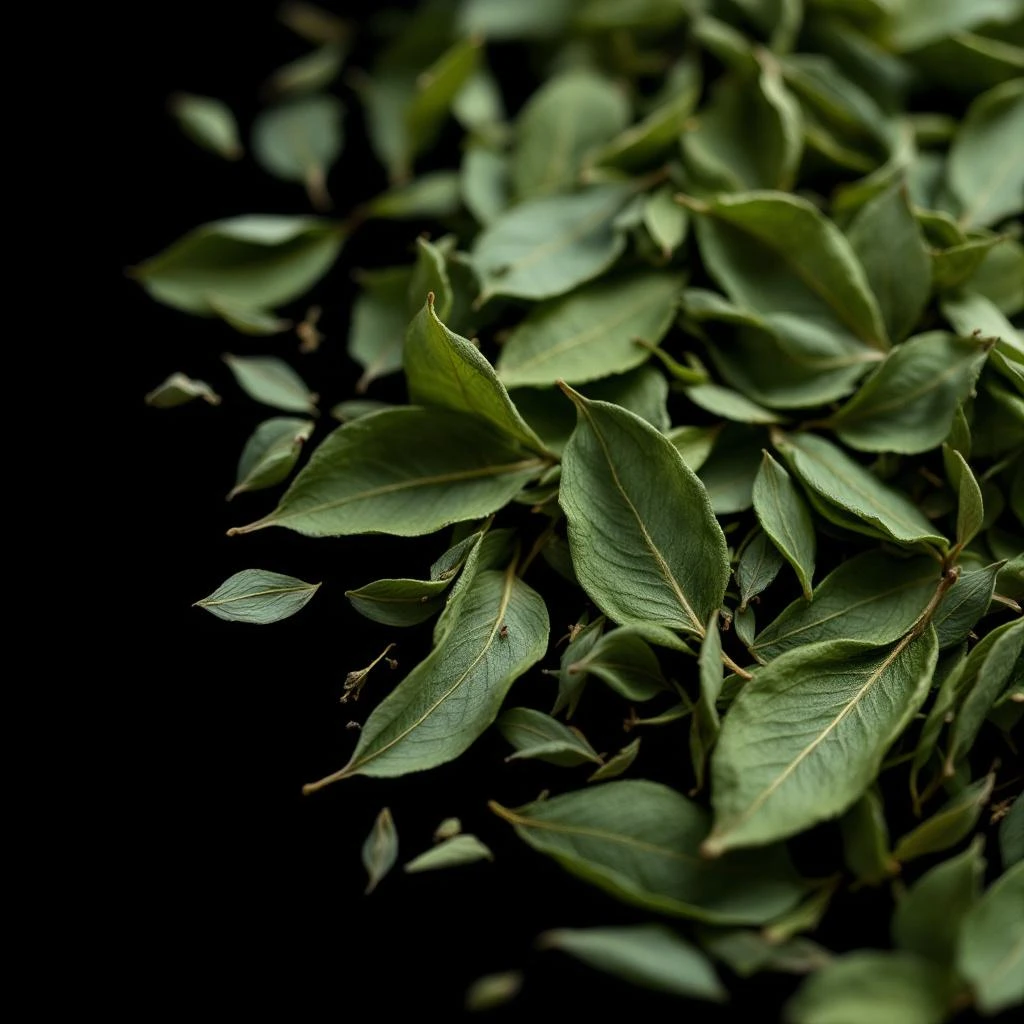
Dried Fallen Leaves
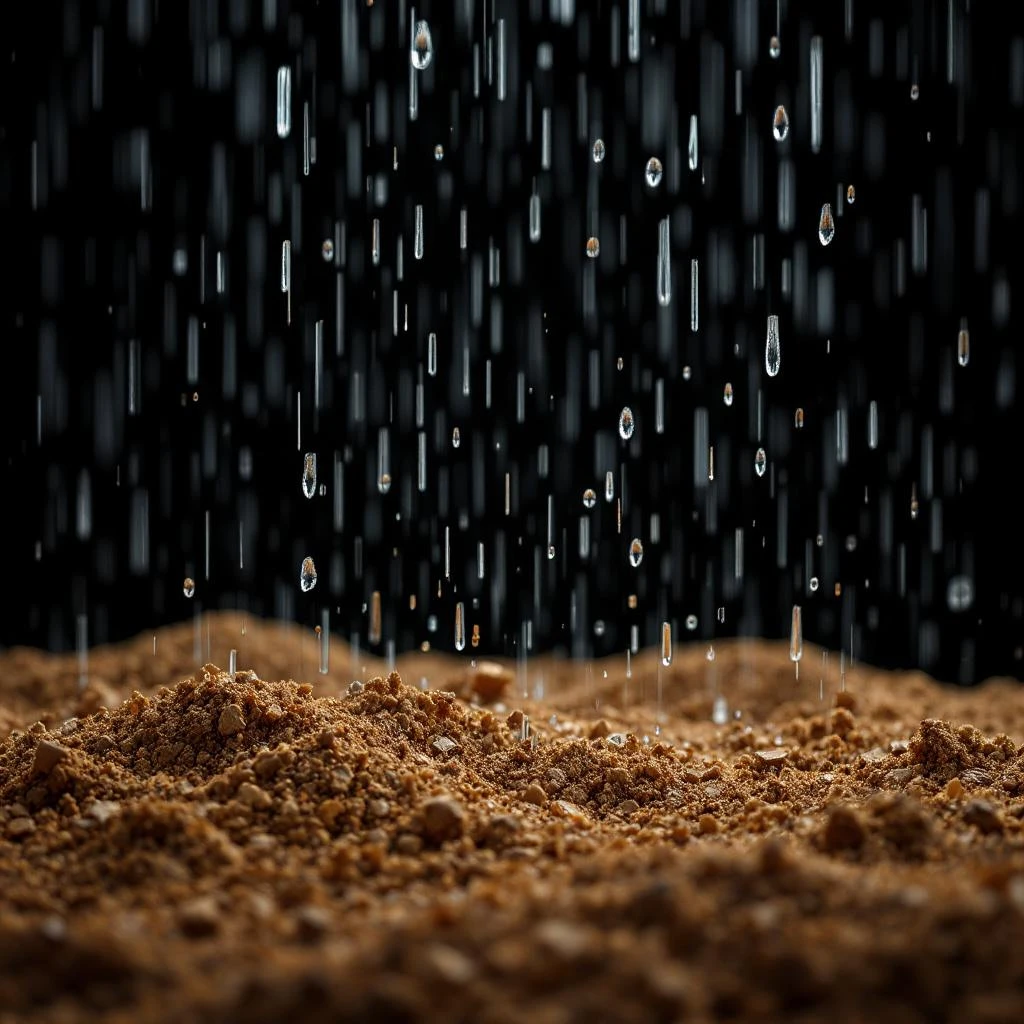
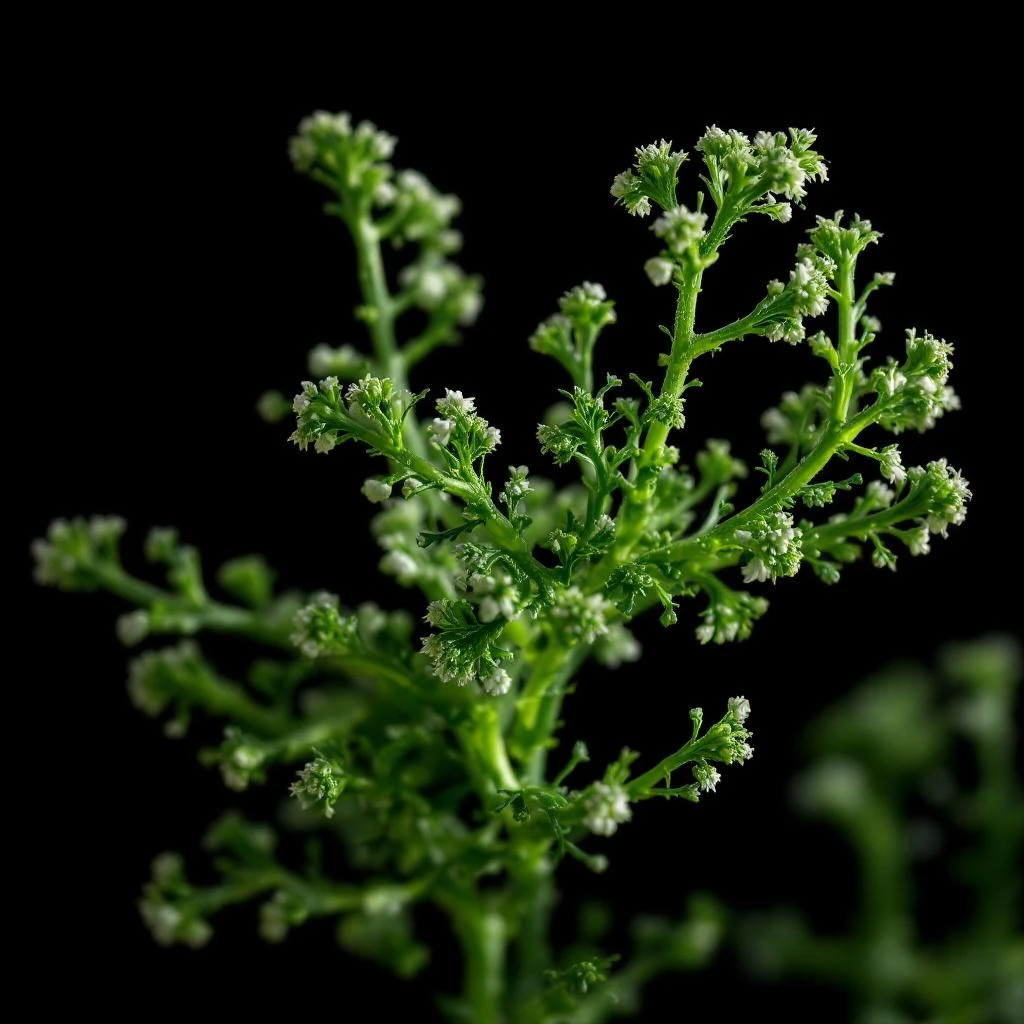
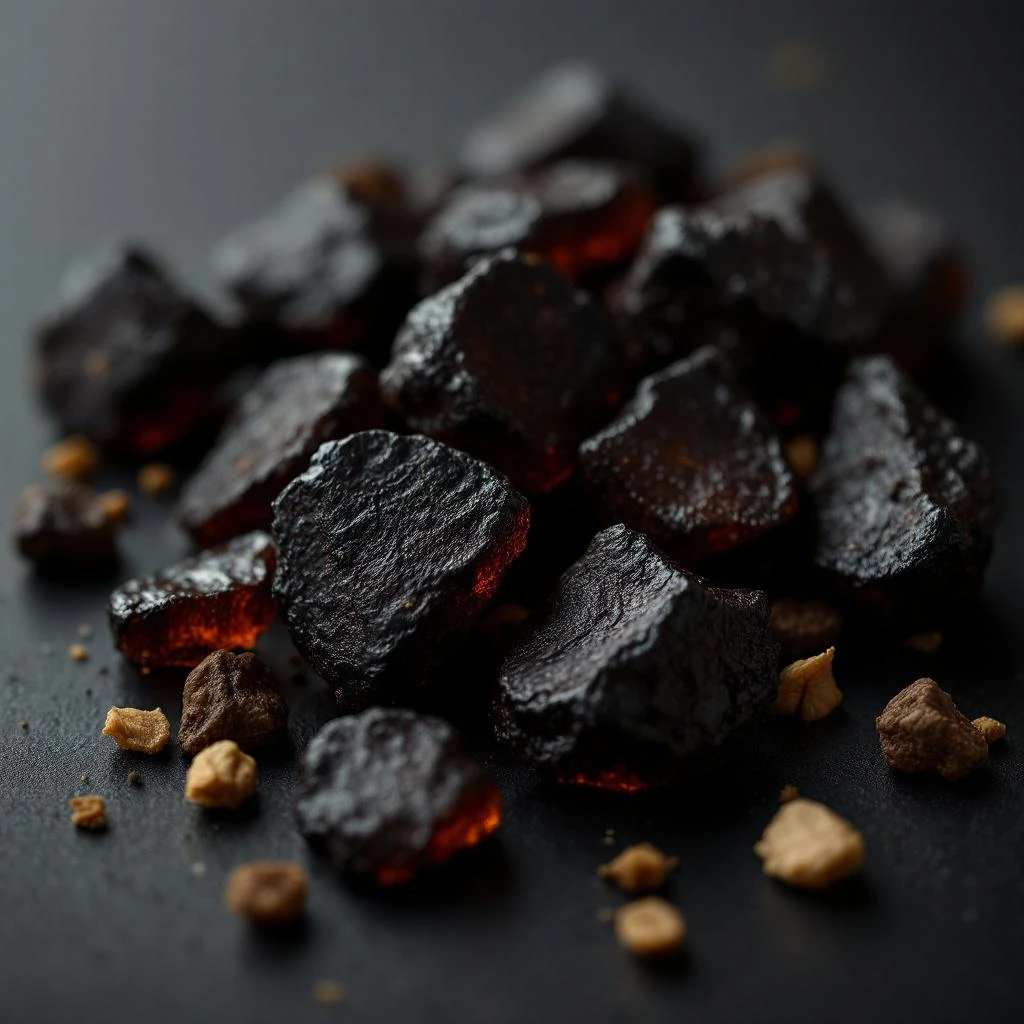
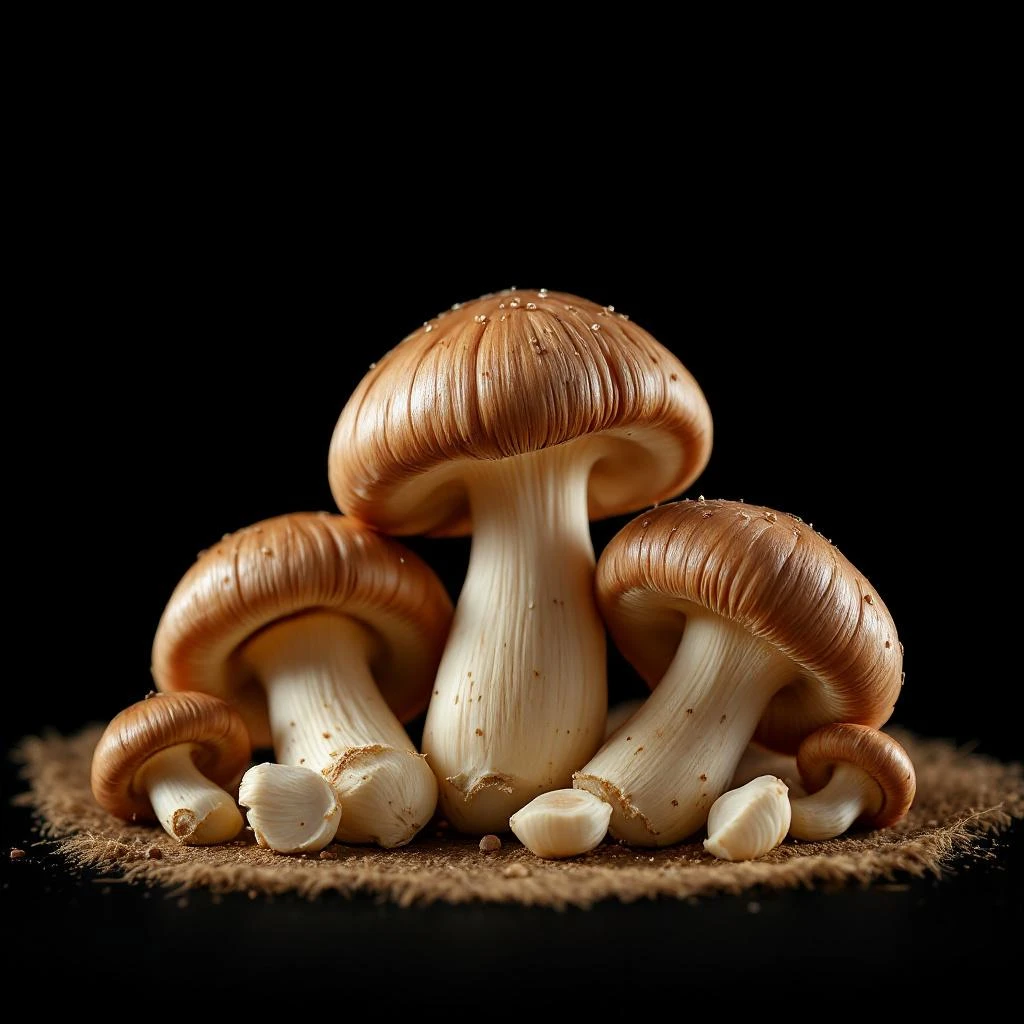
A evocative accords capturing autumn's final act: the earthy, slightly sweet aroma of leaves releasing their final breath. Think petrichor before rain, wet bark, and the quiet decomposition that returns forest floor to earth. Nostalgia distilled into a bottle.
Character
How it smells
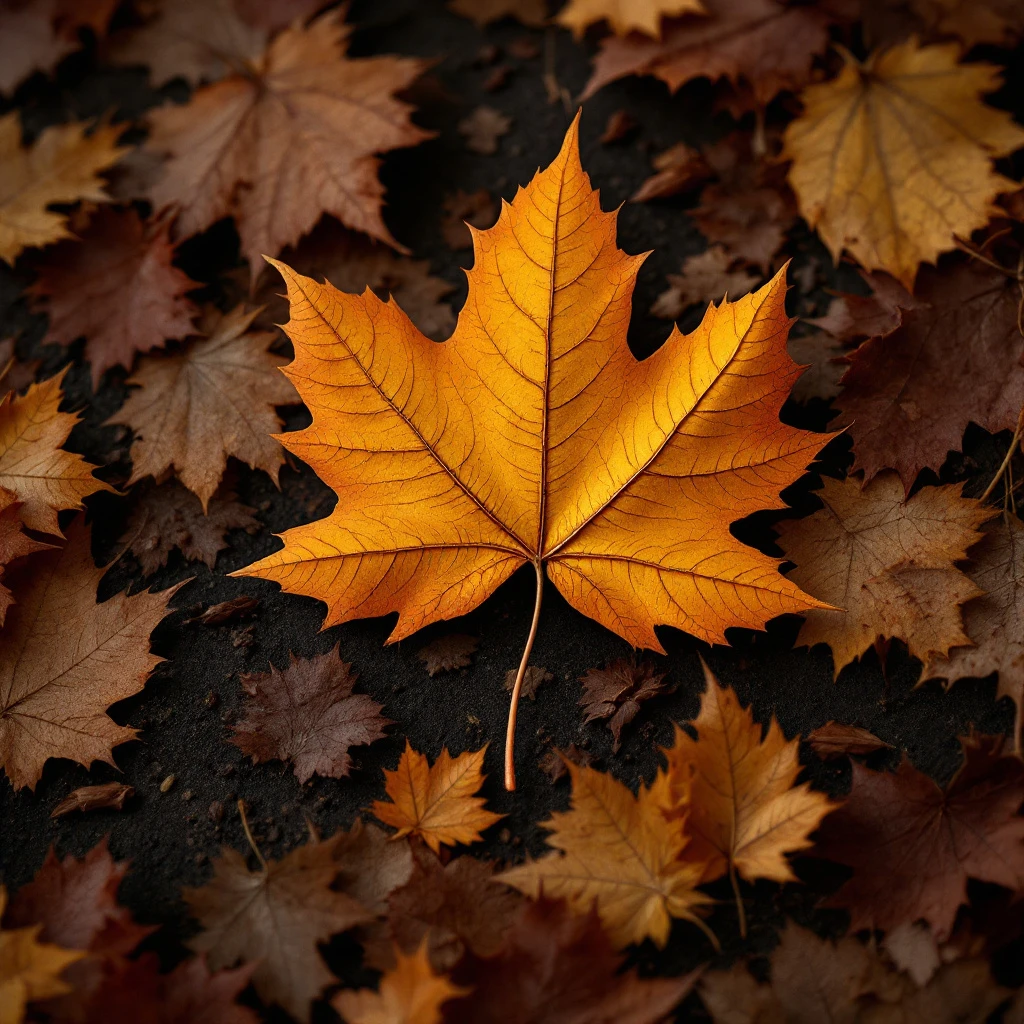
Autumn's carpet, captured in fragrance.
Leaves produce geosmin, the same compound that gives petrichor its fresh scent, as they break down and return nutrients to forest soil.

Origin
France
Long before perfumers codified leaf notes, humans scattered fallen leaves for practical and ritual purposes. Ancient Egyptians imported Mediterranean leaf products for incense. Medieval Europeans strewed herbs and leaves on floors for fragrance and sanitation.
The Victorian era saw采集 fallen leaves bundled for sachets, the precursor to modern botanical perfumery. Autumn's scent became associated with contemplation and memory across cultures. In Japan, momiji (maple leaf viewing) celebrates seasonal change.
By the early 20th century, perfumers like Guerlain began systematically recreating these natural tableaux, with fallen leaf accord appearing prominently in legendary fragrances from Chanel and Givenchy. Today, this note connects wearers to cyclical renewal, the quiet transition from growth to dormancy that ancient peoples understood instinctively.
Wears it best
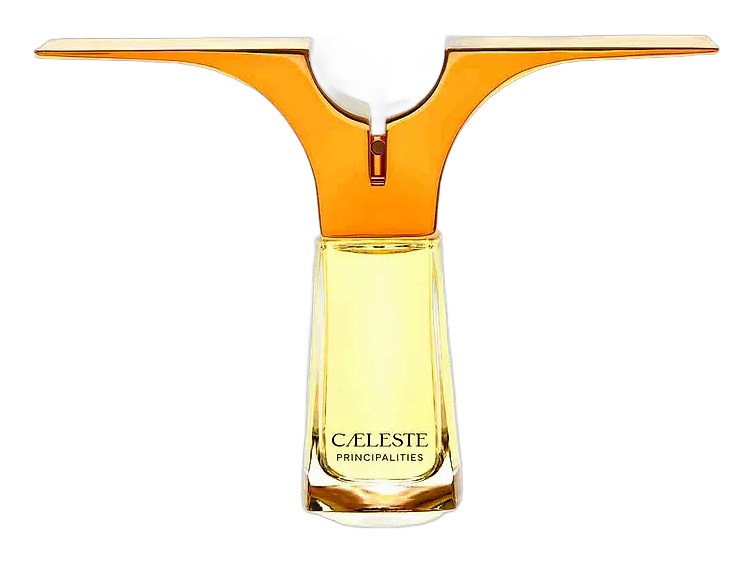
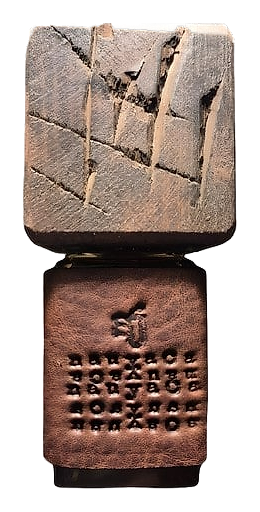
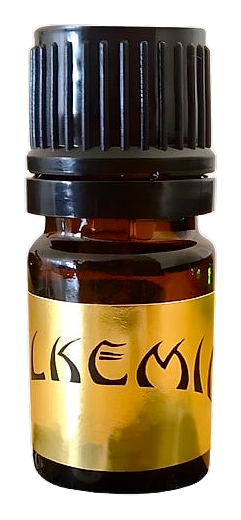
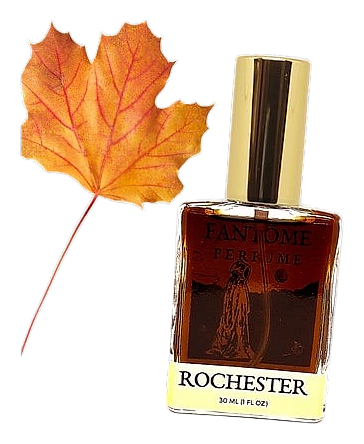
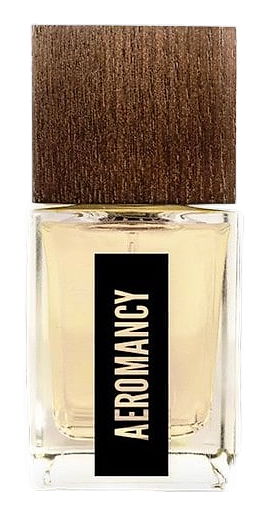
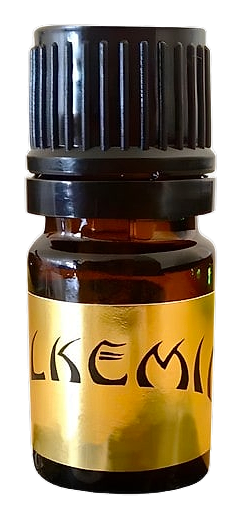
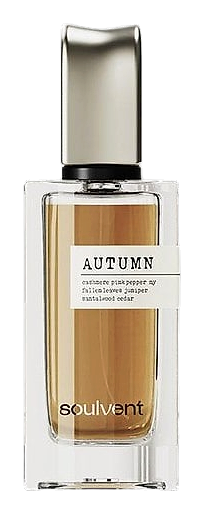
Fragrances featuring Dried Fallen Leaves

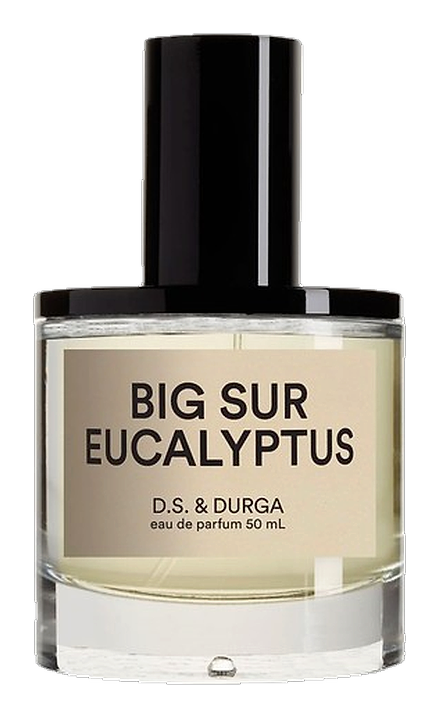
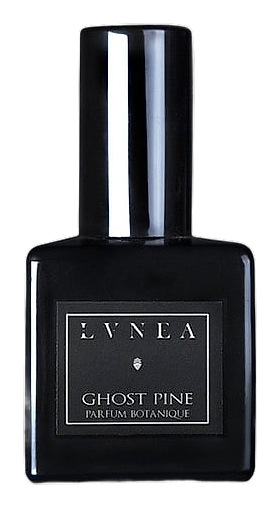
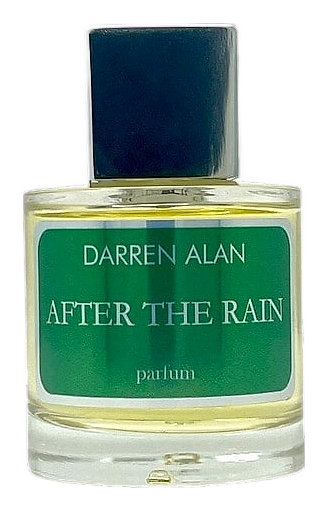
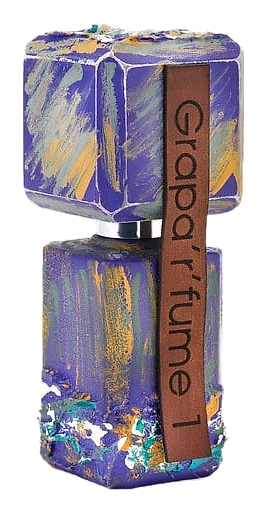
Brands
Brands known for Dried Fallen Leaves
Good to know
Questions, answered
The essentials on Dried Fallen Leaves in perfumery: how it smells, where it comes from, and how it behaves on skin.
What does dried fallen leaves smell like?
It combines earthy, waxy green notes with subtle sweetness and musty undertones. The profile evokes autumn rain on forest floors, decompose, and quiet nostalgia.
Is dried fallen leaves a natural fragrance ingredient?
It is typically an accord combining natural leaf extracts with aromatic synthetics. No single extract perfectly captures the entire fallen leaf experience.
Which extraction methods capture fallen leaf scent most effectively?
Supercritical CO2 extraction yields the most complete aromatic profile. Solvent extraction produces absolutes with rich, complex undertones suitable for perfumery.
Which tree species produce the best fallen leaf notes?
Oak, beech, maple, and birch yield the most valued leaf notes. Oak provides tannic sophistication; maple adds sweet undertones; birch contributes crisp, wintergreen nuances.
When do perfumers harvest fallen leaves?
Optimal collection occurs 3-5 days after autumn leaf fall, before excessive moisture degradation. Timing varies by geographic latitude and desired aromatic profile.
How is fallen leaf scent used in perfumery?
It appears in woody, chypre, and fougere families. It adds natural authenticity to base notes, grounding lighter floral or citrus elements with terrestrial depth.
Why do fallen leaves smell different from living leaves?
As leaves die and dry, cellular structures break down, releasing internal compounds and producing new aromatic molecules through enzymatic browning and gentle oxidation.
How does fallen leaf accord differ from tree moss notes?
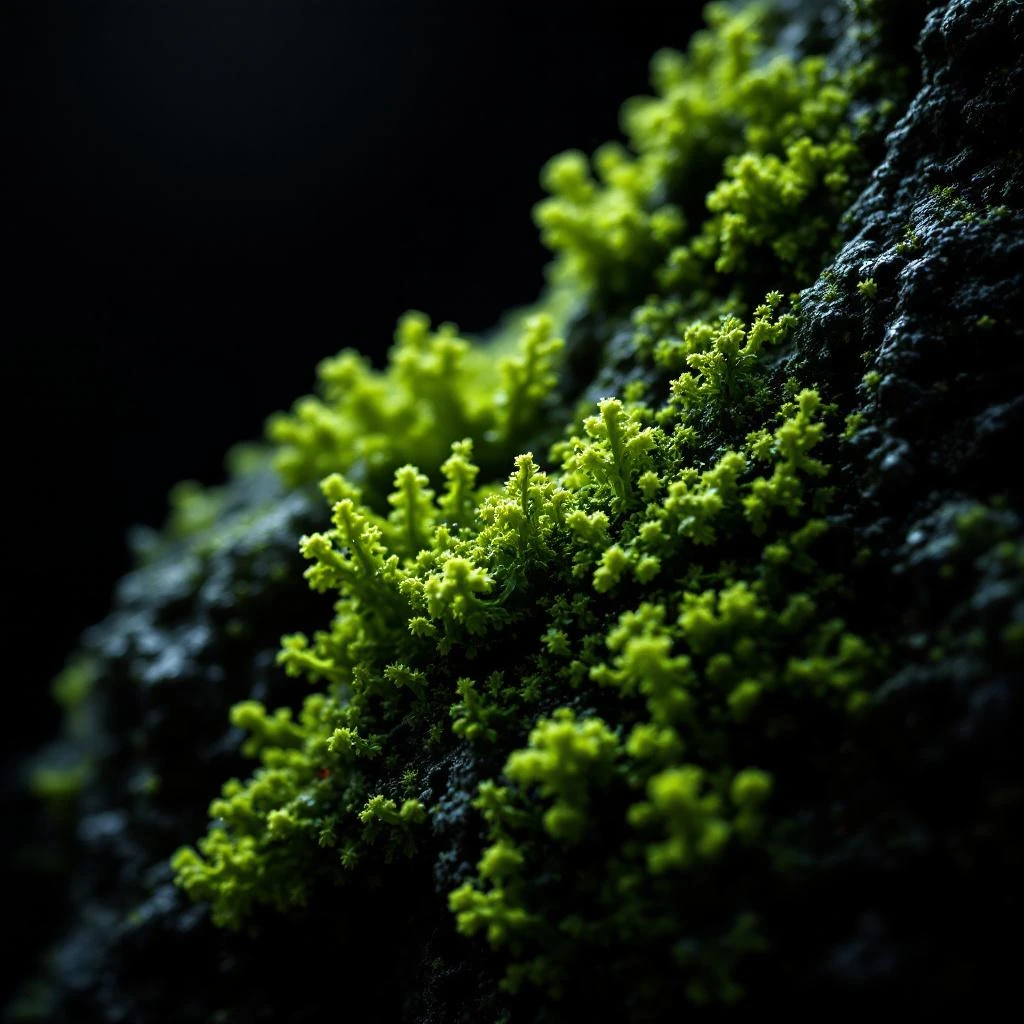
Tree mosses (oakmoss, treemoss) grow attached to bark and retain living compounds. Fallen leaf accord captures decomposing, earthbound qualities distinct from living tree notes.