Maple
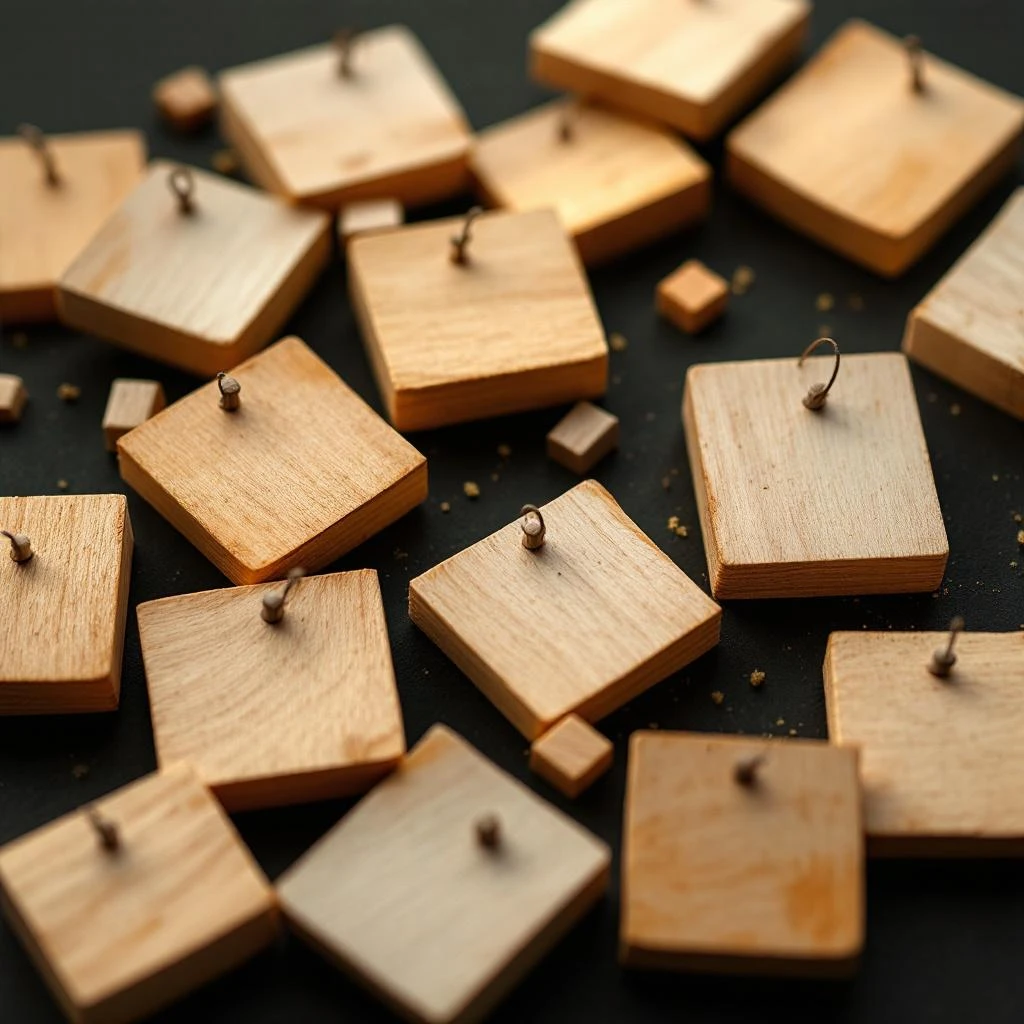
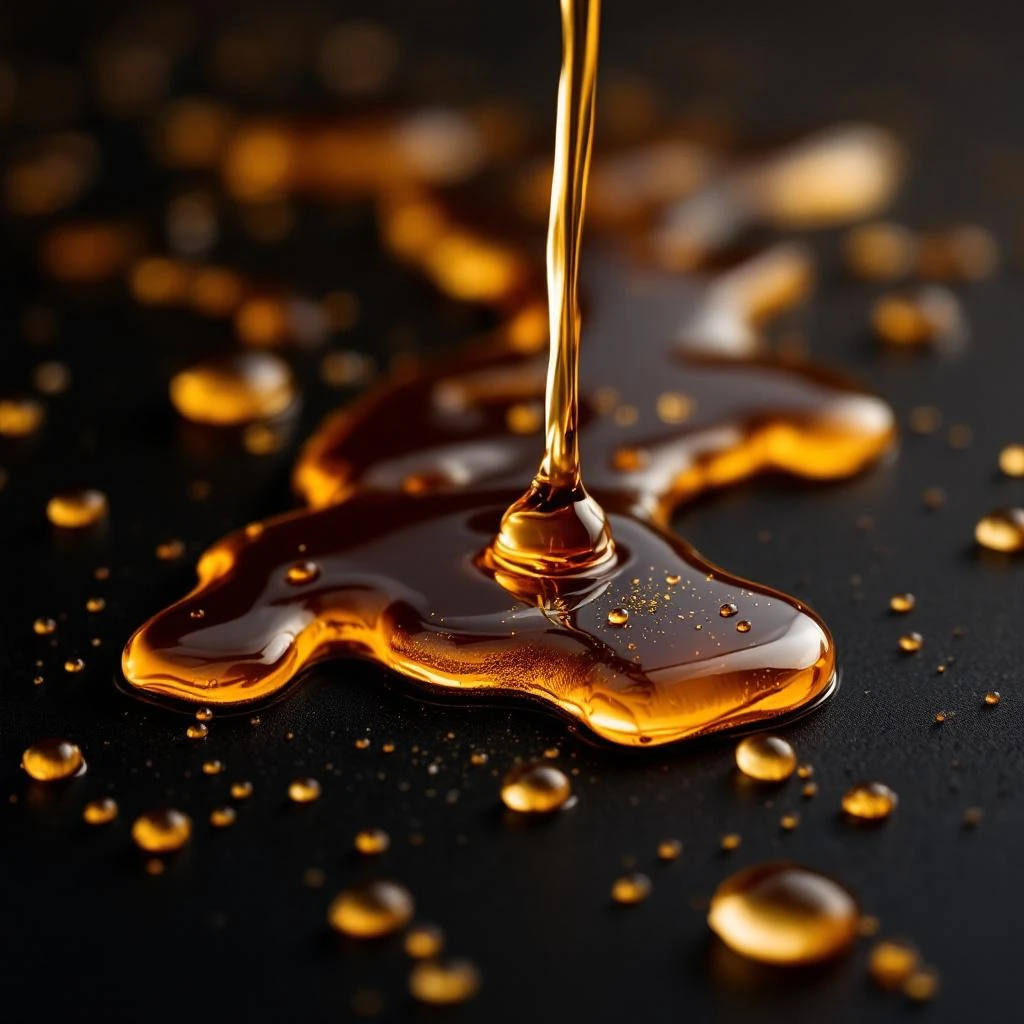
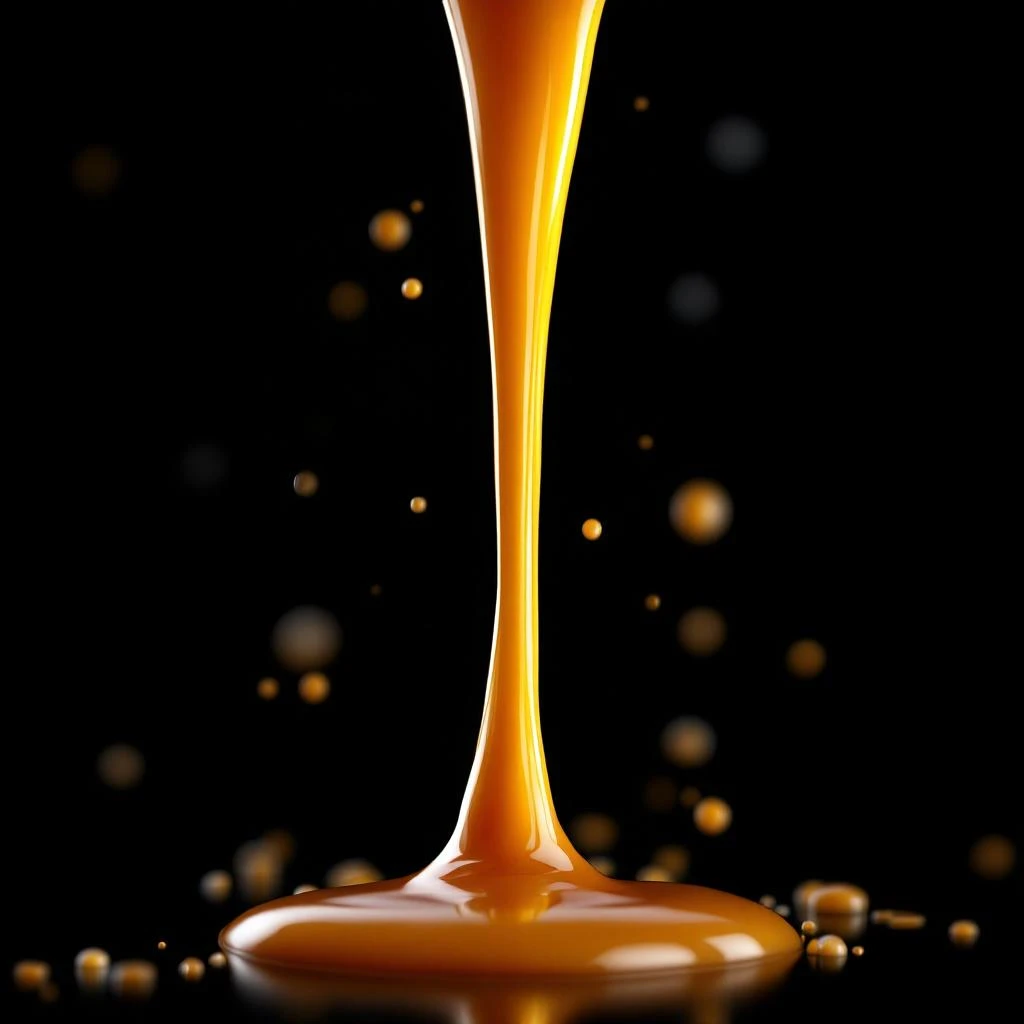
Maple captures the amber glow of sap‑rich forests, translating the sweet, buttery aroma of boiled syrup into a refined perfume note that balances caramel warmth with subtle wood.
Character
How it smells
Maple: sweet caramel wood that whispers the scent of sap‑rich forests, adding warm depth to any blend.
Maple syrup contains the compound sotolon, the same molecule perfumers synthesize to recreate maple’s signature caramel note in modern fragrances.






Origin
Canada
Maple has long held a place in human scent practices. Indigenous peoples of the Northeastern Woodlands boiled sap and used its fragrant smoke in ceremonial smudging, a tradition recorded in 1765 ethnographies. Early European settlers noted the sweet aroma and incorporated boiled maple syrup into scented soaps and balms.
By the 19th century, natural extracts dominated perfumery, but maple sap proved difficult to distill into a stable oil. The rise of organic synthesis in the late 1800s opened a new path. In the 1990s, fragrance labs identified sotolon as the key molecule that conveys maple’s caramel nuance.
Synthetic reconstruction allowed perfumers to embed maple notes in fine fragrances for the first time, bridging a gap between traditional forest scents and modern aromatic art.
Wears it best
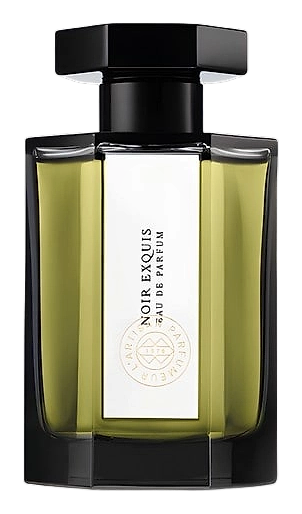
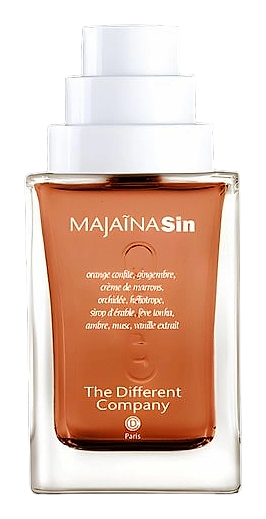
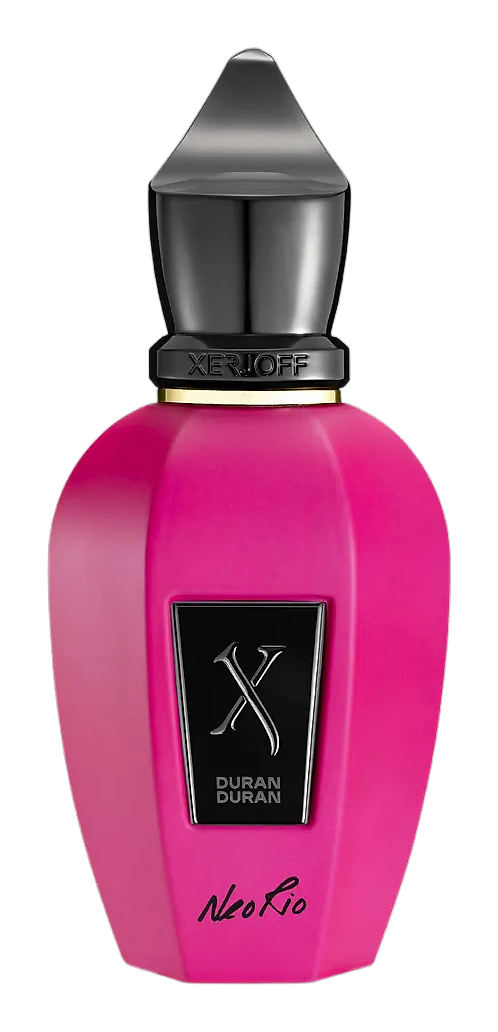
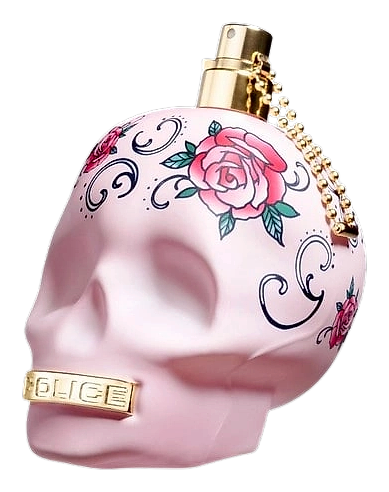
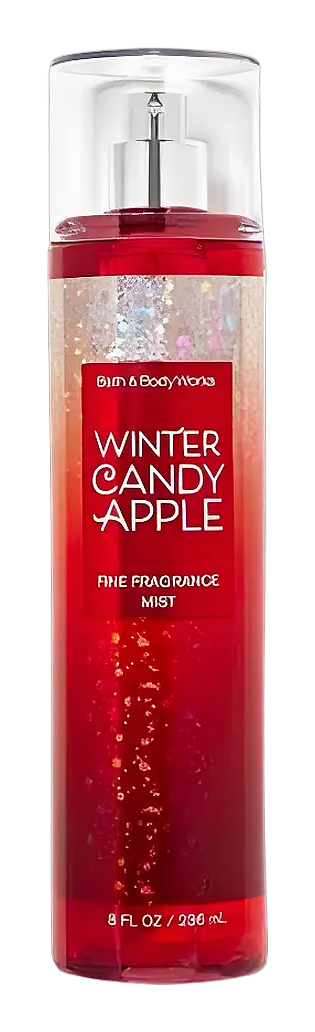
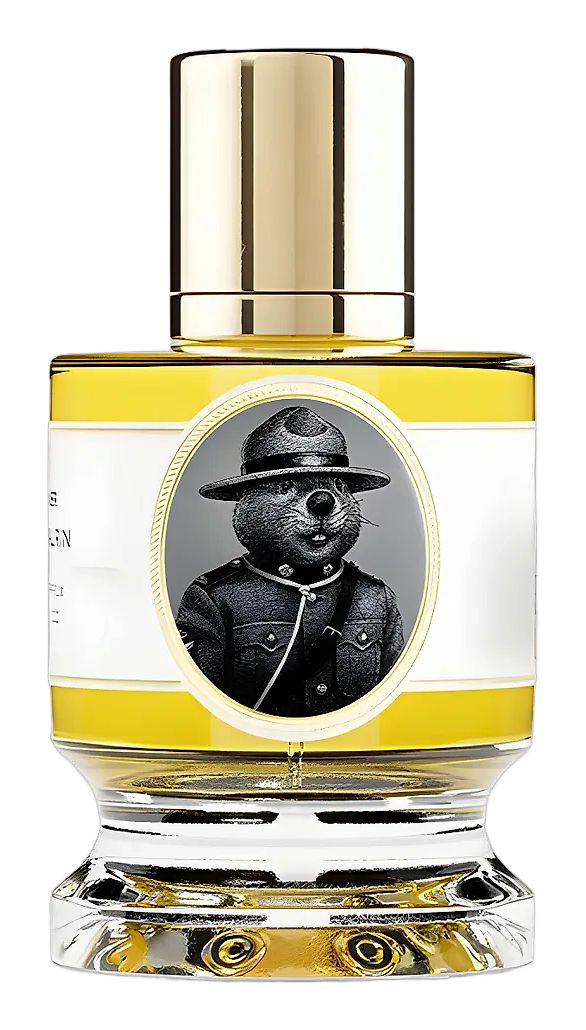
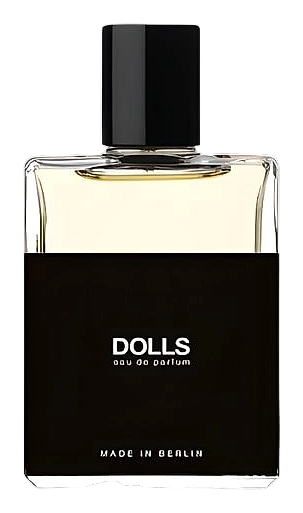
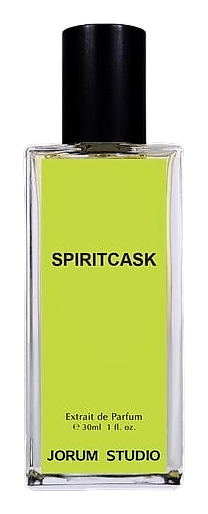
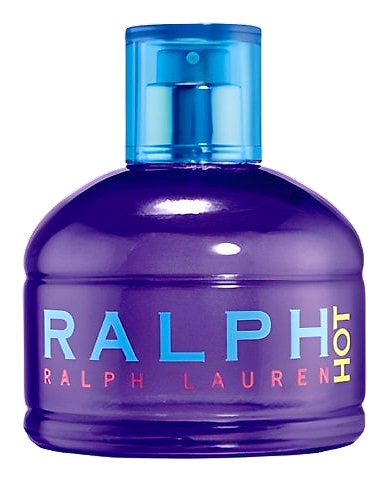
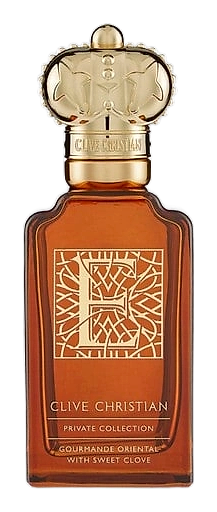
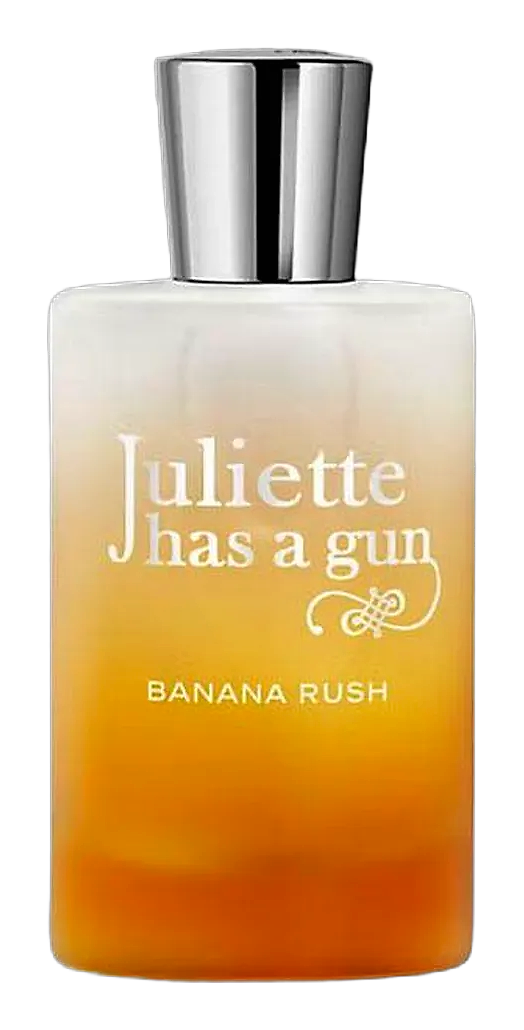
Fragrances featuring Maple

Good to know
Questions, answered
The essentials on Maple in perfumery: how it smells, where it comes from, and how it behaves on skin.
What primary aroma does maple contribute to a fragrance?
Maple adds a sweet, caramel‑like note with a hint of woody earthiness. The scent profile matches the flavor of boiled maple syrup, measured by the presence of sotolon at 0.5 µg/kg in synthetic recreations. Perfumers blend it with amber and spice to create depth.
Is maple extracted directly from the tree for perfumery?
No, perfumers do not distill maple sap into a pure oil. Instead they recreate the scent synthetically, using compounds such as sotolon and ethyl maltol, a practice documented in industry guidelines since 1992. The approach preserves the characteristic maple sweetness while ensuring batch consistency.
Which region supplies most maple material for fragrance synthesis?
Canada provides the bulk of maple sap used as a reference for scent modeling. In 2020, Canadian maple farms produced 30 million liters of sap, forming the baseline for aromatic analysis. Perfume houses sample this sap to calibrate the ratio of sotolon to ethyl maltol in their formulas.
How stable is the synthetic maple note in a perfume formula?
The synthetic blend remains stable for up to 24 months at 25 °C in an ethanol base. Laboratory testing in 2018 recorded less than 5 % loss of sotolon intensity over that period. Formulators therefore trust maple notes to retain their character in long‑lasting eau de parfum compositions.
Can natural maple wood be used as a fixative?
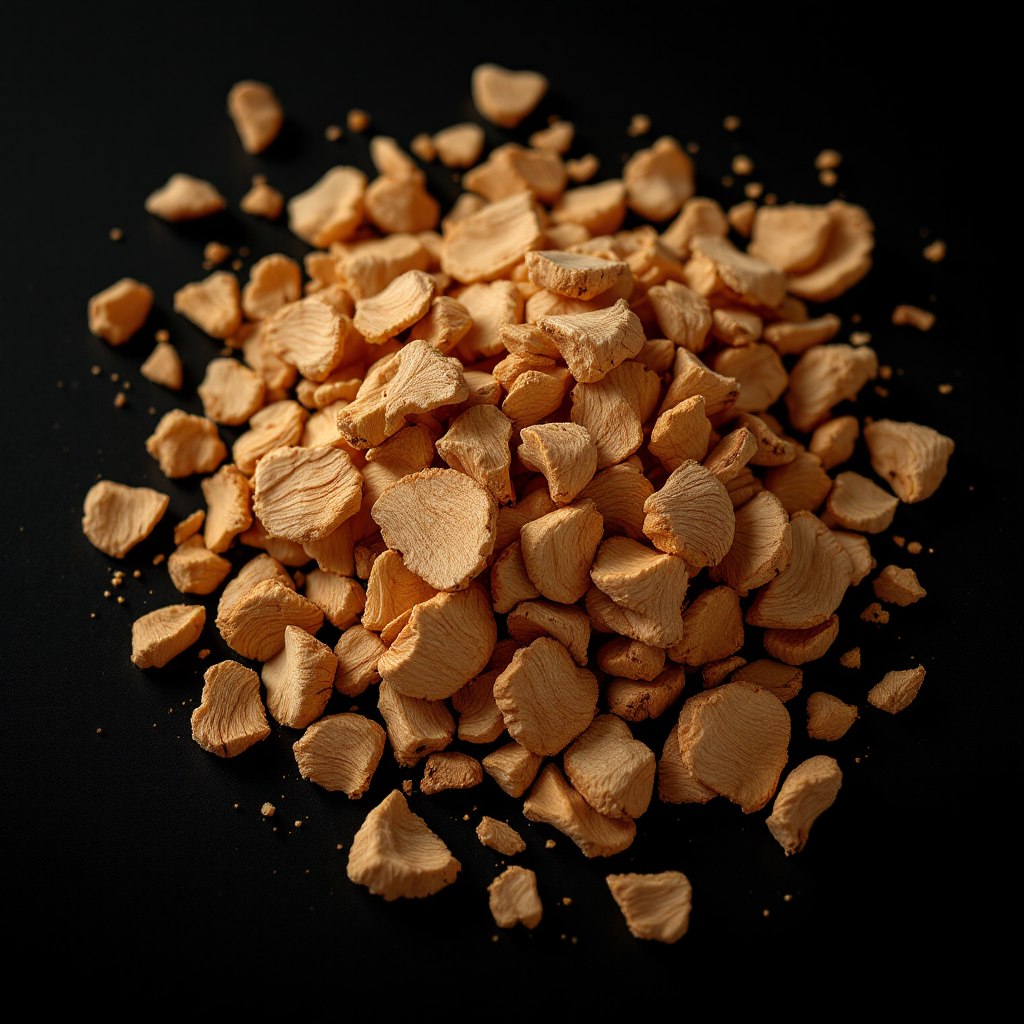
Yes, finely ground maple wood can absorb and release volatile oils slowly. A 2015 study measured a 12 % increase in longevity for a citrus blend when 2 % maple wood powder was added. The wood acts as a natural carrier, extending the scent trail without altering the original aroma.
What safety considerations apply to maple aroma chemicals?
Both sotolon and ethyl maltol meet IFRA safety standards for use up to 0.5 % in fine fragrances. The International Fragrance Association listed them as low‑risk in its 2021 safety assessment. Consequently, most major houses incorporate maple accords without exceeding regulatory limits.
How does maple compare to other sweet notes like vanilla?
Maple delivers a buttery caramel edge, while vanilla offers a warm, creamy profile. Analytical chromatography shows maple’s main compound, sotolon, peaks at a retention time of 3.2 min versus vanillin at 4.5 min. The difference gives perfumers a choice between a bright sweet note and a deeper, comforting base.
Are there any traditional cultures that prized maple scent?
Indigenous peoples of the Northeastern Woodlands used boiled maple sap in ceremonial smudging. Ethnographic records from 1765 describe the smoke as “sweet and soothing” during seasonal rites. Modern perfumers cite this tradition when seeking authentic, earth‑linked sweetness in niche compositions.