
The Story
Why it exists.
The beginning
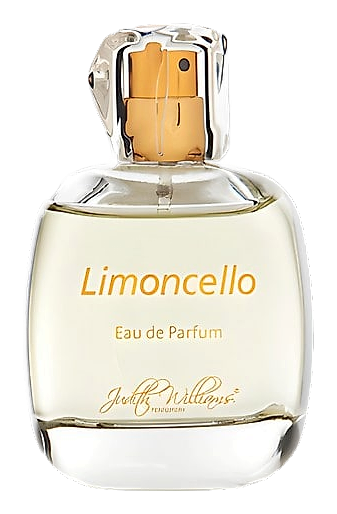
Limoncello presents a bright citrus profile shaped by a varied fruit arrangement rather than a single-note lemon idea. Lemon sits beside orange, blackcurrant, and other citrus fruits, giving the opening a juicy, sparkling edge. Blackcurrant lends a darker, tart accent beneath the fruit, while jasmine and magnolia bring a clean floral lift. Lychee rounds the middle, and peach keeps its sweetness approachable. Iris and musk soften the final impression, with cedarwood adding a restrained, dry structure. Together, the notes create a polished, easy-to-wear fragrance with enough fruit, floral detail, and soft musky depth to stay interesting as it develops.
The interesting part is the handoff from fruit to flowers. Blackcurrant adds a dark, tart snap beneath the citrus, while jasmine and magnolia introduce a clean floral lift. Lychee makes the middle feel rounder and more sensual, and peach keeps the composition's sweetness approachable. The fruit remains the clearest thread, but it gradually shares the stage with the floral notes rather than disappearing abruptly. Iris and musk soften the final impression, and cedarwood gives it a quiet trace of structure.
The evolution
At first, Limoncello gives you the quick hit of lemon, orange, and blackcurrant, bright enough to feel almost fizzy. The fruit doesn't vanish as jasmine, lychee, and magnolia arrive. Instead, the scent gains a floral, polished sweetness, like citrus moving from a sunny kitchen into a dressed-up afternoon. Peach makes that middle feel rounder and more enveloping, while blackcurrant keeps a subtle tartness beneath the smoother fruit. Later, iris and musk pull the edges inward, and cedarwood leaves a delicate dry, woody trace underneath. The drydown is gentler than the opening, but the composition still feels citrus-led, ending in a clean, softly musky impression.
Cultural impact
Limoncello can be explored as a study in how familiar fruit notes can develop through contrast and layering. Lemon and orange provide brightness, while blackcurrant introduces a darker tart edge. Jasmine and magnolia shift the profile toward clean florals, and lychee and peach give it a soft, rounded sweetness. Iris, musk, and cedarwood settle the composition with gentle powderiness and dry structure. The result is a fragrance that begins with sparkling citrus, moves into floral fruit, and finishes in a soft musky space while retaining a clear sense of its opening character.
The House
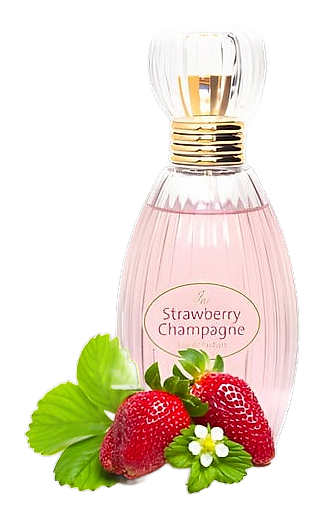
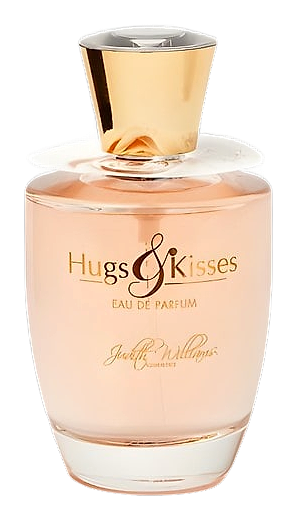
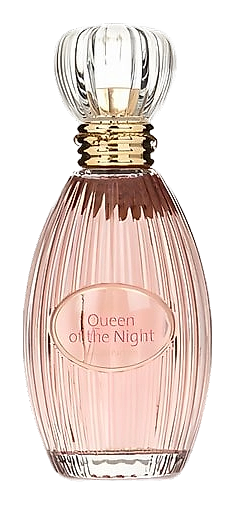
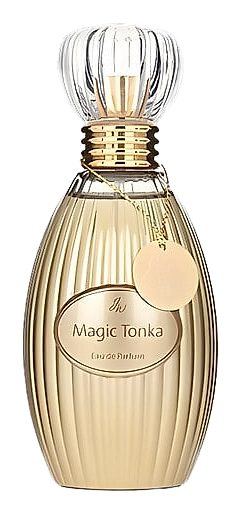
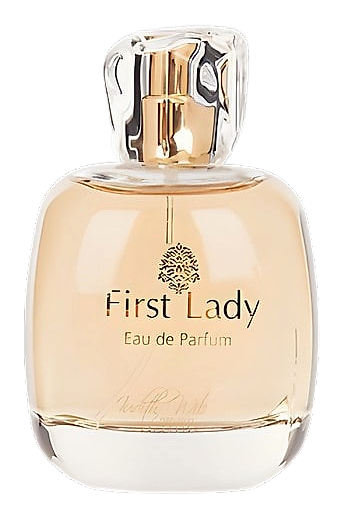
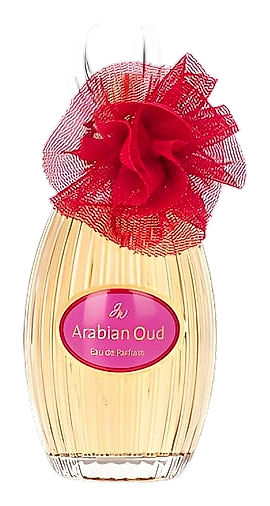
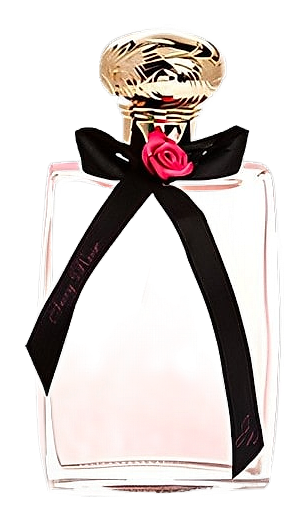
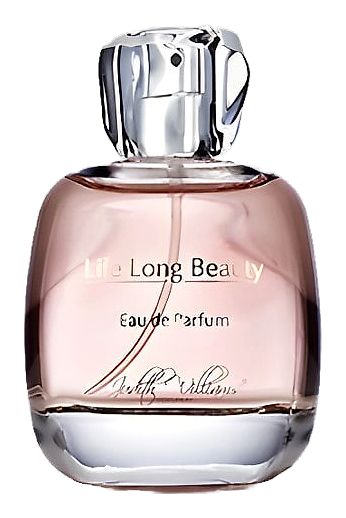
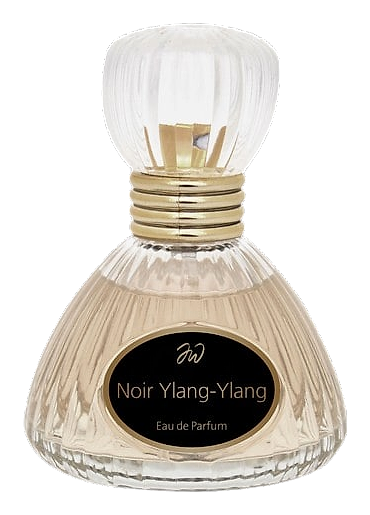
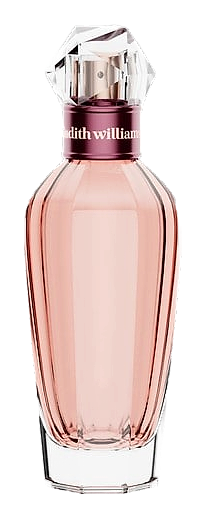
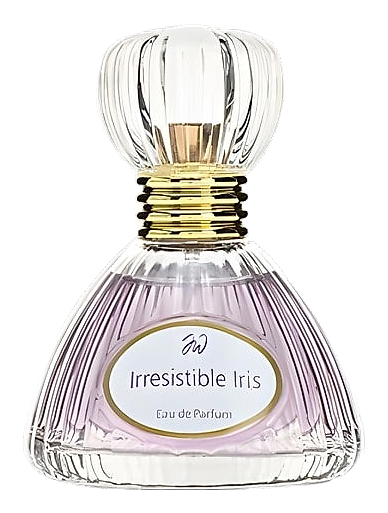
Judith WilliamsJudith Williams entered the fragrance market in 2006, extending a German beauty and skincare line that the television entrepreneur launched the same year. The brand now offers more than fifty distinct scents, ranging from the floral flirt of Sexy Rose to the gourmand sparkle of Strawberry Champagne. Its catalogue balances everyday wearability with occasional niche twists, such as Arabian Oud and Queen of the Night. The line targets consumers who appreciate recognizable notes without the complexity of haute‑perfume collections, delivering each bottle in a clean, recognisable package that bears the founder’s signature pink branding.
The Creator
Pierre BourdonBourdon's signature lies in clarity and restraint. He favors transparency in composition, building fragrances that breathe rather than overwhelm.