The Story
Why it exists.
The beginning
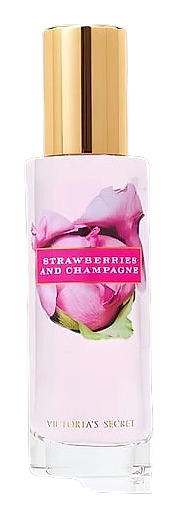
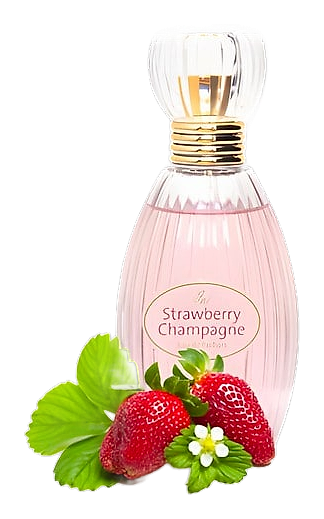
Pierre Bourdon doesn't do basic. Even when working within Judith Williams's framework of accessible, everyday wearability, he brought something sharper than the brief probably asked for. Strawberry Champagne launched in 2013 as part of a brand catalogue that ran from classic florals to niche twists, everything from Arabian Oud to Sexy Rose. But this one had bubbles. The champagne accord wasn't decorative. It was structural. It changed how the fruit read, giving sweetness a lift instead of a weight.
The aldehydes are doing work here. In most mass-market fruity florals, aldehydes would be background noise, part of the synthetic cocktail that makes "fruity" smell cheap. But Bourdon used them differently. They sit beneath the strawberry, lifting it, giving it effervescence. Combined with the champagne accord, the composition reads almost carbonated. Blackcurrant adds a tart counterpoint to the jammy strawberry, while rose and violet round the heart into something powdery and soft. The vanilla-musky base keeps the drydown intimate, close to skin, rather than projecting aggressively into a room. It's a clever trick: celebratory energy in a bottle that stays where you put it.
The evolution
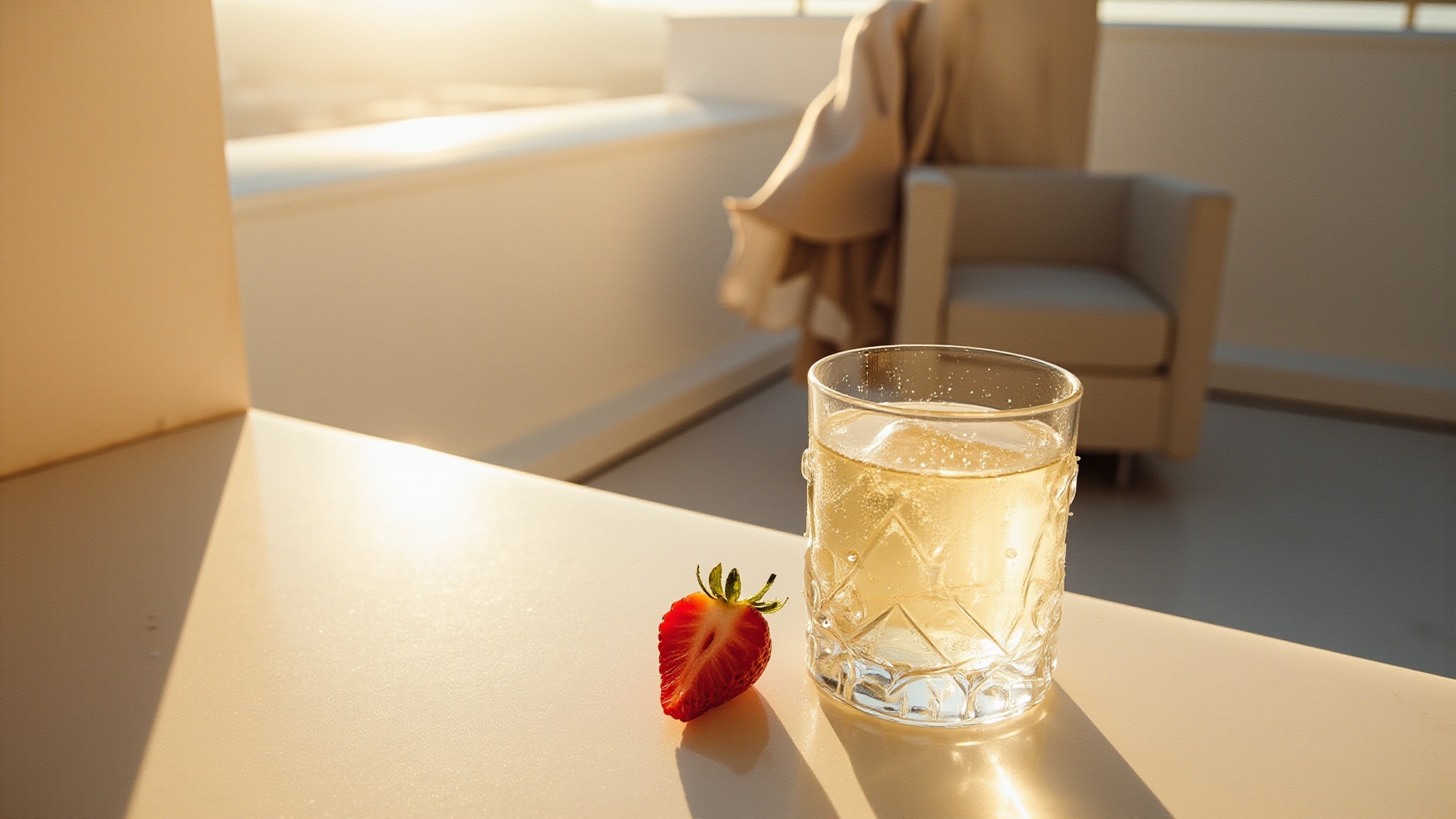
The opening hits fast, big strawberry, thick and almost jammy, with cherry and peach tumbling in behind. Within two minutes, the champagne accord kicks in. That's when the magic happens. The fruit stops being a fruit salad and becomes something fizzier, brighter, lifted. The blackcurrant appears around the five-minute mark, adding tartness that cuts through the sweetness. Rose and violet arrive next, softening the exuberance into something more velvety. The drydown is where it earns its musk. Vanilla wraps around skin-warm musk, sandalwood keeping everything creamy. The champagne sparkle never fully disappears, it ghosts at the edges, the memory of the opening persisting into the base. Moderate sillage, intimate presence. It stays close but refuses to disappear.
Cultural impact
Strawberry Champagne sits at an interesting intersection. It's more thoughtful than standard mass-market fruity florals, the aldehydes and champagne lift it above the category's typical synthetic sweetness. Yet it remains accessible, avoiding the complexity that alienates casual fragrance wearers. The name does heavy lifting: champagne signals celebration, occasion, a slight luxury without the price tag of a niche house. It fills a gap for wearers who want something with perceived complexity, without needing to understand complexity to enjoy it.