




    Brand Profile

    Judith Williams entered the fragrance market in 2006, extending a German beauty and skincare line that the television entrepreneur launched…More

    Germany·Est. 2006·Site

    4.0

    Rating

    50
    Sexy Rose by Judith Williams
    Best Seller
    4.8

    Sexy Rose

    Sensual Musk by Judith Williams
    Best Seller
    4.5

    Sensual Musk

    Loving Lantana by Judith Williams
    Best Seller
    4.5

    Loving Lantana

    Vibrant Patchouly by Judith Williams
    4.4

    Vibrant Patchouly

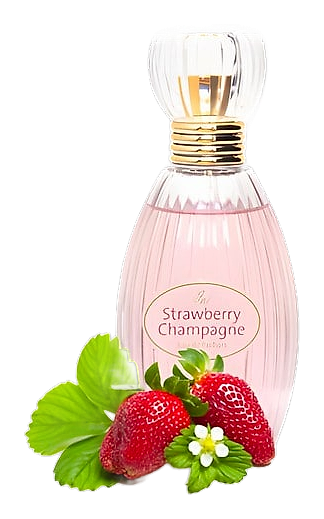
    Strawberry Champagne by Judith Williams
    4.3

    Strawberry Champagne

    Arabian Oud by Judith Williams
    4.2

    Arabian Oud

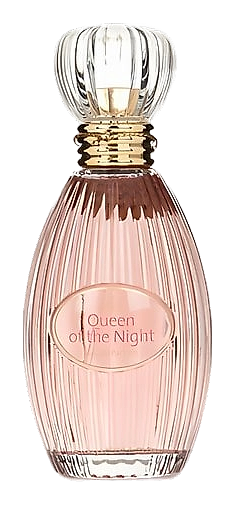
    Queen of the Night by Judith Williams
    4.1

    Queen of the Night

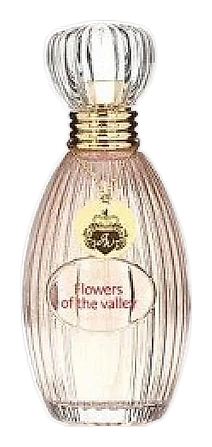
    Flowers of the Valley by Judith Williams
    4.0

    Flowers of the Valley

    Caressing Cardamom by Judith Williams
    4.0

    Caressing Cardamom

    Beautiful by Judith Williams
    4.0

    Beautiful

    You by Judith Williams
    4.0

    You

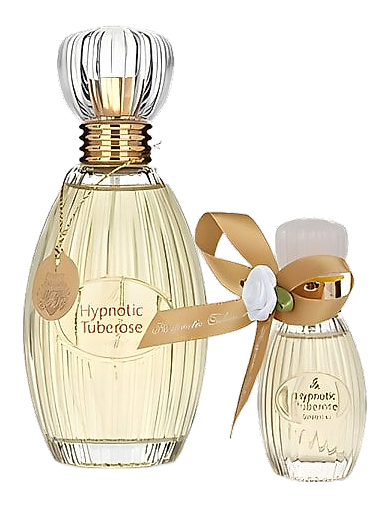
    Hypnotic Tuberose by Judith Williams
    3.9

    Hypnotic Tuberose

    1 of 5

    The Heritage

    The Story of Judith Williams

    Judith Williams entered the fragrance market in 2006, extending a German beauty and skincare line that the television entrepreneur launched the same year. The brand now offers more than fifty distinct scents, ranging from the floral flirt of Sexy Rose to the gourmand sparkle of Strawberry Champagne. Its catalogue balances everyday wearability with occasional niche twists, such as Arabian Oud and Queen of the Night. The line targets consumers who appreciate recognizable notes without the complexity of haute‑perfume collections, delivering each bottle in a clean, recognisable package that bears the founder’s signature pink branding.

    Heritage

    Judith Williams, a German entrepreneur best known for her appearances on the business‑reality series "Die Höhle der Löwen," founded a beauty and skincare brand under her own name in 2006. The venture quickly expanded into fragrance the following year, releasing its first perfume in 2007. Early releases focused on classic floral and fruity compositions, establishing a foothold in department‑store shelves across Germany and neighboring markets. By 2010 the house introduced Sensual Musk and Vibrant Patchouly, signalling a willingness to experiment with both synthetic musks and exotic woods. The following year saw the launch of Queen of the Night, a scent that blended night‑blooming jasmine with amber, while 2012 added Caressing Cardamom, a spice‑forward offering that broadened the brand’s aromatic palette. In 2013 two notable releases – Arabian Oud, which incorporated a traditional Middle‑Eastern resin, and Strawberry Champagne, a playful nod to celebratory cocktails – demonstrated the line’s growing confidence in thematic storytelling. Loving Lantana arrived in 2016, marrying tropical florals with a sun‑kissed musk base, and the portfolio continued to grow each year, reaching fifty‑two entries by 2023. Throughout this period the brand maintained a steady presence in German drugstores and online retailers, leveraging Judith Williams’s personal brand while keeping product development largely in partnership with external perfumers. The evolution from a single‑product beauty line to a diversified fragrance house reflects a pragmatic growth strategy rooted in market feedback and incremental innovation.

    Craftsmanship

    Production takes place in facilities that serve multiple European cosmetics brands, allowing the house to benefit from shared expertise in batch consistency and quality control. Formulations are developed in collaboration with freelance perfumers, many of whom have backgrounds in both fine‑fragrance houses and mass‑market brands. Ingredients include a mix of EU‑approved synthetics, such as iso e super and hedione, and natural extracts like rose absolute, patchouli oil, and cardamom seed. The brand reportedly sources natural raw materials from certified farms in France, Morocco and India, ensuring compliance with REACH regulations. Each batch undergoes stability testing to verify scent integrity over a twelve‑month shelf life. Bottles are manufactured from recyclable glass, and caps are produced from polypropylene that meets the European Plastics Directive. Final packaging includes a paper label printed with water‑based inks, reflecting a modest environmental stance. Quality assurance teams perform visual inspections for colour consistency, verify fill volumes, and conduct olfactory checks against a reference standard before products leave the warehouse.

    Design Language

    Visual identity leans on a soft pink colour that mirrors Judith Williams’s personal branding across her television appearances and product lines. Bottles feature a minimalist silhouette: a slender, cylindrical glass vessel topped with a smooth, matte‑finished cap that bears the brand’s script logo. The label design uses a clean sans‑serif typeface, with the fragrance name rendered in a slightly larger weight to aid shelf recognition. Limited‑edition releases sometimes incorporate metallic foil accents or a subtle embossing that hints at the scent’s theme, such as a gold‑lined rim for Arabian Oud. The overall look avoids excessive ornamentation, favouring a contemporary, approachable elegance that appeals to both first‑time buyers and long‑time fans. Marketing imagery often places the bottle against pastel backdrops, reinforcing the brand’s gentle, everyday‑luxury positioning without overt extravagance.

    Philosophy

    The brand’s creative outlook centres on accessibility and consistency. Rather than chasing avant‑garde trends, Judith Williams aims to craft scents that fit into daily routines, offering a familiar olfactory anchor for a wide audience. The house emphasises balance: each composition pairs a recognizable headline note with supporting accords that add depth without overwhelming the wearer. Sustainability appears in the brand’s sourcing policy, which reportedly favours suppliers that meet EU safety standards and provide traceable raw materials. Transparency is another stated value; ingredient lists are published on product pages, allowing consumers to see which synthetics and naturals comprise each fragrance. The company also positions its fragrances as gifts, designing packaging that conveys a sense of occasion while remaining affordable. This pragmatic philosophy aligns with Judith Williams’s broader business ethos of delivering quality products at price points that encourage repeat purchase.

    Key Milestones

    2006

    Judith Williams launches a beauty and skincare line under her own name in Germany.

    2007

    First Judith Williams perfume is released, marking the brand’s entry into fragrance.

    2010

    Sensual Musk and Vibrant Patchouly debut, expanding the scent portfolio beyond floral basics.

    2011

    Queen of the Night launches, introducing a night‑inspired amber‑jasmine blend.

    2013

    Two thematic scents, Arabian Oud and Strawberry Champagne, arrive, showcasing the brand’s narrative approach.

    2016

    Loving Lantana is introduced, adding a tropical floral‑musk composition.

    At a Glance

    Brand profile snapshot

    Origin

    Germany

    Founded

    2006

    Heritage

    20

    Years active

    Collection

    1

    Fragrances released

    Avg Rating

    4.0

    Community sentiment

    Release Rhythm

    2023
    1
    2021
    1
    2020
    2
    2017
    2
    2016
    3
    2014
    1
    2013
    4
    2012
    4
    judith-williams.de

    Did You Know?

    Interesting Facts

    Distinctive details and defining moments that shape the house personality.

    01

    The brand’s signature pink packaging was originally chosen to match Judith Williams’s personal wardrobe on television.

    02

    Strawberry Champagne was inspired by a cocktail the founder enjoyed at a Munich summer festival.

    03

    Judith Williams fragrances are produced in the same factories that supply several major European drugstore brands, allowing for tight cost control.

    04

    Despite a large catalogue, the house does not employ an in‑house perfumer; each scent is created by freelance noses contracted per project.

    The Artisans

    The Perfumers