
The Story
Why it exists.
The beginning
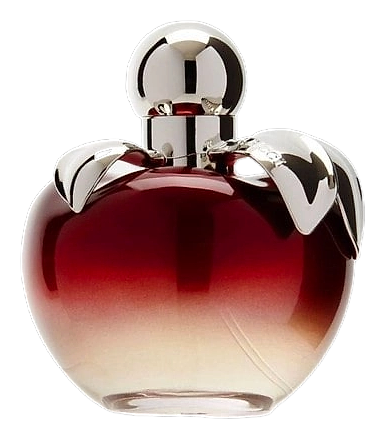
Les Belles de Ricci Delice d'Epices arrived in 1999 as part of the Les Belles de Ricci collection, where each fragrance was designed to seduce. Perfumers Cecile Matton and Rosendo Mateu built this one around the idea of spice and sweetness in equilibrium, warm enough to feel like a secret, sweet enough to share. The name says it all: Delice d'Epices, a delight of spices, channeling the comfort of autumn kitchens and the appeal of something you can't stop reaching for.
What makes this composition work is its refusal to pick a lane. The top delivers a fruit cocktail that reads juicy and bright, almost summer-like in its energy. Then the cinnamon arrives and shifts everything toward warmth, not heat, but the kind of warmth that comes from being somewhere safe. The orchid and carnation keep the florals from getting too soft, adding a slight spikiness that prevents the whole thing from tipping into pure dessert. It's this push and pull that keeps the fragrance interesting hours in.
The evolution
The opening bursts with peach and blackcurrant, a tart-fruit wave that hits before you expect it. Citrus underneath keeps things bright for about twenty minutes, then the apple arrives with the cinnamon, suddenly you're inside a warm kitchen, something baking. The florals come next: jasmine and orchid lifting through the spices, adding a complexity that prevents the whole thing from reading as a single note. By hour three, the vanilla and sandalwood arrive, dry and creamy at once. The cedar anchors everything, preventing sweetness from taking over. The drydown lingers longest, the kind of warmth that stays close and gets noticed, wrapping around you like a soft whisper that invites those nearby to lean in a little closer.
Cultural impact
The Les Belles de Ricci collection emerged during a notable period in fashion house beauty. Nina Ricci extended the fashion brand into lifestyle products, creating scents that reflected the house's romantic sensibility. Delice d'Epices captured an appetite for warm, gourmand fragrances that felt wearable and approachable. The peach and spice combination gave this fragrance its character, positioning it as a distinctive choice among its contemporaries. The scent offered something inviting and personal, appealing to those who wanted a fragrance that felt both comforting and nuanced.
The House
Nina RicciNina Ricci is a Parisian fashion house founded in 1932 by Italian-born designer Maria "Nina" Ricci and her son Robert Ricci. The house began as a couture salon on Rue Haussmann, quickly establishing a reputation for refined, feminine gowns with romantic sensibility. Robert established an in-house perfume division in 1941, though the first fragrance would not arrive until 1946. That inaugural scent, Coeur Joie, marked the beginning of a partnership with Lalique that would define the house's olfactory identity. The house introduced its most celebrated fragrance, L'Air du Temps, in 1948, a scent that remains in production decades later. Puig acquired Nina Ricci in 1998, bringing the house under the same ownership that manages Carolina Herrera and Jean Paul Gaultier. Today, the fragrance collection spans from timeless classics to contemporary offerings like the Nina line, maintaining the house's commitment to feminine elegance.
The Creator
Cécile Matton & Rosendo MateuBased on available information, it's difficult to pinpoint a definitive signature style for Cécile Matton. However, given her work with Giorgio Armani, it's probable that she favors contemporary accords and seeks to create fragrances with a modern, accessible feel.