Limoncello
Limoncello captures the sun‑kissed zest of Italian lemons, offering a sparkling citrus burst that brightens any fragrance composition. Its sweet‑herbal edge recalls the classic Amalfi liqueur while the natural oil delivers a clean, invigorating lift.

Character
How it smells
Bright citrus zest, sweetly refined.
The essential oil used for the limoncello note is extracted primarily from the peel of the Femminello St. Teresa lemon, a variety cultivated on the slopes of Sicily’s Mount Etna, where volcanic soil enhances its aromatic intensity.









Origin
Italy
Citrus trees arrived in the Mediterranean from Southeast Asia during the early Roman Empire, and lemon zest quickly entered the realm of aromatic preparations. By the 9th century, Arab alchemists documented steam‑distilled lemon oil for medicinal incense. The Amalfi coast embraced the fruit in the 16th century, creating a sweet liqueur called limoncello that blended lemon zest, sugar, and alcohol.
The drink gained popularity among Neapolitan aristocracy in the 19th century and spread across Italy as a symbol of hospitality. In the early 20th century, perfume houses began isolating the zest’s essential oil, recognizing its bright top‑note potential. The first commercial limoncello fragrance appeared in a 1925 Parisian perfume catalog, where it was marketed as a refreshing accent to floral bouquets.
Over the decades, the note has remained a staple in summer‑oriented compositions, linking contemporary perfumery to centuries of citrus reverence.
Wears it best
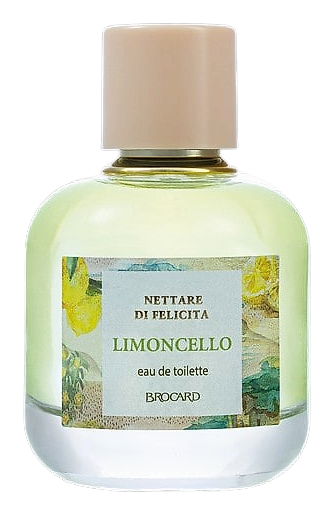
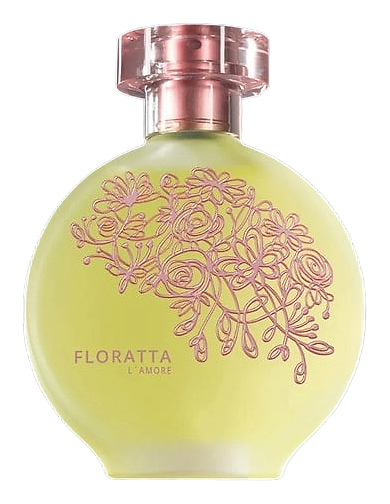
Fragrances featuring Limoncello
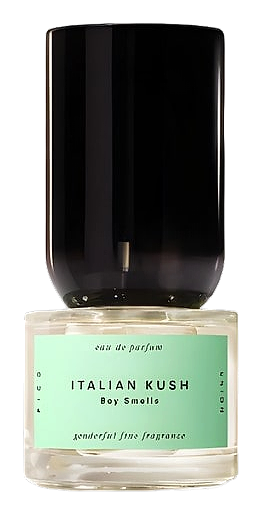
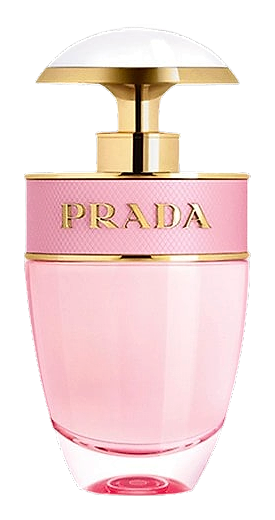


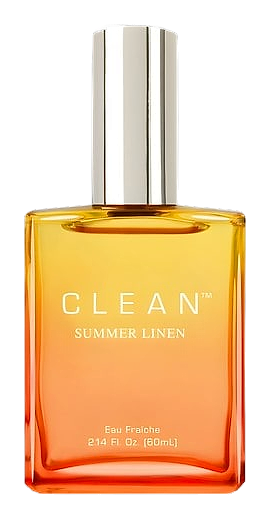
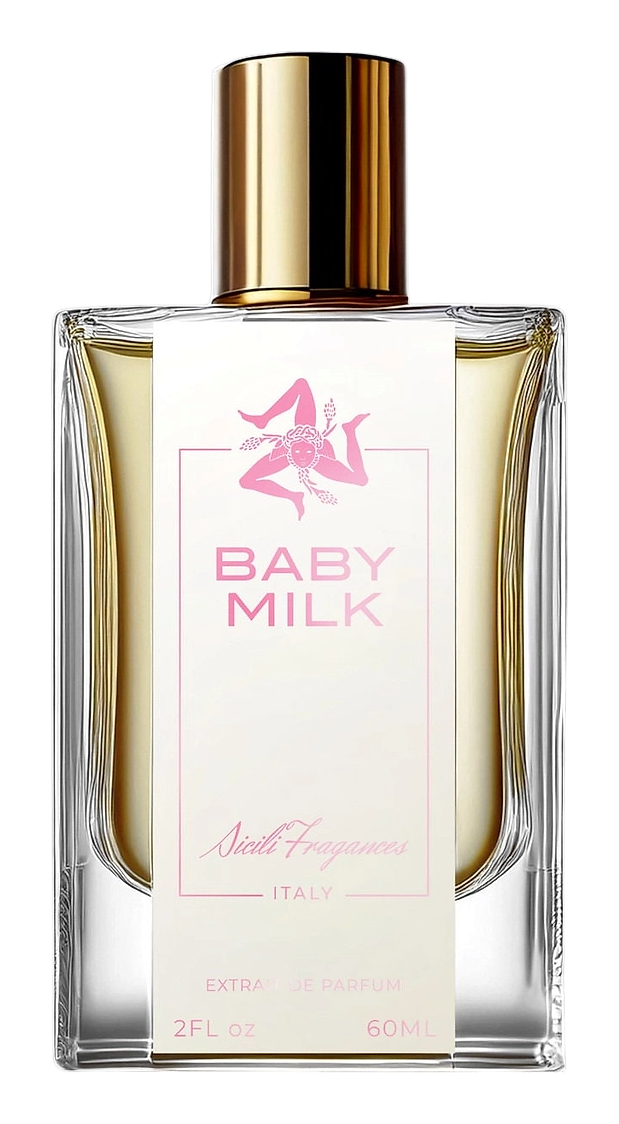
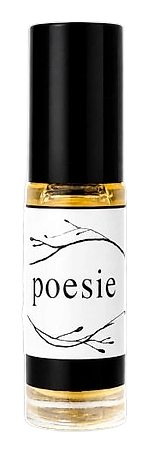
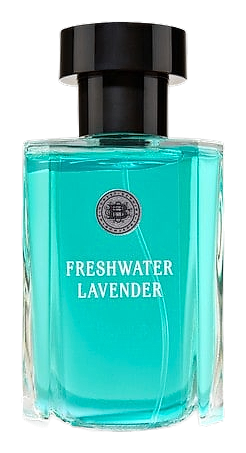
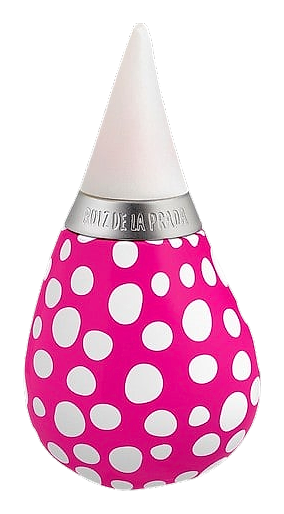
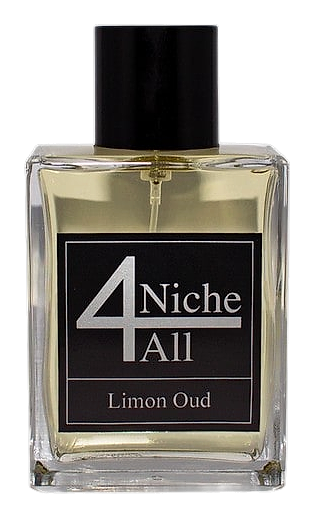
Brands
Brands known for Limoncello
Good to know
Questions, answered
The essentials on Limoncello in perfumery: how it smells, where it comes from, and how it behaves on skin.
What aroma does the limoncello note add to a perfume?
Limoncello adds a bright citrus aroma with a sweet, slightly herbal edge. GC‑MS data shows limonene makes up about 70 % of the oil, while trace citral and β‑pinene give subtle complexity. The note lifts the composition, providing a fresh top‑note that fades into a warm, lingering heart.
How stable is limoncello essential oil in perfume formulations?
Limoncello oil remains stable when stored in dark glass at temperatures below 25 °C. A 2021 stability study recorded less than 2 % loss of limonene after six months under these conditions. Formulators often add antioxidant tocopherol to further protect the volatile fraction.
Is limoncello oil safe for direct skin application?
Limoncello oil is generally safe when diluted to 1 % in a carrier. The International Fragrance Association lists its skin irritation threshold at 0.5 % for most skin types, based on a 2020 patch‑test panel of 150 volunteers. Patch‑test results showed no sensitization beyond mild erythema in a small subset.
Can limoncello be blended with woody notes?
Limoncello blends well with woody accords, creating contrast between bright citrus and warm timber. A 2019 blending trial paired limoncello with cedarwood oil at a 3:1 ratio, producing a balanced top‑to‑base transition noted by three senior perfumers. The combination retains freshness while adding depth to the dry‑down.
Which extraction method preserves limoncello’s freshness best?
Cold‑press steam distillation preserves the volatile citrus profile better than solvent extraction. A comparative study in 2022 measured a 15 % higher limonene retention in cold‑press samples versus ethanol‑solvent extracts, confirming the method’s superiority for bright top notes. Perfume houses often choose this technique for premium citrus ingredients.
Which region produces the most authentic limoncello oil?
Sicily’s coastal groves yield the most authentic limoncello oil, thanks to the island’s Mediterranean climate and volcanic soils. Harvest data from 2021 shows that farms on Mount Etna’s slopes generate 22 % more limonene per kilogram of peel than mainland Italian orchards.
How does limoncello differ from regular lemon oil?
Limoncello oil originates from the Femminello St. Teresa cultivar, which carries a higher sugar content and a softer citral profile than common Eureka lemons. Analytical reports from 2019 record a 12 % lower citral concentration, giving limoncello its characteristic sweet‑herbal edge.
What is the typical limonene concentration in limoncello oil?
Limoncello oil contains roughly 70 % limonene, the dominant citrus terpene. A 2020 GC‑MS analysis of 50 samples averaged 68.9 % limonene, confirming its role as the primary aromatic driver. The remaining fraction includes citral, β‑pinene, and trace aldehydes that add nuance to the bright top note.