The Story
Why it exists.
The beginning
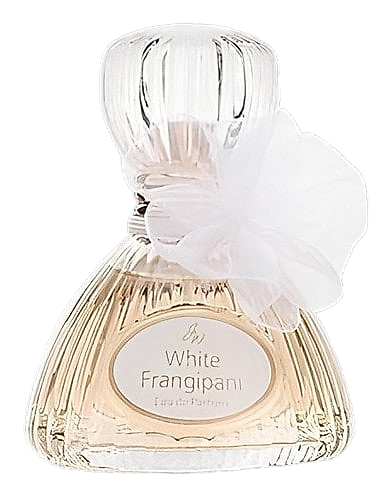
White Frangipani arrived in 2014 as a study in contrasts. Its name points to the creamy, tropical flower at the center, but the composition refuses to sit still. Blackcurrant, green apple, and pineapple bring a sharp little lift, while white tea cools the floral heart before iris, musk, peach, sandalwood, and vetiver settle it into something easy to wear. The result feels like a polished daily fragrance rather than a floral kept behind glass.
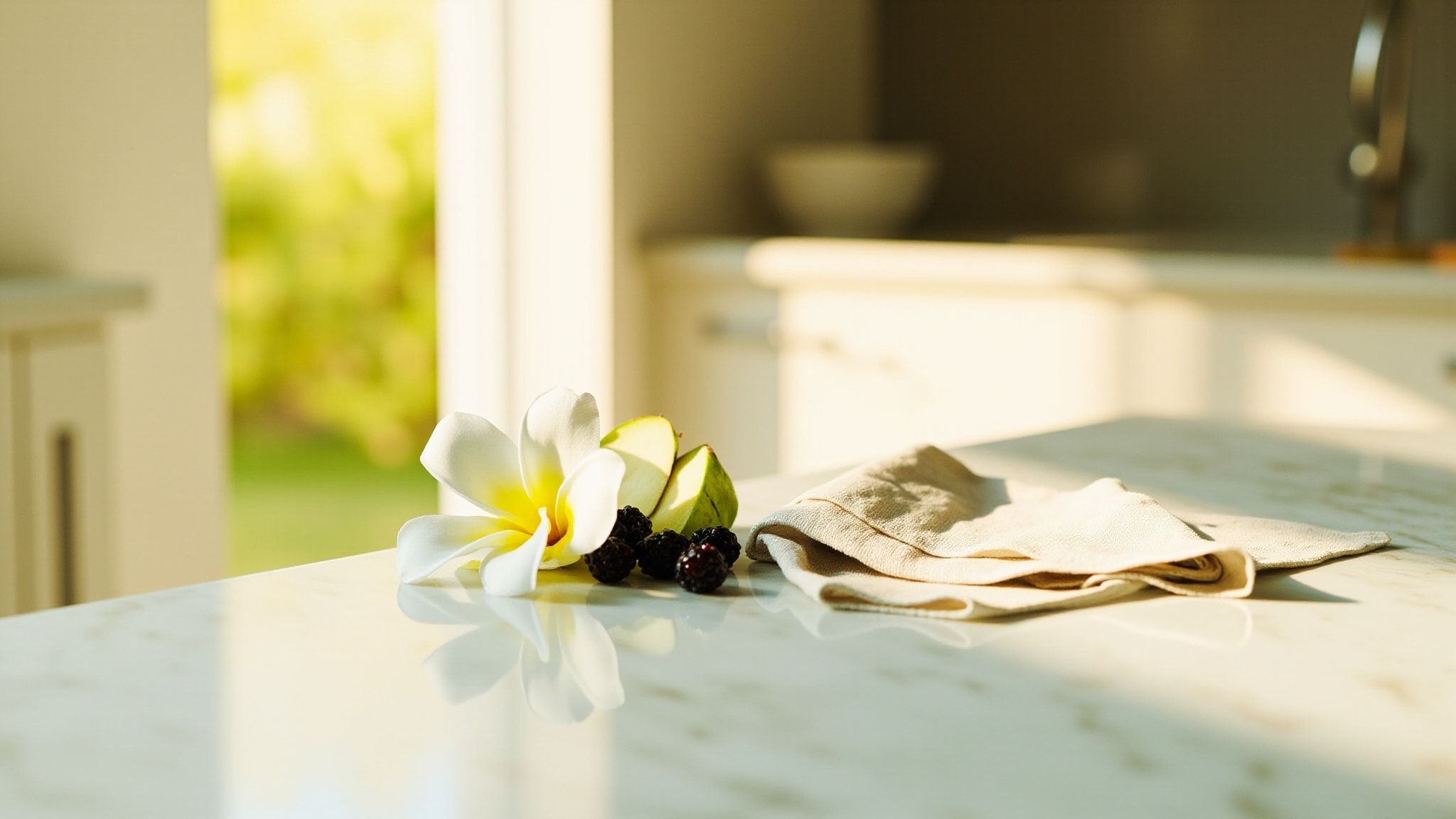
The interesting part is the tension between brightness and softness. Ripe fruit gives the opening a clean, sparkling snap, but frangipani and jasmine keep the center generous rather than sugary. White tea introduces an airy pause, almost like sunlight passing over water. In the base, peach lends a rounded sweetness, iris adds a powdery elegance, and musk, sandalwood, and vetiver provide a calm, woody finish. Familiar notes, arranged with just enough friction to keep them interesting.
The evolution
At first, the fragrance is a little fruit-forward. Blackcurrant, green apple, and pineapple arrive with a bright, mouthwatering snap, then the white floral heart takes over. Frangipani and jasmine soften the opening into a creamy bloom, with white tea keeping the edges clear instead of syrupy. As the scent settles, peach keeps a gentle sweetness in play, while iris, musk, sandalwood, and vetiver draw the composition downward into a polished, musky-woody finish. It lingers close to the skin, leaving a soft floral trace rather than a loud tropical memory. Expect the main character to stay close for roughly 3-4 hours.
Cultural impact
Judith Williams sits in the direct, wearable part of German fragrance culture, where a recognizable floral or fruity composition can move from everyday dressing into a signature choice. White Frangipani belongs to that accessible register: polished, feminine, and easy to place in a daily routine rather than perfume reserved for ceremony.