The Story
Why it exists.
The beginning
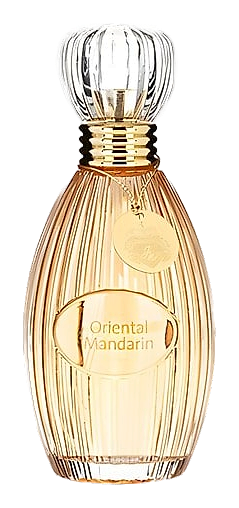
Oriental Mandarin launched in 2010 from Pierre Bourdon. The name makes the first impression obvious: mandarin orange, sharpened with bergamot and lifted by shiso. But the composition quickly moves beyond fruit. Cedarwood, labdanum, and patchouli bring a dry, resinous center, while amber, musk, and vanilla pull the whole thing into warm territory. It’s a fragrance built around a useful tension, fresh citrus against grounded woods and sweetness, with enough structure to feel considered rather than simply fresh. The opening is clean and bright, but it gives way to a richer blend where citrus, resinous woods, soft amber, and rounded vanilla sit together. Nothing about the name needs explaining. The scent itself does the talking.
The interesting part is the handoff from peel to skin. Mandarin and bergamot make the opening clean and sparkling, while shiso adds a leafy, almost peppery edge. Then cedarwood and labdanum take over with dry wood and resin, followed by patchouli’s earthy depth. Amber, musk, and vanilla keep the final stretch soft and warm. The result is familiar in the best way: citrus, woods, sweetness, and spice-adjacent warmth are all present, but their order gives the scent a little movement.
The evolution
At first, the fragrance is a clean burst of mandarin and bergamot, with shiso keeping the citrus from turning too sweet. The opening impression moves quickly, giving way to cedarwood, labdanum, and patchouli as the composition gains weight without losing its brightness. After the first hour, the warm base becomes clearer. Amber gives it a gentle glow, musk softens the edges, and vanilla leaves a rounded sweetness that feels more skin-like than edible. The citrus facets gradually recede as the warmer notes become more apparent, while patchouli adds depth beneath cedarwood and labdanum. On skin, the scent develops into a warm blend of amber, musk, vanilla, woods, and patchouli, with sweetness tempered by the drier structure underneath.
Cultural impact
Oriental Mandarin uses familiar fragrance materials in a clear aromatic structure: mandarin orange and bergamot provide brightness, shiso adds a herbal lift, and cedarwood, labdanum, patchouli, amber, musk, and vanilla create a warmer foundation. The contrast between fresh citrus and dense woods gives the composition its identity, while the transition from a clean opening to a soft, rounded drydown makes it inviting to examine more closely. Its cultural presence rests on this accessible language of citrus, woods, amber, and vanilla, expressed through a fragrance that moves from brightness into warmth.
The House
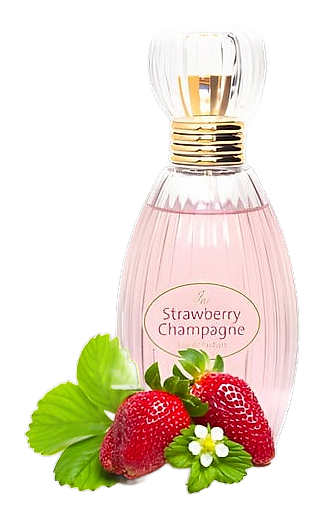
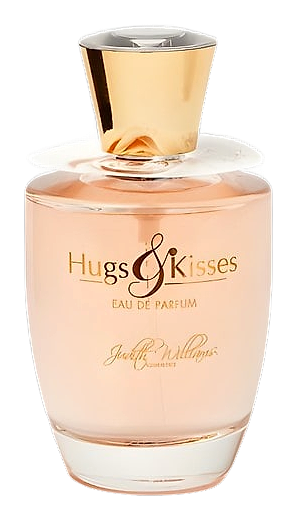
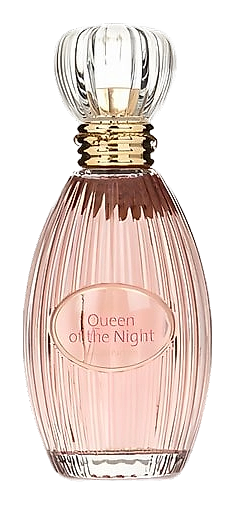
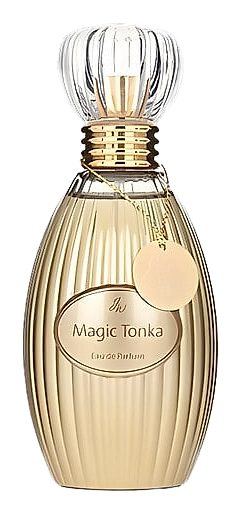
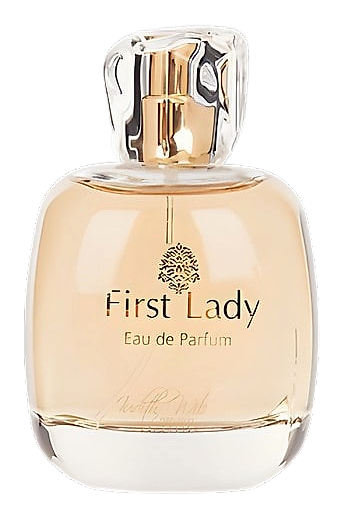
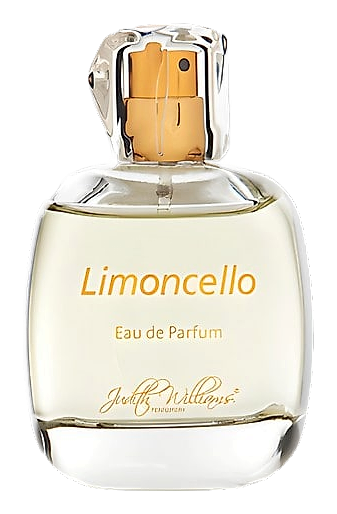
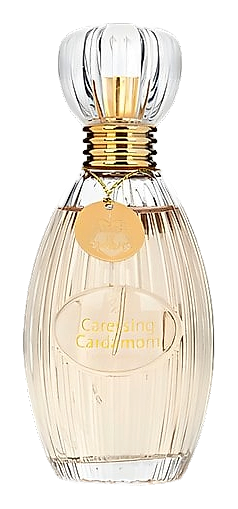
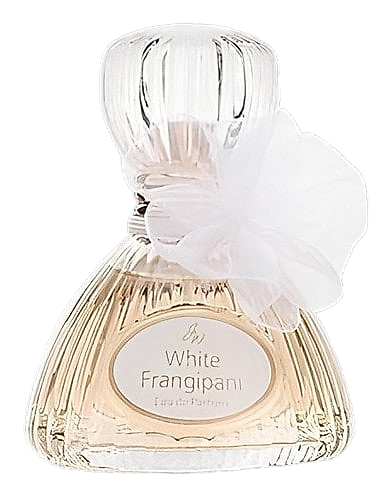
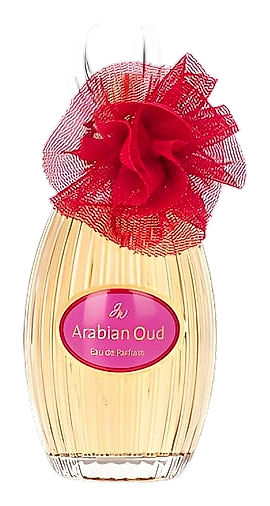
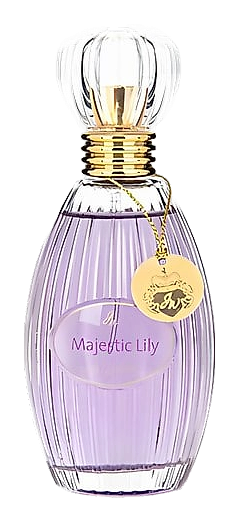
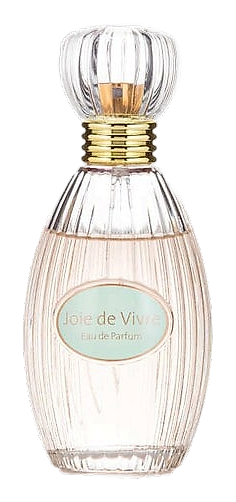
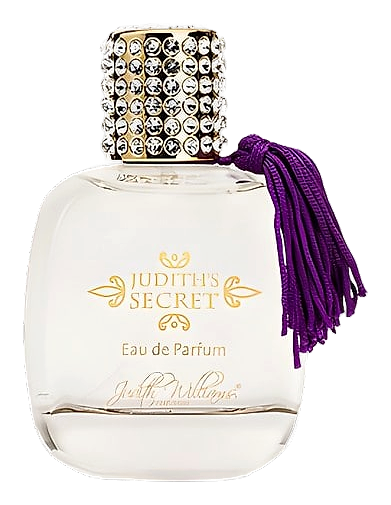
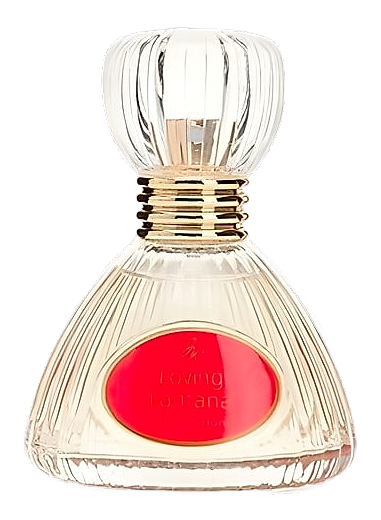
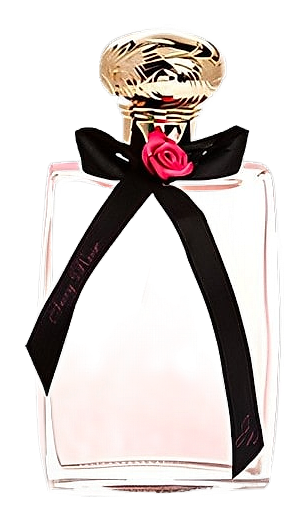
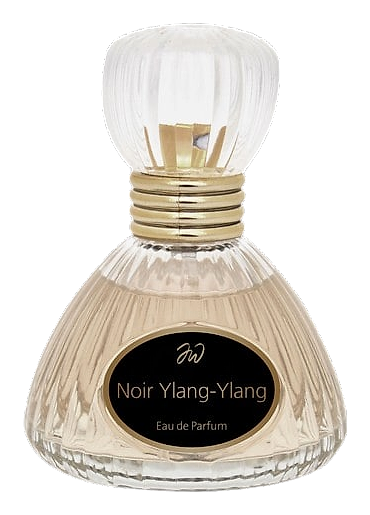
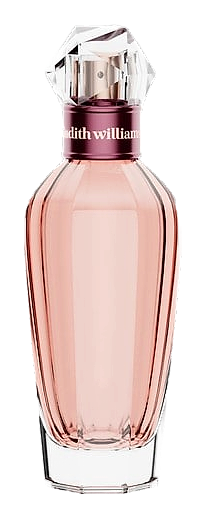
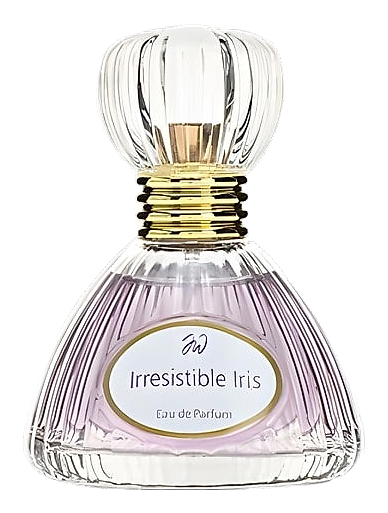
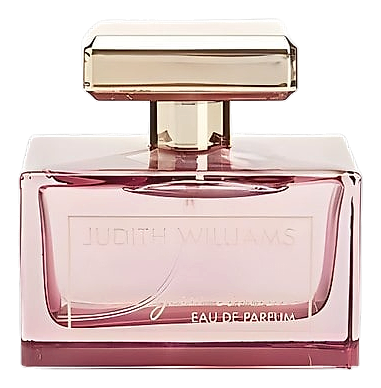
Judith WilliamsJudith Williams entered the fragrance market in 2006, extending a German beauty and skincare line that the television entrepreneur launched the same year. The brand now offers more than fifty distinct scents, ranging from the floral flirt of Sexy Rose to the gourmand sparkle of Strawberry Champagne. Its catalogue balances everyday wearability with occasional niche twists, such as Arabian Oud and Queen of the Night. The line targets consumers who appreciate recognizable notes without the complexity of haute‑perfume collections, delivering each bottle in a clean, recognisable package that bears the founder’s signature pink branding.
The Creator
Pierre BourdonBourdon's signature lies in clarity and restraint. He favors transparency in composition, building fragrances that breathe rather than overwhelm.