The Story
Why it exists.
The beginning
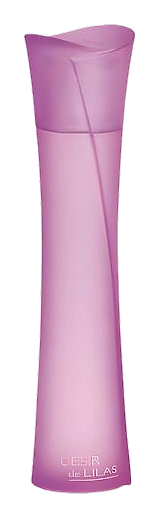
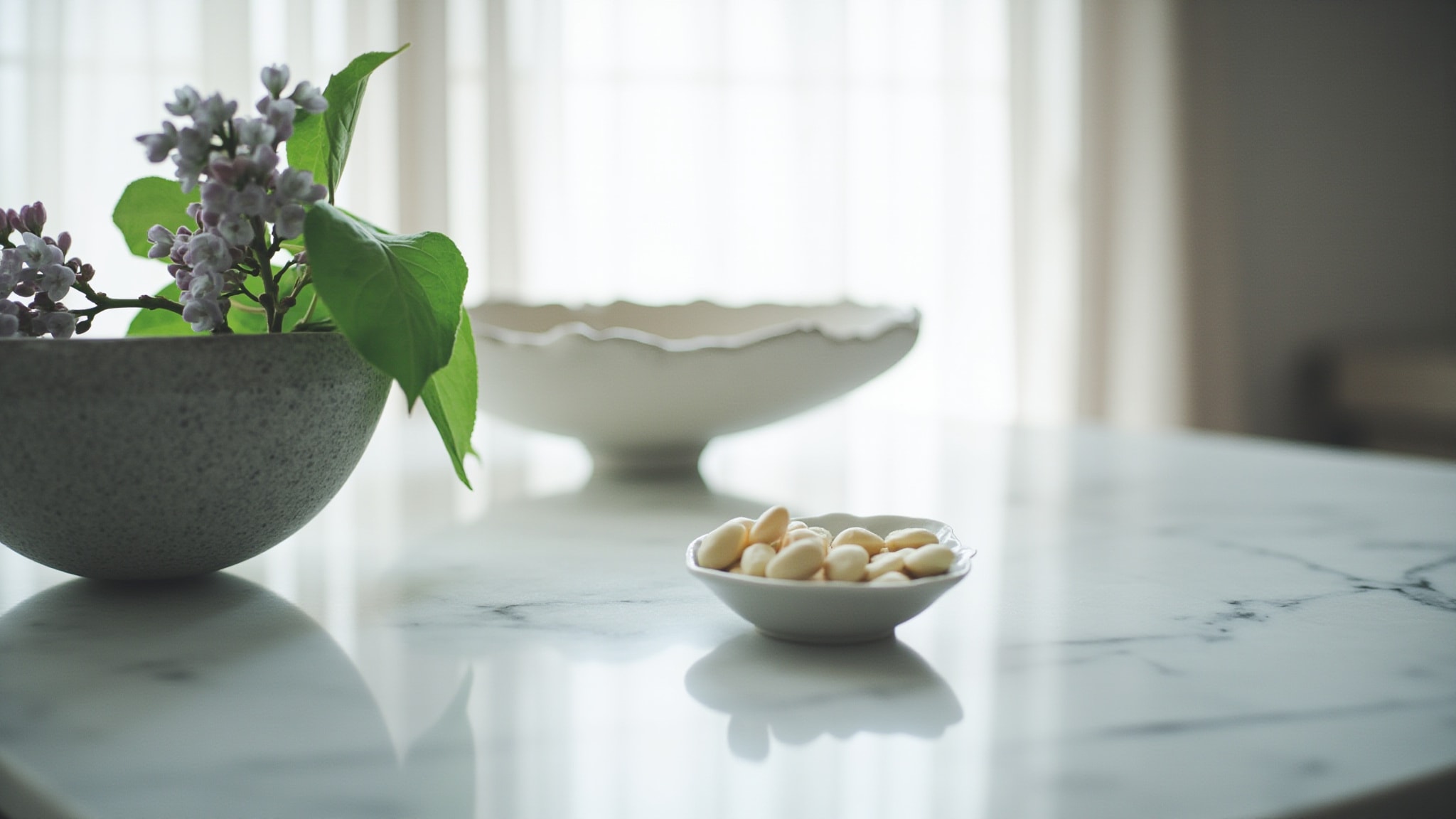
Pur Désir de Lilas arrived in 2002, part of Yves Rocher's Pur Désir line. Two notes, really. Lilac and almond. A floral and a soft, almost nutty warmth that turns the flower from a bouquet into a whisper. The opening is green and raw, the way a lilac bush smells in early morning, all chlorophyll and fresh stem. There's something almost cucumber-cool about the first few minutes, a crispness that reads more like walking through a garden in May than like any typical perfume. The almond arrives quietly underneath, warming the green into something softer without ever taking over. It never becomes gourmand, never tips into marzipan territory. It just rounds the edges, adds a skin-like warmth that makes the whole thing feel close and intimate. What's striking is how little it tries to do.
Lilac is one of perfumery's trickier flowers to capture. The living plant releases a sharp, green, almost indolic scent that doesn't translate cleanly into an essential oil. Most lilac fragrances are reconstructions, built molecule by molecule to approximate what the flower actually smells like in the air. Almond adds the second layer of interesting. Where lilac goes green and cool, almond goes warm and marzipan-soft. Together they create a push-pull tension: the flower stays awake while the base wraps it like fabric. That tension plays out across the entire wear.
The evolution
The first ten minutes are all lilac, green and sharp with that unmistakable indolic edge that real lilac flowers have. There's a coolness to it, almost like sniffing cold water with flowers dropped inside. No sweetness yet. Just the raw, slightly sharp impression of the flower as it grows. By the half-hour mark, the almond begins to rise from underneath. It's subtle. A warmth that wasn't there before, nutty and soft, like marzipan left on a counter. The lilac hasn't disappeared, but it's been cushioned. The two notes sit together for the next two to three hours, the flower staying present while the base rounds the edges. The drydown fades rather than shifts. No new notes arrive to take over. The lilac simply recedes, the almond lingers, and after three to four hours what's left is a faint, warm, slightly sweet trace on skin and clothing. On fabric, particularly scarves or cuffs, the almond tends to outlast the lilac, leaving a soft marzipan ghost that can carry into the next day.
Cultural impact
Pur Désir de Lilas carved out a small, devoted following in the early 2000s. The fragrance appealed to people who wanted lilac without complication, a straightforward floral that didn't try to be anything other than what it was. The discontinued run, which sources place around 2012, has only deepened that following. For those who wore it in their teens and twenties, the scent carries a particular charge, the smell of a specific season of life now inaccessible except through remaining bottles.