
The Story
Why it exists.
The beginning
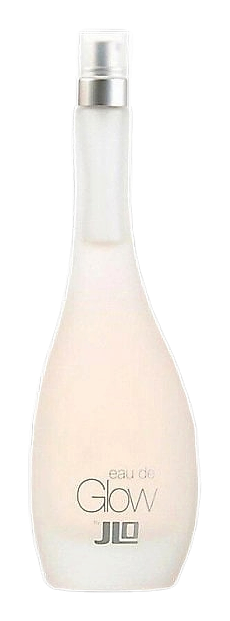
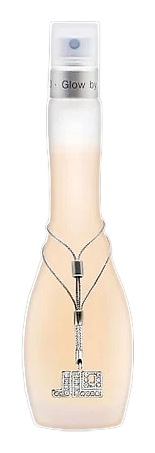
The brief was simple: create a fragrance that smells like you, not like perfume. Jennifer Lopez described it as a skin-scent, something she could wear from rehearsal to the red carpet without losing its character. She started thinking about it as early as 1998, but the idea didn't become Glow until she partnered with Coty Inc. and perfumer Louise Turner. Something people would notice without being overwhelmed. Glow launched in 2002 as the first fragrance from what would become a sprawling celebrity empire, and it arrived with a quiet confidence that most star-backed scents of that era completely missed. The concept was about presence rather than announcement, about a scent that felt personal and close rather than projecting outward.
What makes Glow's structure interesting is how the top notes do the work usually reserved for the base. Neroli and orange blossom aren't just an opening, they're the architecture. Those bright citrus oils give the fragrance its clean clarity without going sharp or synthetic. The white florals arrive next, tuberose joining jasmine and rose, but they stay modern and soft, never heavy. Then the drydown: musk, sandalwood, iris, vanilla, amber. That combination creates a warm quality. Not a perfume on you. A scent that feels close.
The evolution
The opening hits bright and clean, neroli, orange blossom, a whisper of pink grapefruit. For the first part of the wear, it reads clean and fresh. Then the florals arrive and soften everything, adding warmth without weight. The sandalwood comes in, adding body to the composition. The amber lingers throughout the wear, present but never announcing itself. As the fragrance develops, the drydown takes over: musk and vanilla, close and warm, the kind of smell that feels intimate rather than projected. The composition evolves from crisp opening through soft florals into a warm base that stays close to the skin.
Cultural impact
Glow arrived in 2002 as part of the first wave of celebrity fragrances, but it did something different. Many star-backed scents of the era relied on bold projection and heavy florals to announce themselves across the room. Glow stayed quiet. The skin-close quality was the point, and it worked. Wearers describe it as the scent of someone who walks into a room and doesn't need to announce themselves. The fragrance broke numerous sales records upon release, demonstrating that a subtle approach could resonate as powerfully as more aggressive offerings.