
The Story
Why it exists.
The beginning
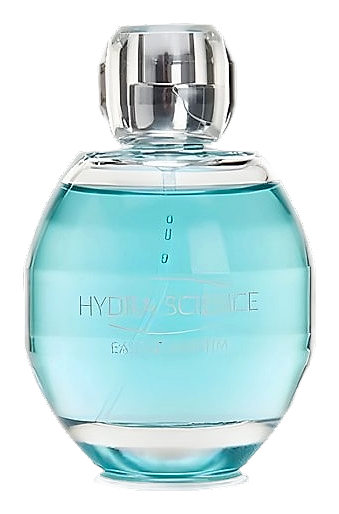
Hydra Science, a fragrance by Judith Williams, is built around a floral aquatic composition. Carnation and reseda form the opening, followed by aquatic notes, cyclamen, honeysuckle, Moroccan rose, and tuberose at the heart. Musk and white cedarwood complete the structure. Together, the listed notes create a composition that moves between water and flowers, with a clear floral center and a restrained base. The name Hydra Science suggests moisture and freshness, while the combination of aquatic and floral materials gives that impression a more expressive shape. The result is a fragrance defined by the contrast between its watery elements, layered florals, and woody finish.
The composition is interesting because of the exchange between its aquatic materials and its floral notes. Carnation and reseda establish the first impression, while the heart introduces cyclamen, honeysuckle, Moroccan rose, and tuberose around the aquatic accord. The rose and tuberose give the floral heart greater presence, while the other floral notes add variation to the arrangement. Musk and white cedarwood provide the listed foundation for the composition. Its structure balances moisture, flowers, musk, and wood, making the overall impression feel both fresh and composed.
The evolution
Hydra Science develops through carnation and reseda before reaching its aquatic and floral center. Cyclamen, honeysuckle, Moroccan rose, and tuberose add several distinct floral dimensions to the composition, with rose and tuberose giving the heart a richer floral register. As the fragrance moves through its listed progression, the flowers share the stage with aquatic notes, creating a balance between water and petals. Musk enters the composition as the floral heart gives way to the base, and white cedarwood provides the final listed note. The overall structure moves from a fresh opening into a layered floral phase, then toward a musky, woody conclusion. Its changing character comes from the arrangement of these notes rather than from any single dominant scent.
Cultural impact
Hydra Science belongs to the floral aquatic fragrance category, combining aquatic notes with carnation, reseda, cyclamen, honeysuckle, Moroccan rose, and tuberose. Musk and white cedarwood give the composition a base that keeps the floral materials from standing alone. Its cultural appeal can be understood through this balance of freshness and floral richness, with a clear connection between water-inspired imagery and recognizable floral ingredients. The fragrance reflects a familiar fragrance format while offering several layers for exploration: a fresh opening, a varied heart, and a composed finish.