
The Story
Why it exists.
The beginning
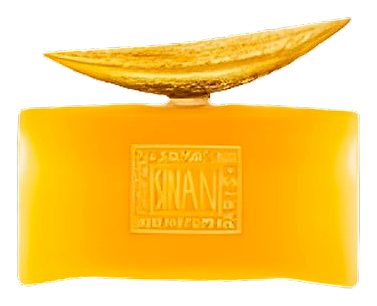
Jean-Marc Sinan launched Sinan in 1984 as an EDP concentration that drew immediate attention. The perfume line became one of the most enduring parts of that venture, outlasting many of the other commercial interests that shared the same era. The 1984 release was structured as a chypre with oriental undertones, a combination that gave the fragrance both classical roots and something distinctly contemporary. The composition is layered enough to shift over hours on the same skin, revealing new dimensions as the top notes fade and the deeper elements come forward. Citrus and aldehydic brightness opens the encounter, crisp and sparkling, before giving way to a floral heart that carries spice and green accents.
The chypre-oriental structure places Sinan firmly in French perfumery's most storied family while stretching into warmer territory. Bergamot opens against a backdrop of aldehydes, bright, sparkling, almost fizzy. The top layer includes Brazilian rosewood, lending a warm, slightly sweet woodiness that softens the citrus, and coriander, which adds a subtle spiced quality that hints at what follows. Then the heart takes over. Carnation dominates the mid-section, a note that can veer into aggressive territory, but here it's held in check by rose, jasmine, and ylang-ylang. The result is a rose-carnation pairing with an edge, floral yet unapologetically dense.
The evolution
The aldehydes announce themselves immediately, a sparkling, almost champagne-like brightness that fills space before retreating. Bergamot and coriander keep the top layer bright and citrusy for the first hour. Then the hand-off happens. The heart doesn't wait politely, it surges. Rose and carnation arrive together, the carnation's clove-like spice cutting through the floral sweetness with an almost aggressive edge. Geranium adds a green-bitter counterpoint. The ylang-ylang tries to soften things; jasmine gives it warmth. This is the densest part of the arc, layered and assertive. By hour three, the base takes over and the composition becomes something different. The oakmoss asserts its green, earthy authority. Patchouli goes warm and woody. Incense threads through, resinous, smoky. Vetiver grounds it.
Cultural impact
Sinan arrived during a period of significant expansion in the fashion and lifestyle sectors, and the brand's approach reflected a willingness to push beyond conventional boundaries. The house worked within established perfumery traditions, particularly the chypre family, while incorporating oriental elements that gave Sinan its distinctive character. The aldehydes and carnation pairing create a dense, assertive combination that sits firmly in the chypre tradition, a fragrance style that demands attention rather than whispers.