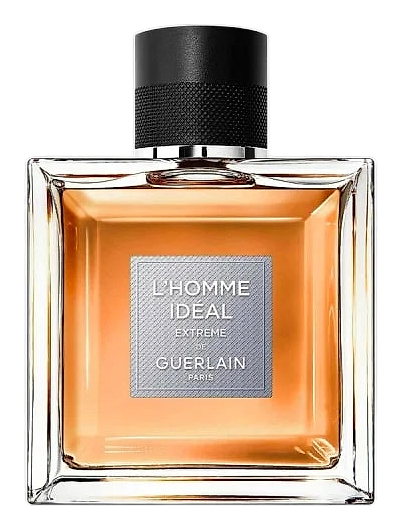
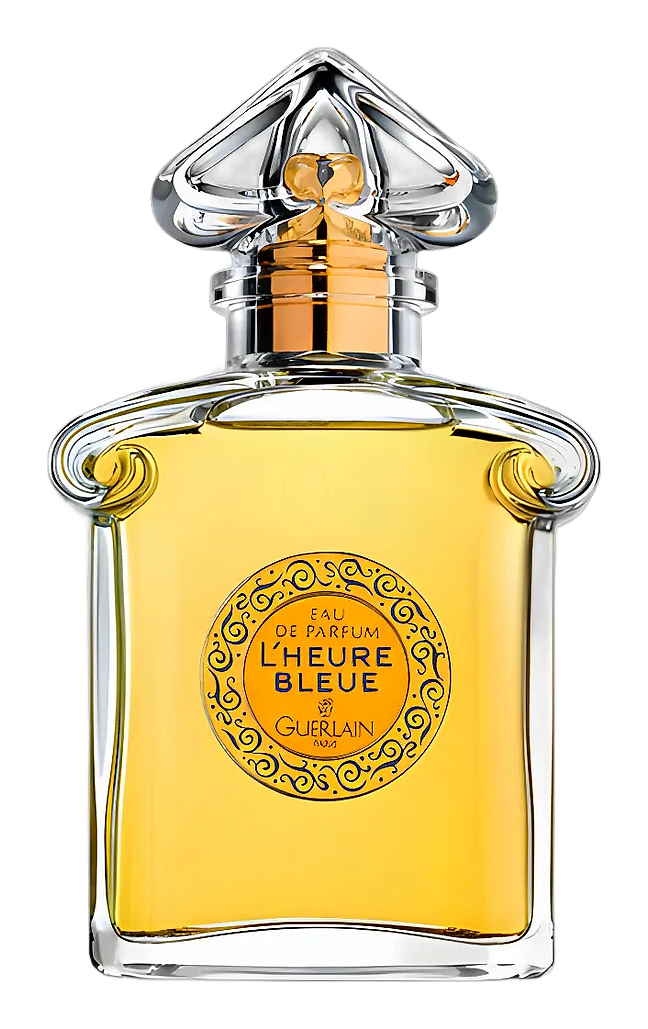
The Story
Why it exists.
The beginning
The fragrance puts vetiver front and center, not as a supporting note or a base material to ground something louder, but as the reason to wear the fragrance itself. The citrus top provides an initial burst of freshness. The vetiver emerges as the core of the composition, remaining when that initial freshness fades. This approach places vetiver at the heart of the scent rather than relegating it to a supporting role, allowing the note to speak for itself throughout the wear.
The top notes, lime, bergamot, orange, provide an immediate citrus brightness that opens the composition. The heart introduces floral notes through neroli alongside nutmeg and black pepper, creating a layered middle section. The vetiver base arrives as the defining element, anchoring the fragrance with its characteristic earthy depth. The note pyramid moves from citrus brightness through a floral-spiced heart to a vetiver foundation, each stage building on what came before.
The evolution
The opening presents three citruses, lime, bergamot, orange, each contributing its own quality to the initial impression. The neroli softens the sharpness as the heart develops, while nutmeg and black pepper add warmth beneath the surface. The citrus gradually recedes, allowing the vetiver to take center stage. The vetiver doesn't simply replace the brightness but transforms it, bringing mineral and earthy qualities that reshape the overall character. Tonka bean arrives last, adding a subtle sweetness that keeps the vetiver from reading too harsh. The progression moves from bright citrus through a warm, spiced heart to a grounded vetiver base, creating a cohesive scent journey.
Cultural impact
Vetiver Frozen Fragrance occupies a specific corner of the Guerlain catalog: woody aromatic and male-targeted. The cold opening followed by a warm vetiver drydown is a note that comes up in reviews. Since its debut, it continues to be described with this progression from bright citrus to warm vetiver. That kind of consistent feedback suggests the composition resonates with those who wear it.
The House
GuerlainGuerlain stands as one of the oldest and most revered perfume houses in the world, founded in Paris in 1828 by Pierre-François-Pascal Guerlain. What began as a boutique on rue de Rivoli quickly became the preferred destination for Parisian society, attracting dandies and elegant women who sought custom-crafted fragrances. The house's influence grew to such heights that Guerlain earned the title of Official Perfumer to Napoleon III after presenting Eau de Cologne Impériale to Empress Eugénie as a wedding gift in 1853. This royal patronage marked the beginning of Guerlain's enduring association with European aristocracy, as the house went on to create fragrances for Queen Victoria and Queen Isabella II of Spain. Today, under the creative direction of Thierry Wasser, the fifth-generation perfumer, Guerlain continues to shape the landscape of fine fragrance with a portfolio spanning over 1,100 olfactory creations. The house remains headquartered at its legendary Champs-Élysées mansion, a historic monument that anchors Guerlain's position at the intersection of heritage and contemporary luxury.
The Creator
Jean-Paul GuerlainJean-Paul Guerlain's style resists easy categorization, though richness and depth define nearly every composition. He favored opulent oriental structures, warm woods and resins, and florals treated with almost sculptural precision.